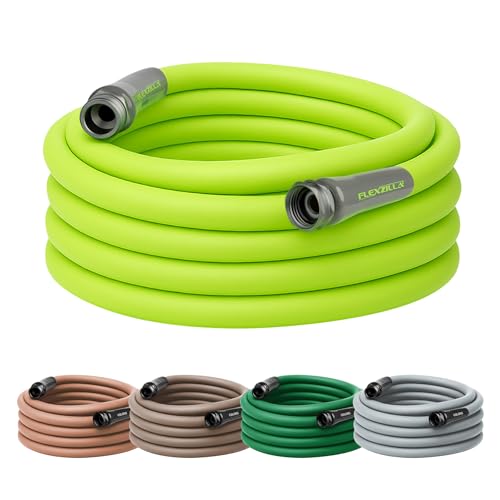
Compare best garden hose for an rv: drinking-water safe using published specifications, manuals and owner feedback. See research-based findings, key trade-offs.
An RV fresh water hose has a job an ordinary garden hose does not: the water goes into your tank and often to your tap. That means drinking-water safe is not optional, it is the whole point. On top of that, storage space in an RV is tight, so a compact, easy-to-pack hose matters. This guide covers both needs and points to hoses that fit. For the wider lineup, see our best garden hoses guide.
What matters for an RV fresh water hose
- Drinking-water safe and lead-free. This is the non negotiable requirement. Look for a hose the manufacturer clearly rates for potable water and free of lead. Many dedicated RV hoses are white or blue to distinguish them from a regular garden hose, but color alone is not proof, so check the label. Our garden hose materials guide explains which constructions come in drinking-water-safe versions.
- Compact and light. Storage bays are small. A shorter length, a lighter construction or an expandable hose that shrinks down all help it pack away. Match the length to how far you usually sit from a spigot rather than buying the longest option.
- Taste and standing water. Water that sits in a hose can pick up a plastic taste, especially in heat. A potable-rated hose reduces this, and flushing the hose before filling your tank helps further.
- Fittings and pressure. Campground pressure varies, so many RV owners add a pressure regulator to protect the plumbing. Solid fittings and a good washer prevent leaks in the bay. Our water pressure guide explains why regulating pressure matters.
Research-based picks for RV use
These reviewed hoses are offered in lead-free, drinking-water-safe form and pack reasonably for travel. The notes reflect published specifications and manufacturer safety claims, not lab research by us. Confirm the current specification on the listing before you buy, and keep this hose dedicated to fresh water only.
- Eley polyurethane hose. A polyurethane hose sold as lead-free and drinking-water safe, which is exactly the rating you want for filling a fresh water tank. Choose a length that suits your usual pitch to spigot distance rather than the longest option.
- Zero-G lightweight hose. Its lightweight, flexible construction packs down more easily than heavy rubber, which suits tight RV storage. Confirm the drinking-water-safe rating on the current listing and keep it reserved for fresh water.
If packed size is your biggest constraint, an expandable style such as TheFitLife stores very small, though you should verify its potable rating before using it for drinking water and drain it fully before storing.
Buying tips
Keep a fresh water hose separate. Use a dedicated potable hose for filling the tank and never use it for the sewer rinse or other dirty jobs. Color coding or labeling avoids mix ups.
Add a pressure regulator. Campground pressure can spike, and a regulator protects your RV plumbing. It is a small, worthwhile addition to any fresh water setup.
Flush before filling. Run the hose for a few seconds before connecting to your tank so standing water and any plastic taste clear first.
Right size the length. A shorter hose stores easier and is lighter to handle. Carry only as much length as your typical spot needs, and add a short extension if you occasionally park farther away.
Dry and store clean. Drain the hose, cap the ends if you can, and store it away from the sewer gear to keep it sanitary for next time.
Sanitize between trips. Fresh water gear can develop a stale smell if it sits wet. Drain the hose fully after each trip, and if it has been stored a while, flush it well before your next fill. An inline fresh water filter at the connection can improve taste at campgrounds with heavy chlorine.
Plan for cold weather. If you camp when temperatures drop, drain the hose completely so no water is left to freeze inside it, which can damage the hose and fittings. Storing it indoors between cold trips helps it last.
FAQ
Can I use a regular garden hose for RV drinking water? It is not recommended unless it is specifically rated drinking-water safe and lead-free. Standard garden hoses are often not certified for potable water.
Why are RV fresh water hoses often white or blue? The color helps distinguish a potable hose from a regular garden hose so they do not get mixed up. Still check the label, since color alone does not guarantee a drinking-water rating.
How do I stop an RV hose from tasting like plastic? Use a potable-rated hose, flush it before filling, and store it out of direct heat. A fresh water filter at the connection can help further.
Do I need a pressure regulator with my RV hose? It is a good idea. Campground pressure varies and can be high, and a regulator protects your RV plumbing.
To compare full options, start with the best garden hoses guide.
How we research
We compare published manufacturer specifications, official manuals, warranty information and recurring owner feedback. Rankings are research-based unless original YardToolLab test evidence is explicitly shown on the page.