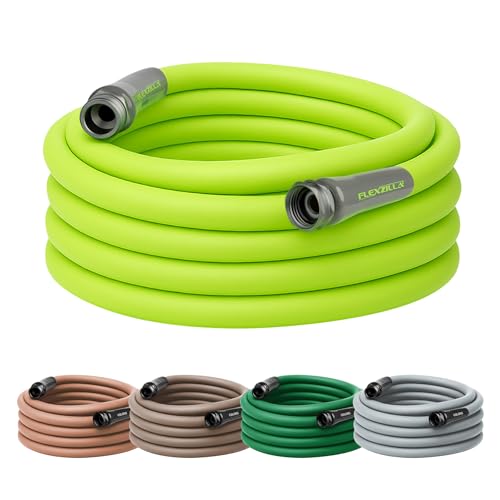
Compare hot water garden hose for 2026 using specs, manuals, warranties and owner feedback. See our research-based picks, key trade-offs and buying advice.
Most garden hoses on the shelf are designed for cold water. Run hot water through a cheap vinyl hose and the plastic softens, the fittings loosen, and the hose can leach more of whatever is in it into the water. If you need hot water at the tap, for cleaning equipment, washing at an RV or marine hookup, or feeding a hot-water source, you need a hose built and rated for higher temperatures. The material and the manufacturer’s stated temperature range are what separate a true hot water hose from a standard one.
What matters in a hot water garden hose
The single most important thing is a manufacturer temperature rating that covers the heat you will actually run. Beyond that, material is the deciding factor:
- Rubber: the traditional hot water choice. Rubber tolerates heat far better than vinyl and is common in wash-down and utility hoses.
- Hybrid polymer: quality hybrid hoses carry a wide advertised temperature range that reaches well into the heat as well as the cold.
- Polyurethane: tough, lightweight, and often rated for a broad temperature span while staying flexible.
- Vinyl: avoid for hot water. It is rated for cold use and softens with heat.
Also check the fittings. Metal couplings handle heat and stay sealed better than plastic ones, which can distort. And if the water may be used for drinking or on food crops, insist on a hose that is explicitly labeled lead-free and drinking-water safe, because heat can accelerate leaching from a hose that is not.
It is worth being clear about what hot water means for a garden hose, because it is easy to overreach. A typical household hot tap runs far below boiling, and most hot-water tasks around a home or worksite fall well within reach of a rubber, hybrid, or polyurethane hose that carries a proper temperature rating. What no garden hose is designed for is boiling or steam. The safe approach is to read the manufacturer’s stated maximum temperature and stay under it, rather than assume a heavy-looking hose can take anything. Matching the hose to a known temperature figure is what keeps the fittings tight and the water clean over time.
Research-based picks
From our published reviews, these hoses use heat-tolerant materials and carry manufacturer temperature ranges that extend above ordinary cold-water hoses.
- Flexzilla 5/8 in x 50 ft: its hybrid polymer construction is advertised with an all-weather temperature range that spans heat as well as deep cold, and the anodized aluminum fittings hold a clean seal. It is also listed as drinking-water safe, which matters if the warm water may contact food or people.
- Eley Polyurethane 5/8 in x 100 ft: industrial polyurethane that is tough, lead-free, and drinking-water safe, with a wide working temperature range and a high burst rating. A strong choice when you want length plus heat tolerance in one hose.
- Flexzilla Heavy-Duty 5/8 in x 75 ft: the same heat-friendly hybrid material in a reinforced jacket, useful for hotter wash-down duty where the hose takes abuse.
Buying tips
Check the manufacturer’s maximum temperature rating and confirm it covers your hottest water. Do not assume a garden hose can take boiling water. Household hot taps are typically far below boiling, but even then a cold-only vinyl hose is the wrong tool. Choose rubber, hybrid, or polyurethane with a clear temperature spec, and pair it with metal fittings. Never leave a hose pressurized with hot water in the sun for long periods, since heat plus UV ages any hose faster. And if the water is for drinking or the vegetable garden, verify the hose is labeled lead-free and drinking-water safe before you rely on it.
FAQ
Can I run hot water through a normal garden hose?
A standard cold-rated vinyl hose is not built for it. Hot water softens the plastic, can loosen fittings, and may increase leaching. Use a hose with a stated high-temperature rating instead.
What material handles hot water best?
Rubber has long been the hot water standard, with quality hybrid polymer and polyurethane hoses also rated for elevated temperatures. See our garden hose materials guide for the full comparison.
Is a hot water hose safe for drinking water?
Only if it is separately labeled lead-free and drinking-water safe. Heat tolerance and drinking-water safety are two different ratings, so look for both.
How hot is too hot?
Stay within the manufacturer’s printed maximum temperature. Boiling water exceeds what garden hoses are designed for, so never assume a hose can handle it.
Why does hot water damage a cheap hose?
Heat softens the plastic in vinyl hoses, which can distort the walls, loosen fittings, and increase how much material leaches into the water. A hose with a proper temperature rating uses materials that resist that softening.
Compare builds in our garden hose materials guide, size it correctly with the garden hose sizes guide, then browse every category in the best garden hoses guide.
How we research
We compare published manufacturer specifications, official manuals, warranty information and recurring owner feedback. Rankings are research-based unless original YardToolLab test evidence is explicitly shown on the page.