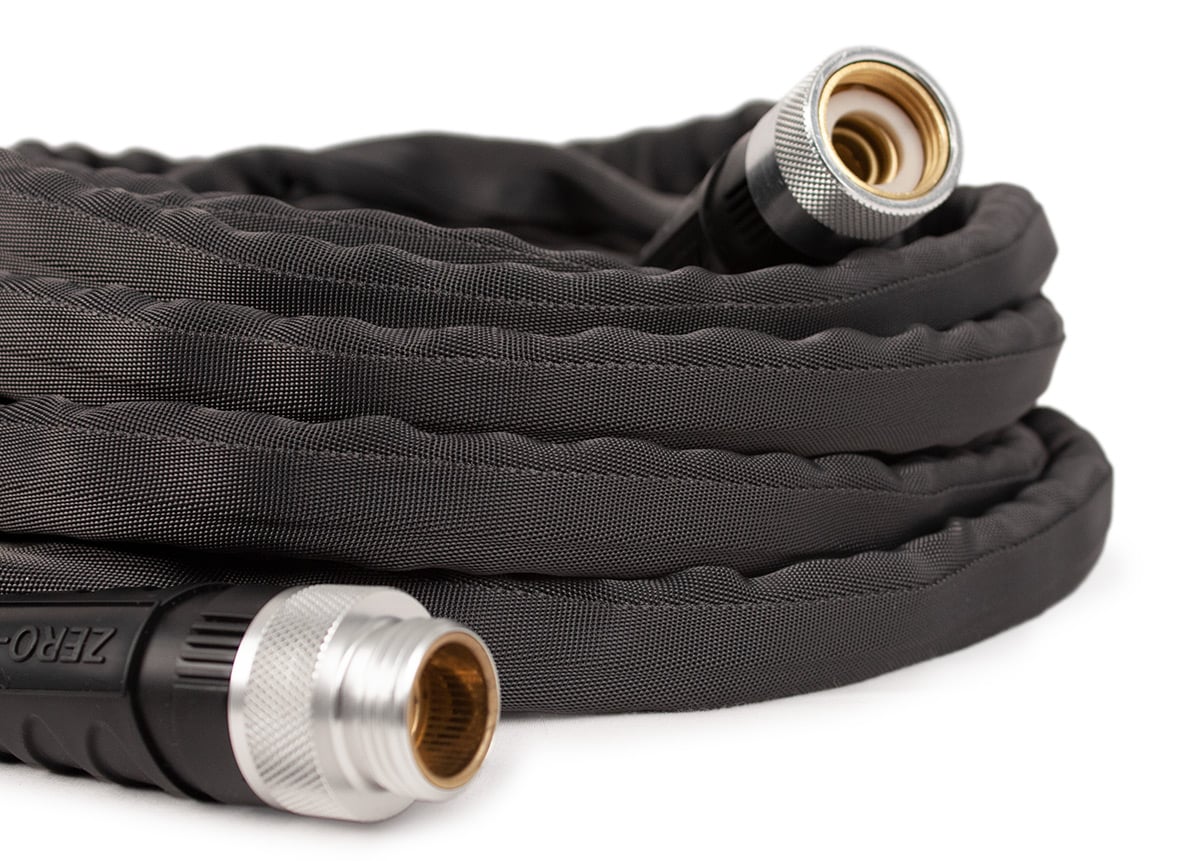
Compare best garden hose for a vegetable garden using published specifications, manuals and owner feedback. See research-based findings, key trade-offs.
When the water touches food you plan to eat, the hose becomes part of the growing system. Many ordinary garden hoses are not made or certified for drinking water, which is why gardeners watering vegetables, herbs and fruit look for hoses labeled lead-free and drinking-water safe. This guide explains what those labels mean and points to hoses built for the job. For the full lineup, see our best garden hoses guide.
What matters for a vegetable garden hose
- Lead-free and drinking-water safe. The key claim to look for is that the hose is made from materials rated safe for potable water and free of lead in the fittings. Manufacturers state this on the packaging and product page. If a hose does not clearly say it, treat it as a general purpose hose, not a food-safe one.
- Material. Hose material affects what can leach into standing water and how the hose ages. Polyurethane and certain hybrid polymer hoses are commonly chosen for edible gardens because they are offered in drinking-water-safe versions. Our garden hose materials guide compares constructions.
- Warm weather standing water. Water sitting in any hose in the sun gets hot and picks up more from the hose walls. Regardless of hose type, let the hose run for a few seconds before watering edibles so the hot, standing water clears first.
- Reach and gentle flow. Rows and raised beds benefit from enough length to reach every bed and a nozzle that delivers a soft flow so you do not wash out soil or seedlings.
- Drip and soaker compatibility. Many edible gardens run a soaker hose or drip line off the main hose. A drinking-water-safe supply hose feeding those systems keeps the whole watering path suitable for food crops, and a wider main hose helps deliver enough flow to run several emitters at once.
Research-based picks for edible gardens
These reviewed hoses are offered in lead-free, drinking-water-safe form, which is what you want around food crops. The notes reflect published specifications and manufacturer safety claims rather than lab research by us. Always confirm the current specification on the product listing before buying.
- Eley polyurethane 5/8 in x 100 ft. A polyurethane hose sold as lead-free and drinking-water safe, which makes it a natural fit for vegetable beds. The 100 foot length also suits larger plots and long rows.
- Flexzilla 5/8 in x 50 ft. A hybrid polymer hose marketed as drinking-water safe and lead-free, with a flexible, kink-resistant build that is easy to move between beds. The 5/8 inch diameter gives good flow for filling cans and running soaker attachments.
Whichever you choose, pair it with a lead-free rated nozzle or wand if you want the whole watering path to keep the same safety standard.
Buying tips
Read the label, not just the color. Green or garden branding does not mean food-safe. Look for explicit lead-free and drinking-water-safe wording from the manufacturer.
Flush before you water edibles. Let the hose run briefly so any hot, standing water clears before it reaches your crops. This is good practice with any hose.
Store it out of the sun. Heat and UV age hoses faster and keep the standing water hotter. A shaded reel or a spot in the shed helps the hose last and keeps the first flush cooler.
Match length to your beds. Measure from the tap to your farthest row and add a little slack. The garden hose sizes guide helps you pick a length without over buying.
Consider the fittings and accessories too. A drinking-water-safe hose paired with a general purpose splitter or timer is a reasonable setup, but if you want full peace of mind, choose lead-free rated accessories throughout.
Look for a stated standard, not just marketing. The strongest signal is a manufacturer that names the safety standard its hose meets for potable water rather than a vague safe wording. If the listing is unclear, contact the seller or pick a hose that states its rating plainly.
FAQ
Are regular garden hoses safe for watering vegetables? Many are not certified for drinking water. For edibles, choose a hose the manufacturer states is lead-free and drinking-water safe, and flush out standing water before watering.
What does drinking-water safe mean on a hose? It means the manufacturer rates the hose materials and fittings as suitable for potable water, including being free of lead. Look for that explicit claim on the listing.
Why should I flush the hose before watering edibles? Water that sits in a hose, especially in the sun, gets hot and picks up more from the hose walls. Running it for a few seconds first clears that standing water.
Which material is best for a vegetable garden hose? Polyurethane and drinking-water-safe hybrid polymer hoses are common choices because they are offered in lead-free, potable-rated versions. Compare them in the materials guide.
To compare full options, start with the best garden hoses guide.
How we research
We compare published manufacturer specifications, official manuals, warranty information and recurring owner feedback. Rankings are research-based unless original YardToolLab test evidence is explicitly shown on the page.