Quick verdict
The DCF860 is the better impact driver and the DCF887 is the better deal when discounted. For a deck build with lags and composite screws, the newer precision mode and torque are worth a modest premium; for hardware and repairs the DCF887 at a discount is the smart buy.

DeWalt DCF860 20V MAX XR Impact Driver
The DCF860 is the newer XR impact driver with a brushless motor, three modes, precision drive and more torque than the DCF887 in a slightly shorter body. It is the DeWalt impact to buy new for deck and fence work.
DeWalt DCF860 versus DeWalt DCF887: the new XR impact driver against the long-running favorite, compared on torque, precision drive, size and price for deck and fence work.
The picks at a glance
| Tool | Best for | Score /100 | |
|---|---|---|---|
| DeWalt DCF860 20V MAX XR Impact Driver | Best Current DeWalt Impact Driver | 9.0 | Check price |
| DeWalt DCF887 20V MAX XR Impact Driver | Best Value XR Impact Driver | 8.7 | Check price |
The picks, reviewed
DeWalt DCF860 20V MAX XR Impact Driver
The DCF860 is the newer XR impact driver with a brushless motor, three modes, precision drive and more torque than the DCF887 in a slightly shorter body. It is the DeWalt impact to buy new for deck and fence work.
Reasons to buy
- More torque and a precision mode
- Shorter body than the DCF887
- Current model with the longer future
- Same 20V MAX batteries
Reasons to avoid
- Costs more while the DCF887 is discounted
- Gains are modest on short screws
- Newer, shorter track record
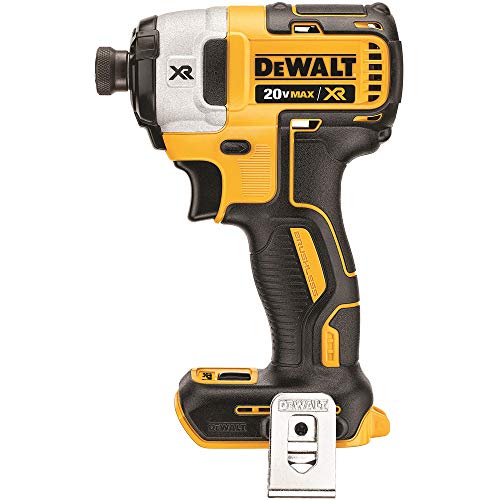
DeWalt DCF887 20V MAX XR Impact Driver
The DCF887 is the XR impact driver that sold for years: brushless, three speeds, 1,825 inch-pounds of torque per DeWalt, a quarter-inch hex chuck and three LEDs. It is often discounted and remains a strong, reliable driver for decks, lags and hardware.
Reasons to buy
- Proven over years on job sites
- Often substantially cheaper
- Three speeds and strong torque
- Three LEDs light the fastener
Reasons to avoid
- Longer than the DCF860
- No precision drive
- Older design
Where these two differ
The DCF887 was the XR impact driver on every DeWalt deck for the better part of a decade. The DCF860 replaces it with more torque, a precision drive mode and a shorter body. The old tool is still sold, often at a discount, and still excellent. The question is whether the upgrade is worth the price difference on the day.
This comparison is based on the published specifications and manuals for both tools and on recurring owner feedback. We have not run either driver ourselves.
| Specification | DCF860 | DCF887 |
|---|---|---|
| Generation | Current XR | Previous XR |
| Torque | Higher per DeWalt | 1,825 in-lbs per DeWalt |
| Modes | 3 plus precision drive | 3 speeds |
| Length | Shorter | Longer |
| LEDs | Ring style | 3 around the chuck |
| Price | Higher | Often discounted |
Torque and speed
Both sink 3 inch deck screws without effort and both drive structural lags. The DCF860 does the lags a little faster and has more in reserve for a long ledger bolt. On fence hardware and short screws there is nothing between them.
Precision drive
This is the practical upgrade. Composite decking and cedar are easy to overdrive and a quarter-inch hex screw is easy to strip on the first turn. The DCF860 precision mode starts slowly and ramps, so heads seat flush and bits stay in the screw. The DCF887 lowest speed does a similar job with more attention from the trigger finger.
Size and light
The DCF860 is shorter, which helps between joists and inside brackets. The DCF887 three LEDs around the chuck light a fastener from three sides with no shadow, which owners of the older tool still praise.
Yard jobs this decides
A composite deck favors the DCF860 for its precision mode. A cedar fence with hardware and a shed with lags are a draw. Repairs around the yard are a draw. The price on the day decides more than the job.
Batteries and runtime
Both run every 20V MAX pack and both are efficient brushless motors. A mid-size pack lasts a deck on either.
Bits and accessories
Both take standard quarter-inch hex bits and both hold a bit holder on the belt clip side. Impact-rated bits last longer in either; a torsion-zone bit stops the first turn of a deck screw from camming out, which matters more on the DCF887 without precision drive. Long screws want a magnetic sleeve on both tools.
Common owner complaints
DCF860 owners mention a tight bit holder when new. DCF887 owners mention the length and the lack of a slow-start mode. Both are reliable tools with long records, the DCF887 especially.
Which one should you buy
Buy the DCF860 if the prices are close or the deck is composite. Buy the DCF887 if it is substantially discounted and the work is hardware and timber. Neither is a mistake.
Our verdict
The DCF860 is the better impact driver and takes this comparison at similar prices. The DCF887 at a discount is one of the best value tools DeWalt sells.
How we research
This comparison is built from the published specifications, manuals and warranty terms of both products and from recurring owner feedback. We have not run either product ourselves; where the makers do not publish a figure we say so rather than guess.
What to look for
Price gap
If the DCF887 is well discounted, it is the value pick. At similar prices, the DCF860.
Composite decking
Precision drive on the DCF860 prevents overdriving in composite and cedar.
Lags
Both sink structural lags; the DCF860 a little faster.
Length
The DCF860 fits tighter spaces by a small margin.
Our verdict
The DCF860 is the better impact driver and the DCF887 is the better deal when discounted. For a deck build with lags and composite screws, the newer precision mode and torque are worth a modest premium; for hardware and repairs the DCF887 at a discount is the smart buy.
FAQs
DeWalt rates it above the DCF887 and owners report faster lag driving. The difference on short screws is negligible.
Yes, especially at a discount. It drove decks for years and remains reliable.
It starts slowly so small screws do not strip and long screws do not overdrive in soft wood.
Yes, quarter-inch hex bits and any 20V MAX pack.
Related guides

DeWalt DCF887 vs Makita XDT19Z: Discounted XR Torque Against Discounted Four-Speed Control

Milwaukee 2953-20 vs Milwaukee 2853-20: What Gen 4 Changes Over Gen 3
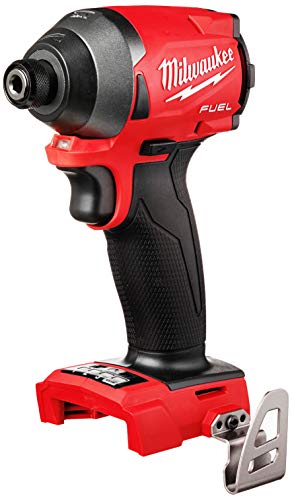
DeWalt DCF887 vs Milwaukee 2853-20: Two Discounted Flagships From the Last Generation
DeWalt DCF850 vs Makita XDT19Z: ATOMIC Compact Against the Four-Speed LXT
DeWalt DCF850 vs Milwaukee 2853-20: ATOMIC Compact Against the Discounted M18 FUEL
DeWalt DCF860 vs Makita XDT19Z: XR Precision Drive Against Four-Speed Quick-Shift
DeWalt DCF860 vs Milwaukee 2853-20: New XR Impact Against the Discounted M18 FUEL Gen 3
