Quick verdict
Gen 4 is Gen 3 with a better grip, a better bit holder and smoother low modes. The specs are identical. Buy the 2853 if it is well discounted; buy the 2953 if the prices are close or the current model matters. No deck will know the difference.

Milwaukee 2953-20 M18 FUEL Impact Driver
The 2953-20 is the Gen 4 M18 FUEL impact driver: 2,000 inch-pounds, 3,600 RPM, four modes including self-tapping, a 4.6 inch body and a tri-LED ring, with a refined grip, an improved bit holder and smoother low modes over Gen 3.
Milwaukee 2953-20 Gen 4 versus Milwaukee 2853-20 Gen 3 M18 FUEL impact drivers: identical torque and body, with refinements to grip, bit holder and low modes compared from published specifications.
The picks at a glance
| Tool | Best for | Score /100 | |
|---|---|---|---|
| Milwaukee 2953-20 M18 FUEL Impact Driver | Best Current M18 Impact | 9.2 | Check price |
| Milwaukee 2853-20 M18 FUEL Impact Driver | Best Value M18 Impact | 8.9 | Check price |
The picks, reviewed
Milwaukee 2953-20 M18 FUEL Impact Driver
The 2953-20 is the Gen 4 M18 FUEL impact driver: 2,000 inch-pounds, 3,600 RPM, four modes including self-tapping, a 4.6 inch body and a tri-LED ring, with a refined grip, an improved bit holder and smoother low modes over Gen 3.
Reasons to buy
- Refined grip and bit holder
- Smoother low modes
- Current model with longer future
- Same torque and body
Reasons to avoid
- Full price
- Gains are small
- Same weight
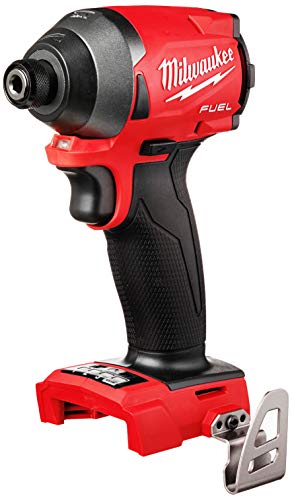
Milwaukee 2853-20 M18 FUEL Impact Driver
The 2853-20 is the Gen 3 M18 FUEL impact driver with the same 2,000 inch-pounds, 3,600 RPM, four modes and 4.6 inch body. It is the same tool in use for nearly everything and sells at a discount as Gen 4 takes over.
Reasons to buy
- Same torque, speed, modes and length
- Often discounted
- Proven over years
- M18 platform
Reasons to avoid
- Older grip
- Being phased out
- Low modes a touch less smooth
Where these two differ
Not much. The 2953-20 is Gen 4 and the 2853-20 is Gen 3 of the same M18 FUEL impact driver. Both have 2,000 inch-pounds, 3,600 RPM, four modes including self-tapping, a 4.6 inch body and a tri-LED ring. Gen 4 refines the grip, the bit holder and the low modes. Gen 3 is often discounted.
This comparison is based on the published specifications and manuals for both tools and on recurring owner feedback. We have not run either driver ourselves.
| Specification | 2953-20 | 2853-20 |
|---|---|---|
| Torque | 2,000 in-lbs | 2,000 in-lbs |
| Top speed | 3,600 RPM | 3,600 RPM |
| Modes | 4 | 4 |
| Length | 4.6 inches | 4.6 inches |
| Grip and bit holder | Refined | Original |
| Price | Full | Discounted |
Performance
Identical. Both sink lags and deck screws with reserve, both drive metal roofing in self-tapping mode and both fit between joists.
Refinements
The Gen 4 grip is reshaped and owners describe it as more comfortable over a long day. The bit holder is sturdier. The low modes start more smoothly, which helps small screws and composite. None of this changes what the tool can do; it changes how it feels doing it.
Bits and accessories
Both take quarter-inch hex bits in the same chuck. The Gen 4 belt-side bit holder is the one owners of Gen 3 wished for.
Yard jobs this decides
None. A deck, a fence, a pergola and a metal shed are the same on either. Price on the day decides, and whether the current model matters for parts years from now.
Noise and vibration
The same mechanism gives the same noise. Gen 4 low modes are a touch smoother in the hand. Hearing protection suits both on a full deck.
Batteries and runtime
Both run every M18 pack and last a deck on a mid-size one.
Setup tips
Identical on both: mode two for trim and hardware, mode four for lags, self-tapping mode for metal roofing and brackets. Both want impact-rated torsion bits and a magnetic sleeve for long deck screws. A compact High Output pack balances either best.
Fence and deck hardware
Joist hangers, post bases, gate hinges and latch plates are short structural screws that both tools drive without effort, and both reach inside a bracket with their 4.6 inch bodies. The Gen 4 smoother low mode stops the first turn skating on galvanized steel a little more gracefully; the Gen 3 does the same with a touch more trigger care.
Weight and balance
The same body and the same weight. The Gen 4 grip is reshaped and owners describe it as more comfortable over a long day; the Gen 3 grip is fine. Overhead work under a deck is easy on either.
Common owner complaints
2853 owners mention the bit holder and the Gen 4 arriving. 2953 owners mention price. Both are reliable.
Which one should you buy
Buy the 2853-20 if it is discounted; it is the same impact in use. Buy the 2953-20 if the prices are close or the refinements and current status appeal.
Our verdict
The 2953-20 is the better tool by a refinement and takes this comparison at equal prices. The 2853-20 at a discount is the smarter buy and loses nothing on the deck.
How we research
This comparison is built from the published specifications, manuals and warranty terms of both products and from recurring owner feedback. We have not run either product ourselves; where the makers do not publish a figure we say so rather than guess.
What to look for
Price
A discounted 2853 is the same tool in use.
Refinements
Grip, bit holder and smoother low modes on the 2953.
Longevity
The current model has the longer parts future.
Platform
Both run every M18 pack.
Our verdict
Gen 4 is Gen 3 with a better grip, a better bit holder and smoother low modes. The specs are identical. Buy the 2853 if it is well discounted; buy the 2953 if the prices are close or the current model matters. No deck will know the difference.
FAQs
No. Torque, speed and length are the same.
The grip, the bit holder and the smoothness of the low modes. Milwaukee also refined the electronics.
Whichever is cheaper on the day. At equal prices, the 2953.
Yes.
Related guides

DeWalt DCF887 vs Makita XDT19Z: Discounted XR Torque Against Discounted Four-Speed Control
DeWalt DCF887 vs Milwaukee 2853-20: Two Discounted Flagships From the Last Generation
DeWalt DCF850 vs Makita XDT19Z: ATOMIC Compact Against the Four-Speed LXT
DeWalt DCF850 vs Milwaukee 2853-20: ATOMIC Compact Against the Discounted M18 FUEL

DeWalt DCF860 vs Makita XDT19Z: XR Precision Drive Against Four-Speed Quick-Shift
DeWalt DCF860 vs Milwaukee 2853-20: New XR Impact Against the Discounted M18 FUEL Gen 3

FLEX FX1371A-2B vs Ryobi PBLID01B: 24V Pro Impact Driver Against the 18V ONE+ HP Value Pick
