Quick verdict
The Makita has more torque and far more control; the DeWalt is shorter, lighter and cheaper. For a deck the Makita is the better tool. For hardware and tight spaces on DeWalt batteries the ATOMIC is a bargain. Buy by platform unless starting fresh, where the Makita wins.

Makita XDT19Z 18V LXT 4-Speed Impact Driver
The XDT19Z is the Makita four-speed LXT impact driver with 1,590 inch-pounds, Quick-Shift and assist modes and an LED ring. It has more torque and finer control than the ATOMIC and runs the broadest 18V yard platform, often at a discount.
DeWalt DCF850 ATOMIC compact impact driver versus Makita XDT19Z four-speed impact driver: torque, control modes, size, weight, price and yard platform compared from published specifications.
The picks at a glance
| Tool | Best for | Score /100 | |
|---|---|---|---|
| Makita XDT19Z 18V LXT 4-Speed Impact Driver | Best Control and Torque | 8.9 | Check price |
| DeWalt DCF850 ATOMIC 20V MAX Impact Driver | Best Light Compact | 8.6 | Check price |
The picks, reviewed
Makita XDT19Z 18V LXT 4-Speed Impact Driver
The XDT19Z is the Makita four-speed LXT impact driver with 1,590 inch-pounds, Quick-Shift and assist modes and an LED ring. It has more torque and finer control than the ATOMIC and runs the broadest 18V yard platform, often at a discount.
Reasons to buy
- 1,590 in-lbs sinks lags
- Four speeds with Quick-Shift and assist
- LXT yard platform
- Often discounted
Reasons to avoid
- Longer than the ATOMIC
- Rear mode buttons
- Previous model

DeWalt DCF850 ATOMIC 20V MAX Impact Driver
The DCF850 is the ATOMIC compact impact driver with a brushless motor, three modes and one of the shortest bodies made. It is light, cheap and fits anywhere, with compact-class torque that suits screws and hardware.
Reasons to buy
- Ultra compact and light
- Three modes
- Low price
- DeWalt 20V MAX platform
Reasons to avoid
- Compact-class torque
- Slow on lags
- Less control than the Makita
Where these two differ
The DeWalt ATOMIC DCF850 is the short, light, cheap compact. The Makita XDT19Z is a full-power four-speed impact with Quick-Shift and assist modes. The Makita has more torque and more control; the ATOMIC has less length, less weight and a lower price. Both are brushless quarter-inch hex impacts that drive a deck.
This comparison is based on the published specifications and manuals for both tools and on recurring owner feedback. We have not run either driver ourselves.
| Specification | DCF850 | XDT19Z |
|---|---|---|
| Platform | DeWalt 20V MAX | Makita 18V LXT |
| Torque | Compact class | 1,590 in-lbs |
| Modes | 3 | 4 speeds, Quick-Shift, assist |
| Length | Ultra compact | Compact |
| Weight | Light | Moderate |
| Price | Low | Often discounted |
Torque
The Makita sinks structural lags steadily. The ATOMIC sinks them slowly and buzzes the hand while it does. Deck screws and hardware are easy for both.
Control
Makita assist starts screws gently and Quick-Shift slows before the seat, so composite and cedar finish flush. The ATOMIC lowest mode does the same with a careful trigger.
Size and weight
The ATOMIC is shorter and clearly lighter on a compact pack. The Makita is compact and well balanced but not as small.
Bits and accessories
Both take quarter-inch hex bits. Short bits keep the ATOMIC short; a torsion bit helps both on composite.
Yard jobs this decides
Hardware, hinges and repairs favor the ATOMIC. A composite deck, a pergola with lags and a fence with mixed fasteners favor the Makita. LXT runs the broadest yard range; DeWalt 20V covers the main tools.
Batteries and runtime
Both last a deck on a mid-size pack. The ATOMIC balances on a 2 Ah pack; the Makita on any LXT pack.
Setup tips
On the ATOMIC, mode one for trim and mode three for everything else, on a 2 Ah pack for balance. On the Makita, speed two with Quick-Shift for composite, speed four for lags and assist mode for hardware. Both want impact-rated torsion bits; keep short bits on the ATOMIC so its length advantage is used.
Fence and deck hardware
Joist hangers, post bases and gate hinges are short structural screws that both tools drive without effort. The ATOMIC reaches inside a bracket most easily; the Makita assist mode stops the first turn skating on galvanized steel. For fifty hangers in a row the ATOMIC is lighter in the hand; for the lags that follow, the Makita is the one to pick up.
Noise and vibration
Both are loud hammer-and-anvil impacts. The ATOMIC vibrates more on lags because it works near its limit; the Makita Quick-Shift keeps time under impact short on screws. Hearing protection suits a full deck on either.
Warranty and support
On the DeWalt DCF850, DeWalt covers it with a three-year limited warranty, one year of free service and a 90-day money-back guarantee. On the Makita XDT19Z, Makita covers LXT tools and batteries with a three-year limited warranty. Both makers run service networks in the US and both honor the warranty only with proof of purchase, so keep the receipt with the manual. Registration takes a few minutes online and is worth doing the day the tool arrives.
Common owner complaints
DCF850 owners mention slow lags and a loose belt clip. XDT19Z owners mention rear mode buttons. Both are reliable.
Which one should you buy
Buy the DCF850 for light work and tight spaces on DeWalt batteries. Buy the XDT19Z for a deck, for composite and for the LXT yard system.
Our verdict
The Makita XDT19Z takes this comparison on torque and control. The DeWalt DCF850 is the better small tool for small jobs.
How we research
This comparison is built from the published specifications, manuals and warranty terms of both products and from recurring owner feedback. We have not run either product ourselves; where the makers do not publish a figure we say so rather than guess.
What to look for
Torque
The Makita sinks lags faster.
Control
Quick-Shift and assist on the Makita; trigger finesse on the ATOMIC.
Size
The ATOMIC is shorter and lighter.
Platform
DeWalt 20V or LXT decides for most.
Our verdict
The Makita has more torque and far more control; the DeWalt is shorter, lighter and cheaper. For a deck the Makita is the better tool. For hardware and tight spaces on DeWalt batteries the ATOMIC is a bargain. Buy by platform unless starting fresh, where the Makita wins.
FAQs
The Makita at 1,590 inch-pounds against a compact-class ATOMIC.
The Makita, with Quick-Shift seating heads flush.
The ATOMIC, especially on a compact pack.
Often, now that the XDT20Z is the current model.
Related guides
DeWalt DCF887 vs Makita XDT19Z: Discounted XR Torque Against Discounted Four-Speed Control

Milwaukee 2953-20 vs Milwaukee 2853-20: What Gen 4 Changes Over Gen 3
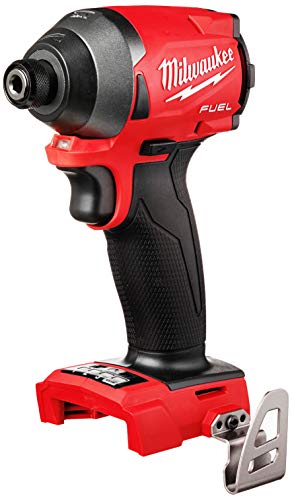
DeWalt DCF887 vs Milwaukee 2853-20: Two Discounted Flagships From the Last Generation
DeWalt DCF850 vs Milwaukee 2853-20: ATOMIC Compact Against the Discounted M18 FUEL

DeWalt DCF860 vs Makita XDT19Z: XR Precision Drive Against Four-Speed Quick-Shift
DeWalt DCF860 vs Milwaukee 2853-20: New XR Impact Against the Discounted M18 FUEL Gen 3

FLEX FX1371A-2B vs Ryobi PBLID01B: 24V Pro Impact Driver Against the 18V ONE+ HP Value Pick
