Quick verdict
The DCF850 is the one for tight spaces and the DCF887 is the one for lags and long days. At a discount the DCF887 is the better deck tool; at similar prices the ATOMIC is the handier everyday impact. Both run DeWalt 20V batteries and both drive a deck.
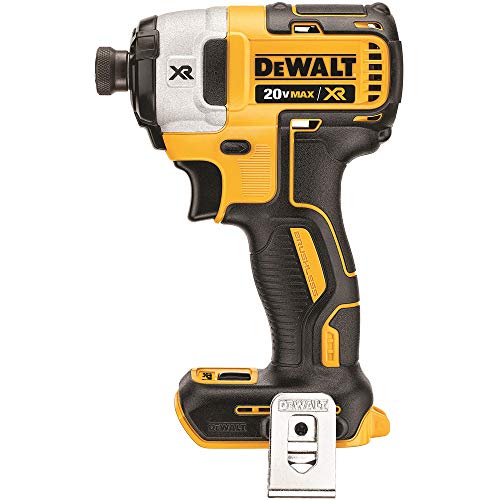
DeWalt DCF887 20V MAX XR Impact Driver
The DCF887 is the XR impact driver with three speeds, 1,825 inch-pounds of torque per DeWalt and three LEDs, proven over years of deck and framing work. It is longer than the ATOMIC and stronger, and it is often discounted.
DeWalt DCF850 ATOMIC compact impact driver versus DeWalt DCF887 XR impact driver: torque, length, modes, lighting and price compared for deck, fence and repair work.
The picks at a glance
| Tool | Best for | Score /100 | |
|---|---|---|---|
| DeWalt DCF887 20V MAX XR Impact Driver | Best for Lags and Long Days | 8.7 | Check price |
| DeWalt DCF850 ATOMIC 20V MAX Impact Driver | Best for Tight Spaces | 8.6 | Check price |
The picks, reviewed
DeWalt DCF887 20V MAX XR Impact Driver
The DCF887 is the XR impact driver with three speeds, 1,825 inch-pounds of torque per DeWalt and three LEDs, proven over years of deck and framing work. It is longer than the ATOMIC and stronger, and it is often discounted.
Reasons to buy
- Strong torque for lags and long screws
- Three speeds
- Three LEDs with no shadow
- Often discounted
Reasons to avoid
- Longer body
- No precision drive
- Older generation

DeWalt DCF850 ATOMIC 20V MAX Impact Driver
The DCF850 is the ATOMIC compact impact driver: brushless, three modes, a quarter-inch hex chuck and one of the shortest bodies in the category. It drives deck screws and hardware and reaches into brackets and between joists where longer tools cannot.
Reasons to buy
- Ultra compact body
- Brushless with three modes
- Light and balanced on compact packs
- Lower price than XR tools
Reasons to avoid
- Less torque than the DCF887
- Slower on structural lags
- Compact class limits
Where these two differ
The ATOMIC DCF850 is DeWalt’s short impact driver and the XR DCF887 is its long-running strong one. The ATOMIC fits where the XR does not; the XR drives lags the ATOMIC labors on. Both are brushless quarter-inch hex drivers on the same 20V batteries, and the DCF887 is often discounted now that the DCF860 has replaced it.
This comparison is based on the published specifications and manuals for both tools and on recurring owner feedback. We have not run either driver ourselves.
| Specification | DCF850 | DCF887 |
|---|---|---|
| Line | ATOMIC | XR |
| Torque | Compact class | 1,825 in-lbs |
| Modes | 3 | 3 speeds |
| Length | Ultra compact | Compact |
| LEDs | Ring | 3 around chuck |
| Price | Low | Often discounted |
Screws
Deck screws, fence screws, hardware and brackets are easy for both. The ATOMIC drives them with less tool in the hand and reaches the awkward ones. The XR drives them with torque to spare and three LEDs that light the head from all sides.
Lags
A ledger bolt or a post-to-beam lag loads an impact hard. The DCF887 sinks it steadily. The DCF850 sinks it too, more slowly, and a long run of lags is where the ATOMIC owner wishes for the XR.
Reach
Inside a post base, between joists, behind a rail: the ATOMIC goes where the XR does not. On a repair afternoon that happens often; on a deck build it happens at every joist hanger.
Yard jobs this decides
Hardware, hinges, latches and repairs favor the ATOMIC. A deck with a ledger and a pergola with lag-bolted beams favor the XR. Fences are a draw. Many owners buy the discounted DCF887 for the build and add the ATOMIC later for the drawer.
Batteries and runtime
Both run every 20V MAX pack and neither uses much per screw. The ATOMIC is best on a compact pack for balance; the XR takes any pack.
Bits and accessories
Both take quarter-inch hex bits with a one-handed chuck. Impact-rated bits are worth the small premium on either, and a torsion-zone bit helps the DCF887 start screws cleanly without a slow-start mode. The ATOMIC balances on a short bit; a long magnetic sleeve on the ATOMIC undoes its length advantage, so keep a short set for the tight spots.
Noise and vibration
Both are loud under impact and both benefit from hearing protection on a full deck. The ATOMIC transmits a little more buzz to the hand on lags because it works harder; the DCF887 sinks them before the vibration becomes tiring.
Common owner complaints
DCF850 owners mention slowing on long lags and a belt clip that loosens. DCF887 owners mention the length. Both are reliable.
Which one should you buy
Buy the DCF887 at a discount for a deck or any lag-heavy build. Buy the DCF850 for repairs, hardware and tight spaces, or as the second impact beside an XR.
Our verdict
The DCF887 edges this comparison for outdoor builds on torque and price. The DCF850 is the handier tool for the hundred small jobs a yard produces.
How we research
This comparison is built from the published specifications, manuals and warranty terms of both products and from recurring owner feedback. We have not run either product ourselves; where the makers do not publish a figure we say so rather than guess.
What to look for
Lags
The DCF887 sinks structural lags faster. The ATOMIC manages with patience.
Reach
The ATOMIC fits brackets and joist bays the XR cannot.
Price
The DCF887 is often discounted below the ATOMIC.
Light
Three LEDs on the DCF887 light a screw from all sides.
Our verdict
The DCF850 is the one for tight spaces and the DCF887 is the one for lags and long days. At a discount the DCF887 is the better deck tool; at similar prices the ATOMIC is the handier everyday impact. Both run DeWalt 20V batteries and both drive a deck.
FAQs
Yes for the screws; lags take longer. Many deck builders carry an ATOMIC for the tight spots and an XR for the rest.
The DCF850, especially on a compact pack.
It has been replaced by the DCF860 but remains strong, reliable and often cheap.
Yes, quarter-inch hex.
Related guides

DeWalt DCF887 vs Makita XDT19Z: Discounted XR Torque Against Discounted Four-Speed Control

Milwaukee 2953-20 vs Milwaukee 2853-20: What Gen 4 Changes Over Gen 3
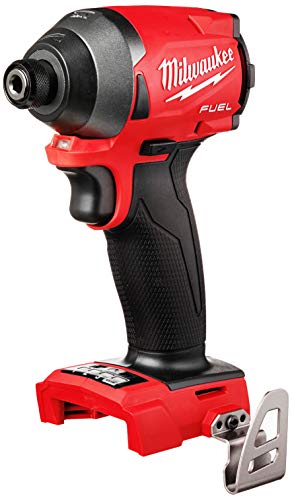
DeWalt DCF887 vs Milwaukee 2853-20: Two Discounted Flagships From the Last Generation
DeWalt DCF850 vs Makita XDT19Z: ATOMIC Compact Against the Four-Speed LXT
DeWalt DCF850 vs Milwaukee 2853-20: ATOMIC Compact Against the Discounted M18 FUEL

DeWalt DCF860 vs Makita XDT19Z: XR Precision Drive Against Four-Speed Quick-Shift
DeWalt DCF860 vs Milwaukee 2853-20: New XR Impact Against the Discounted M18 FUEL Gen 3
