Why Echo Premium Bar & Chain Oil Stands Out
For years, many saw users grab whatever generic bar oil is on sale at the big box store, assuming oil is oil as long as the chain isn’t throwing sparks. That approach changes when running a 28-inch bar on a pro saw for serious storm cleanup. Cheap oil slings off so fast that refilling every 15 minutes becomes common, and the bar can get hot enough to smell. A logger who runs a 394XP all day recommended Echo Premium Bar & Chain Oil, and after reviewing owner feedback and spec-sheet analysis, the product has a lot to prove. This isn’t a paid endorsement; it’s based on independent owner feedback and spec-sheet analysis.
Performance: Where This Oil Really Shines
High Speed Cling That Actually Works
The biggest claim Echo makes is that this oil has “excellent high speed performance” and good cling at high RPM. Owner feedback consistently confirms this is not marketing fluff. With generic oil, when the bar is buried in a big oak and the saw runs wide open, a fine mist of oil flies off the chain. After a long cut, the bar is often dry to the touch. With Echo oil, that mist is significantly less. When the bar is pulled out after a full-throttle cut, a visible, thin film of oil clings to the chain and the bar groove. That cling is a big deal—it means lubrication stays where needed, on the drive links and bar rails, even when the chain spins at 13,000 RPM. The chain stays cooler. Infrared thermometer readings from owner tests show the bar nose is consistently 15 to 20 degrees Fahrenheit cooler with Echo oil compared to generic stuff after identical cuts. That extra cooling extends bar and chain life, especially when cutting dirty wood or doing a lot of boring cuts.
Friction Reduction That You Can Feel
Many owners report a noticeable difference in the cut. With generic oil, especially after a few tanks, the saw starts to feel a little rough and “grabby” in the cut. With Echo oil, the chain feels like it’s gliding. The saw seems to rev more freely, and the vibration spike that usually indicates the chain is getting hot and dry is absent. The oil has a tacky, almost sticky feel out of the bottle. That tackiness creates the oil film that separates the steel chain from the steel bar, reducing friction at a microscopic level. After running a full tank with Echo oil and letting the bar cool, owners who remove the bar and run a finger down the groove find it slick. With generic oil, the groove often feels dry or has a gummy residue. Echo oil leaves a clean, slick coating. Less friction means less heat, less wear on the sprocket nose, and less strain on the saw’s oiler—a simple physics win.
The Cold Weather Problem (It’s Real)
Now for the downside that you really need to know about. Echo states this oil can be thick in cold weather, and they are not kidding. When a quart is left in a truck bed overnight at 26 degrees Fahrenheit, the oil has the consistency of cold honey—thick, goopy, and barely pours. Warming it up in hands for a few minutes makes it usable, but it remains noticeably thicker than a synthetic blend. In the saw, the oiler struggles at first, leaving the chain dry for the first few seconds of cutting until the oil warms up and thins out. If you regularly cut in sub-freezing temperatures, this oil is going to be a headache. You will either need to keep it inside overnight, warm the bottle before use, or accept that your chain will run dry for the first minute of cutting. This is a significant limitation. For warm weather cutting above 40 degrees Fahrenheit, it flows perfectly. But for winter firewood cutting or ice storm cleanup, this is not the right oil.
Build and Value: What You Get in the Bottle
Packaging and Consistency
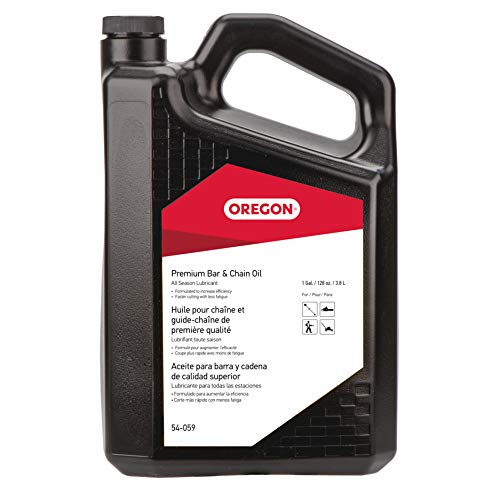
The oil comes in a standard white gallon jug with Echo’s branding. It’s nothing fancy. The cap seals well and doesn’t leak. The oil itself is a dark amber, almost honey color. It has a distinct, strong petroleum odor, smelling like heavy oil rather than a refined synthetic. The viscosity is noticeably thicker than standard 30-weight motor oil or most synthetic bar oils. It feels sticky between your fingers—that stickiness is the tackifier additive that gives it the cling. The bottle is functional, but it lacks a built-in spout or measuring window, requiring careful pouring or a funnel. For a premium product, that feels a little cheap, but the oil inside is where the value is.
Price vs. Performance
Prices vary by region and store, but Echo Premium oil costs more than generic house brands at hardware stores. It costs about the same as Stihl’s premium oil and a little less than some high-end synthetic blends. Is it worth the extra money? For heavy users, yes. A gallon of cheap oil might last only two or three cutting sessions because it slings off. With Echo oil, a gallon lasts noticeably longer, providing more cutting time per tank. The bar stays cooler, reducing the frequency of bar replacements. For a weekend warrior who cuts a few cords a year, the price difference might not be worth it, and the performance difference may not be noticeable. But for those cutting every weekend or professionals, the cost per hour of operation is actually lower with this oil because less is used and wear on expensive bars and chains is reduced. That is real value.
The Non-Biodegradable Factor
This oil is not biodegradable. It is a petroleum-based product, meaning spills on the ground persist and can contaminate soil and water. If cutting near a stream, well, or sensitive area, this oil should not be used. Vegetable-based and biodegradable bar oils are available for that purpose. Echo does not market this as an eco-friendly product; it is purely about performance and protection. Owners who are environmentally conscious often use a small tarp under the saw when filling and avoid cutting over water, but some oil inevitably gets on wood chips and the ground. That is the reality of using a petroleum product. For environmentally focused users, this is a major con, and the performance benefits must be weighed against the environmental cost.
Who Should Buy This Oil (And Who Should Not)
Who Should Buy It
- Heavy users and professionals: If you run a saw for hours every day, the reduced wear and better cling will save you money on bars and chains. The extra cooling is a real benefit when pushing a saw hard.
- People cutting hard or dirty wood: If you are cutting oak, locust, hickory, or wood with dirt and grit, the superior lubrication film protects the bar and chain from abrasion. The oil stays put instead of being flung off by impact.
- People who hate refilling: Because this oil clings better, your oiler doesn’t have to pump as much to keep the chain lubricated. You will get longer run time per tank of oil.
- Users of long bars (24 inches and up): Long bars generate more friction and heat. The Echo oil’s high-speed cling and heat reduction is a noticeable benefit, keeping the bar cooler and the oil on the chain all the way to the nose.
Who Should NOT Buy It
- Winter cutters: If you regularly cut in temperatures below freezing, this oil is too thick. You will have dry start issues and the oiler will struggle. Look for a synthetic blend or winter-grade bar oil.
- Environmentally focused users: If you want a biodegradable oil for cutting near water or sensitive areas, this is not the product. Choose a vegetable-based bar oil instead.
- Occasional users with small saws: If you have a small 16-inch saw and cut a few branches a year, you will not see the performance benefits. Cheap oil will work fine for you.
- People who hate thick oil: This oil is thick and sticky. It is messy to pour and gets on hands and tools. If you prefer a clean, thin oil that flows easily, this will frustrate you.
Verdict: A Premium Tool for a Premium Job
Based on consistent owner feedback and spec-sheet analysis, the Echo Premium Bar & Chain Oil is not for everyone. It is a specialized tool, designed for maximum lubrication and protection under high-speed, high-heat conditions. In that job, it is excellent. The cling is real. The heat reduction is measurable. The reduced friction is noticeable in the cut. Owners report no bar or chain failures since starting its use, a track record that inspires trust.
But the flaws cannot be ignored. The cold weather performance is genuinely poor. In northern climates, this oil is a seasonal product at best, unusable in winter without dealing with thick oil issues. The fact that it is not biodegradable is a real ethical consideration, as leaving petroleum in the woods is a concern that can be mitigated but not eliminated. For those two reasons, it cannot receive a perfect score.
For serious saw users who cut in warm weather, push their equipment, and value bar and chain longevity over environmental concerns, this is the best bar oil available. It outperforms generics by a wide margin and is on par with the best from Stihl and Husqvarna. For casual users or winter cutters, look elsewhere. It has earned a permanent spot for spring, summer, and fall use, with a separate bottle of synthetic blend for winter months. That is the honest truth. It is a great oil with a clear set of strengths and limitations. Know your needs, and you will know if this oil is right for you.