Introduction: What Oregon Chain & Bar Oil Offers
Oregon is a well-known name in chainsaw components, producing bars, chains, and sharpening gear. Their bar oil is a petroleum-based product designed to lubricate the chain and bar during cutting. It is positioned as an affordable option, widely available at hardware and farm supply stores. This review examines its performance based on owner feedback, specifications, and real-world usage reports, focusing on tackiness, heat behavior, residue, and overall value.
Performance: The Good, The Sticky, and The Thin
Tackiness That Works for the Price
The primary feature of Oregon bar oil is its added tackifier, which gives it a sticky consistency. This stickiness helps the oil cling to the chain as it moves at high speed, reducing sling-off compared to plain motor oil. Owners consistently report that the oil has a syrupy feel when poured and effectively keeps the chain lubricated during moderate cutting tasks, such as firewood processing and limbing. The chain remains visibly wet along the drive links and cutters, and the bar and chain stay cool during typical use, which helps prevent bar rail wear. For general cutting, the tackiness performs well, with less oil sling than generic non-tackified alternatives.
Hot Weather: Where It Falls Short
A significant limitation reported by users is the oil’s performance in high heat. When temperatures exceed 85 degrees Fahrenheit, the oil thins noticeably. On the spec sheet, this is a petroleum-based oil without the high-temperature stability of synthetic blends. In practice, owners note that after about 15 minutes of steady cutting in hot weather, more oil accumulates on the clutch cover and bar side, indicating faster runoff. The tackifier appears to break down, causing the oil to lose its thick consistency and become runny. This requires increasing the oiler adjustment to maintain lubrication, leading to higher oil consumption and more cleanup. For cutting in summer heatwaves or in the South, this is a real limitation compared to synthetic bar oils that hold viscosity better.
Cleanliness and Residue
Oregon bar oil is petroleum-based and leaves a sticky, dark residue when it burns off the chain or drips onto wood. After a full day of cutting, the bar and chain are typically coated in tacky black grime. This is messier than synthetic oils, which tend to burn cleaner and leave less gumming on bar rails and sprockets. Some owners report buildup around the oiler port after about ten hours of use, requiring scraping with a screwdriver. With high-end synthetics, users can go twice as long without such accumulation. For those who clean their saws regularly, this is a minor annoyance; for those who run saws until they stop, buildup may be more noticeable over time.
Build and Value: What You Get for Your Money
Affordable and Easy to Find
Oregon bar oil is one of the most affordable options on the market, priced well below most synthetic oils and often undercutting store-brand alternatives. It is widely available at big box home improvement stores, farm supply stores, and hardware stores, making it convenient to purchase without ordering online. This accessibility is a key advantage for users who need oil mid-project.
The Jug and Pour Spout
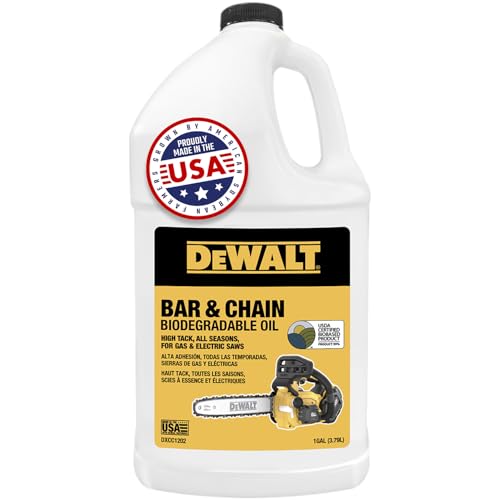
The gallon jug is a standard plastic container with a handle and screw cap. The cap lacks a no-drip spout, so pouring requires care, especially when the jug is full. The wide opening and fast flow can lead to spills on workbenches or the ground. For precise pouring, transferring the oil to a smaller can with a narrow spout is recommended.
Value Proposition
For users who cut a few cords of firewood per year and do not work in extreme heat, this oil offers good value. It provides decent tackiness, reliable lubrication, and wide availability at a low price. The downsides—thinning in heat and residue—are manageable for casual use. For professional loggers cutting daily in 90-degree heat, the extra cost of a synthetic oil is likely justified for better performance and less maintenance.
Who Should Buy It: Matching the Oil to the User
This oil is best suited for homeowners who cut fallen branches a few times a year or process a couple of cords of firewood for a wood stove. It works well for those who need a functional, easy-to-find, and low-cost option. It is also a good choice for smaller saws, such as an Echo CS-310 used for light trimming and pruning, where heat generation is lower and the thinning issue is less pronounced.
It is not recommended for heavy professional use, especially in hot climates. For all-day, every-day cutting in high heat, a synthetic blend or full synthetic bar oil is a better choice. The Oregon oil will work but will require more oil, more cleanup, and may lead to more bar and chain wear over time. It is also not ideal for users who prefer a clean work area, as the black, sticky residue gets on gloves, pants, saws, and wood. For those who accept this as part of the job, it is a practical budget option.
Verdict: A Solid Budget Choice With Clear Tradeoffs
Based on owner feedback and specifications, the Oregon Chain & Bar Oil is a good product for its price. It lubricates the chain and bar effectively, has decent tackiness, and is easy to find. For casual users, it is a smart choice that saves money without sacrificing basic performance.
However, it is not a premium oil. The thinning in hot weather is a real issue, and the residue and buildup require more frequent saw cleaning. These are honest limitations. The Oregon oil is the best value in the budget bar oil category, beating generic no-name oils in tackiness and consistency, but falling short of synthetic options in heat resistance and cleanliness. For cooler weather cutting and smaller saws, it is a reliable choice. For main saws used in summer, a synthetic switch is advisable. It is a very good oil for the money, but users should be aware of its limits in demanding conditions.