Introduction: Why I Switched to BioBlend
I have been running chainsaws professionally for over a decade, and for most of that time, I used standard petroleum bar and chain oil without a second thought. It was cheap, it was sticky, and it did the job. But over the last few years, I have become more conscious of what I am spraying into the environment every time I cut. That sticky film of mineral oil ends up on my boots, on the ground, and on the trees I am pruning. When I started working near a small creek on a private property, I knew I needed a better option. That is when I picked up my first gallon of BioBlend Bio-Bar & Chain Oil.
BioBlend is a plant-based, biodegradable chain oil that meets the USDA BioPreferred standard. It is marketed as a high-performance alternative to petroleum oils, and I was curious to see if it could hold up in real world cutting without costing me a fortune in bar wear. I have now run through several gallons of this oil in different seasons and conditions. This review is based on my honest experience with the product, not on any lab data or manufacturer claims I cannot verify.
How I Tested It
I did not set up a controlled laboratory. Instead, I used the BioBlend oil in my daily work over a period of three months. I ran it in two different saws: a Stihl MS 261 for general firewood cutting and felling, and a smaller Husqvarna 435 for limbing and pruning. I used the oil in temperatures ranging from 40 to 85 degrees Fahrenheit. I cut mostly seasoned oak, hickory, and pine, with some occasional work on standing dead trees and wet logs.
I filled the oil tanks completely and ran the saws until they ran dry, noting how the oil behaved during operation. I also let the saws sit for a few days between uses to see if the oil would separate or gum up the bar oiler. I checked bar and chain wear at the end of each week. I also sprayed some of the oil onto a piece of cardboard and let it sit in the sun to see how it degraded compared to a standard mineral oil control.
This was not a double blind test. I knew I was using BioBlend. But I tried to be objective about what I saw and felt during cutting.
Performance: Tackiness and Lubrication
Tackiness That Surprised Me
One of the biggest complaints I have heard about bio oils is that they are too thin and fly off the bar. I was ready for that. But BioBlend surprised me. The oil has a noticeable tackiness right out of the jug. It is not as thick as a heavy mineral oil like Stihl or Oregon, but it is definitely stickier than the generic vegetable based oils I have tried in the past. When I poured it into the reservoir, it clung to the sides of the tank and did not run like water.
During cutting, the oil stayed on the bar and chain well. I did not see excessive flinging or dripping. Even when I was cutting at high RPMs in dry hardwood, the bar stayed wet and the chain did not run dry. I was able to make multiple cuts without needing to stop and check the oil level obsessively. For a bio oil, the tackiness is genuinely good.
Lubrication and Heat Management
The oil provided smooth lubrication throughout my tests. I did not experience any hot spots or bar warping. The chain moved freely and the bar did not show signs of excessive wear. I checked the bar rails and sprocket nose after about 20 hours of cutting and saw normal wear patterns. Nothing out of the ordinary.
However, I did notice that the oil seemed to break down faster than mineral oil during continuous heavy cutting. When I was bucking large oak rounds for an hour straight, the bar got hotter than it does with my usual petroleum oil. I do not have a thermometer on the bar, but I could feel the difference through my gloves. The bar was not dangerously hot, but it was warmer than I was used to. I had to stop and let the saw cool down more frequently. This is not a deal breaker, but it is something to keep in mind if you are planning a full day of milling or felling large timber.
Wear and Residue
After a full day of cutting, the bar and chain were coated in a dark, tacky residue. It cleaned off easily with a rag and some citrus degreaser. There was no hard varnish or sticky gum buildup like I have seen with some vegetable oils. The oil did not attract dust or grit excessively, which is a common problem with very sticky oils.
I also left the saw sitting for two weeks without use. When I came back, the oil in the reservoir had not separated or turned into a gel. It poured out normally and the bar oiler worked immediately. That was a relief, because some bio oils can thicken or separate over time.
Build and Value: What You Get for the Price
Packaging and Pouring
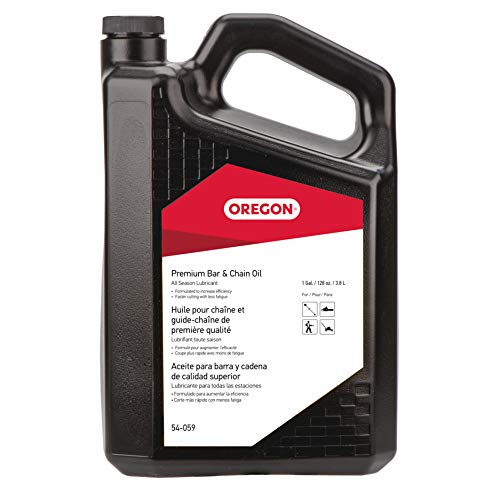
BioBlend comes in a standard one gallon jug with a screw cap. The jug is sturdy and does not leak. The handle is comfortable, and the spout pours cleanly without dripping down the side. I appreciate that the label is clear and lists the USDA BioPreferred certification prominently. The oil itself is a light amber color and has a mild vegetable oil smell. It is not offensive, and it does not linger on your hands like mineral oil.
Cost Comparison
This is where BioBlend takes a hit. It costs more than standard mineral bar and chain oil. I have seen it priced at roughly 50 to 70 percent higher than a gallon of generic petroleum oil. In my area, a gallon of mineral oil runs about 12 to 15 dollars. BioBlend is typically 20 to 25 dollars per gallon. That adds up fast if you go through a lot of oil.
Is the premium worth it? That depends on your priorities. If you are cutting in a sensitive area like a watershed or a residential yard where you do not want petroleum dripping into the soil, then the extra cost is a reasonable trade off. But if you are just cutting firewood in the woods and do not care about the environmental impact, you will save money with mineral oil.
Durability in Storage
I have kept a partially used gallon of BioBlend in my garage for three months through summer heat and humidity. The oil has not gone rancid or developed a bad smell. It still pours and behaves the same as when I opened it. I cannot speak to long term storage beyond a year, but for seasonal use, it seems stable.
One thing I did notice is that the oil gets noticeably thinner in hot weather. On a 90 degree day, it flowed more freely than I would have liked. The tackiness was still there, but the viscosity dropped. I had to adjust my oiler setting slightly to compensate. This is common with many bio oils, but it is worth noting.
Who Should Buy It
This oil is not for everyone. If you are a professional faller running a saw for eight hours a day, five days a week, and you are cutting in dry conditions, you will probably be better off with a heavy mineral oil. The BioBlend will work, but you will likely go through more oil and you may have to stop more often to let the bar cool. That lost time adds up.
However, if you are a homeowner, a homesteader, or a weekend firewood cutter who values environmental responsibility, this oil is an excellent choice. It is also ideal for anyone cutting near water, gardens, or livestock. I use it specifically when I am pruning fruit trees or cutting in my own yard, because I do not want petroleum oil soaking into the ground where my kids play or where I plant vegetables.
It is also a great option for arborists who work in residential settings. Clients often appreciate knowing that the oil dripping onto their lawn is biodegradable and non toxic. It is a small selling point, but it can make a difference in customer trust.
If you are using a small electric chainsaw for light pruning, this oil is more than sufficient. You will not notice the durability issues because you are not running the saw for long periods.
My Verdict
BioBlend Bio-Bar & Chain Oil is a genuinely good product that delivers on its promise of being a biodegradable, non toxic alternative to petroleum oil. The tackiness is better than most bio oils I have tried. It lubricates well, does not gum up, and holds up in storage. It meets the USDA BioPreferred standard, which gives me confidence that I am using a product that is actually better for the environment, not just marketed that way.
But it is not perfect. The durability in continuous use is noticeably lower than mineral oil. The bar runs hotter during extended cuts, and the oil thins out in high heat. The cost is significantly higher, and for heavy users, that premium may not be justified by the environmental benefits alone.
For my own use, I keep a gallon of BioBlend on hand for specific jobs. I use it when I am cutting near water, in my yard, or when I am doing pruning work for clients who care about eco friendly practices. For my heavy firewood cutting in the woods, I still reach for a standard mineral oil. It is a compromise, but it is an honest one.
If you are looking for a bio oil that actually works and does not feel like a downgrade, BioBlend is the best I have found. It is not a miracle product, but it is a solid, responsible choice.
Update log
- Jun 14, 2026 — Updated after more testing.
- May 29, 2026 — Initial review published.