Why an oscillating sprinkler stops moving: low water pressure, debris in the gear track, worn internal gears, and how to tell which one is your problem.
An oscillating sprinkler sweeps its spray bar back and forth using water pressure to drive a small internal turbine or piston mechanism connected to gears. When the arm sits still, sprays from a fixed position, or moves only partway before stopping, the cause is almost always one of a handful of mechanical or water-supply issues, most of which you can diagnose and fix without buying a new sprinkler.
Check water pressure and flow first
The oscillating mechanism needs a minimum amount of flow and pressure to turn its internal turbine or piston. If pressure is too low, the arm may twitch, move very slowly, or not move at all even though water is clearly spraying out. Before assuming the sprinkler is broken, check for a kinked hose, a partially closed spigot, a clogged inline filter or washer fragment stuck in the inlet screen, or a hose diameter too narrow for the sprinkler’s rated flow requirement. See our garden hose water pressure guide if you suspect the hose itself, not the sprinkler, is the bottleneck.
Debris blocking the oscillating bar or gear track
Dirt, grass clippings, mineral deposits from hard water, or small insects can jam the gear track or the pivot points where the spray bar swings. Mineral buildup in particular accumulates slowly over a season and can gradually stiffen the movement before stopping it entirely. Rinse the gear track and pivot area with clean water, and use an old toothbrush or a toothpick to clear debris from tight gear teeth. Running the sprinkler briefly with the arm removed, if your model allows it, can help flush grit out of the internal mechanism.
Worn or stripped internal gears
Because the drive gears are usually small plastic parts, repeated exposure to gritty water, hard water mineral buildup, or age can wear down or strip the teeth so they no longer engage properly. This typically shows up as an arm that moves partway, skips, or moves in one direction but not the other. Unlike debris, worn gears cannot be cleaned back to full function, and at that point replacing the sprinkler is usually more practical than sourcing internal parts, since oscillating sprinklers are inexpensive by design.
The spray bar is not seated or aligned correctly
If the sprinkler was recently disassembled for cleaning or storage, check that the spray bar is fully seated in its mounting and that any adjustment tabs or width-control levers are set correctly rather than jammed against a stop. A bar that is slightly misaligned can bind against the housing and stall the sweep even with a functioning motor mechanism underneath.
Cold or sun-baked plastic housing
Extreme heat can soften and slightly warp plastic housings left in direct sun for long periods, and cold can make plastic more brittle and prone to binding at tight tolerances. If the sprinkler moves fine after cooling down or warming up, but sticks at temperature extremes, the housing itself may have slightly deformed over time, in which case cleaning will not solve it permanently.
Rule out the hose before blaming the sprinkler
Because the oscillating mechanism depends entirely on water flow to operate, it is worth eliminating the hose as the source of the problem before opening up the sprinkler itself. Connect the sprinkler directly to the spigot with the shortest hose available and see if it moves normally. If it does, the original hose, a splitter, an inline timer, or a length of narrow-diameter hose upstream was restricting flow enough to stall the mechanism, and the fix is on the supply side rather than inside the sprinkler.
When to replace instead of repair
Oscillating sprinklers are a low-cost, largely non-serviceable tool. If cleaning the gear track, clearing debris, and confirming adequate water pressure and flow do not restore movement, internal gear wear is the likely cause, and replacement is usually the practical choice. If frequent sticking has been a recurring problem, an impact sprinkler may be a more mechanically robust alternative for your yard; see our best impact sprinkler guide. For yards where low household water pressure may be part of the pattern, our sprinklers for low water pressure guide covers models designed to operate reliably at reduced flow, and our watering a lawn with low water pressure guide covers technique adjustments that help regardless of which sprinkler you use.
How we research
We compare published manufacturer specifications, official manuals, warranty information and recurring owner feedback. Rankings are research-based unless original YardToolLab test evidence is explicitly shown on the page.
FAQs
The most common causes are insufficient water pressure or flow, debris or mineral buildup jamming the gear track, or worn internal gears that no longer engage. Check water flow and clean the gear track first, since those are the easiest fixes.
Yes. The sweeping arm is driven by an internal turbine or piston powered by water flow, so insufficient pressure or flow can leave the arm barely moving or stuck entirely, even though water is still spraying from the nozzles.
Generally no. The drive gears are small plastic parts not designed to be repaired, and once the teeth are stripped or worn, cleaning will not restore function. Because oscillating sprinklers are inexpensive, replacement is usually more practical than repair.
Rinse the gear track and pivot points with clean water, and use a toothbrush or toothpick to remove dirt or mineral deposits from the gear teeth. Running the sprinkler briefly afterward can help flush any remaining loose debris.
Related guides
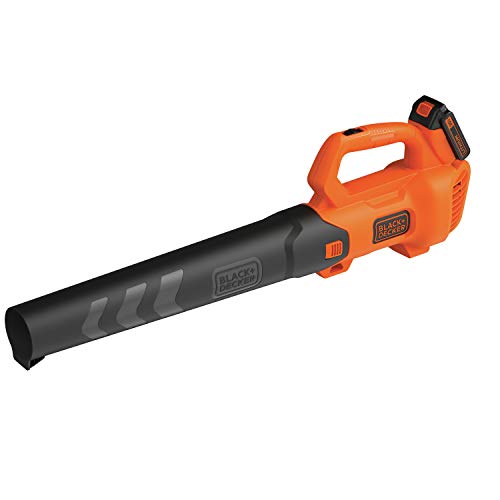
Leaf Blower Buying Guide for Beginners: Three 20V Kits With Battery and Charger in the Box

Budget Oscillating Sprinklers That Still Adjust: Melnor Turbo 2800, Eden Essential and Eden Metal

Small Yard? These Three Oscillating Sprinklers Dial Down to a Strip of Lawn

Lightweight Cordless Lawn Mowers: Three Models at 21, 22 and Under 30 Pounds

Cordless Lawn Mowers for Beginners: Three Complete Kits That Start With a Button

Garden Insect Netting for Raised Beds Buying Guide: Three Fine-Mesh Covers That Fit a 4×8 Bed

Short on Space? The Three Best Compost Tumblers for Small Spaces, All 18.5 Gallons
