Tiller vs cultivator explained: power, depth, and job differences so you buy the right tool for breaking new ground or maintaining beds.
Garden centers and product listings often use tiller and cultivator interchangeably, which causes real confusion because the two tools are built for different jobs. A cultivator is not a smaller tiller, and a tiller is not just a bigger cultivator. They differ in tine design, power, and the specific soil task each one is meant to perform.
What a Cultivator Actually Does
A cultivator is a lightweight tool designed to mix and aerate soil that has already been broken up, not to break new ground. Its tines are typically thinner, shorter, and spin at lower torque than a tiller’s, because the job is stirring loose topsoil, working in compost or fertilizer, and uprooting small weeds between rows of established plants. Cultivators generally work the top 3 to 6 inches of soil.
Because cultivators do not need to fight compacted or unbroken ground, they can be much lighter. Many battery-powered and corded electric models weigh under 20 pounds, which makes them practical for maintaining raised beds and container gardens throughout the growing season without the bulk of a full tiller. Our best garden cultivator guide and best battery cultivator guide both cover current models built for this lighter maintenance role.
What a Tiller Actually Does
A tiller is a heavier, more powerful machine engineered to break up soil that has never been cultivated, or that has become compacted, rocky, or thick with sod. Tiller tines are larger, spaced more aggressively, and driven by more powerful engines or motors capable of chewing through unbroken ground rather than skating across it. Tillers commonly reach 6 to 10 inches of depth, and rear-tine models with counter-rotating tines can go further into genuinely hard soil.
This extra capability comes at a real cost in size and weight. Even the lightest front-tine tillers usually weigh 20 pounds or more, and rear-tine models built for breaking new ground can weigh well over 150 pounds. That weight and power are wasted, however, on soil that is already loose and just needs light seasonal mixing, which is exactly the gap a cultivator fills instead.
Choosing Based on the Actual Job
The clearest way to decide is to ask what condition your soil is in right now, not what you think sounds like the more serious tool. If you are starting a brand-new garden bed on ground that has never been worked, has thick grass or sod on it, or has gone hard and compacted from years of foot traffic, you need a tiller, and the difference between front-tine and rear-tine tillers becomes the next decision to make.
If your garden is already established and you are simply loosening the surface before planting, mixing in compost, or knocking down small weeds between rows during the season, a cultivator does the job with far less weight, noise, and cost. Many gardeners end up owning both tools for different stages: a tiller once, to establish the bed, and a cultivator every season after, to maintain it.
Power Source and Practical Differences
Cultivators lean heavily toward electric and battery power because the torque demand is modest, which also means quieter operation and no gas, oil, or spark plug maintenance. Tillers span the full range from gas-powered rear-tine machines built for serious ground-breaking to lighter electric and battery front-tine models suited to smaller, already-workable plots, covered in our best electric tiller guide.
Price reflects this split as well. A quality cultivator is typically a fraction of the cost of even an entry-level tiller, because it is doing less mechanical work and needs a smaller motor to do it. Buying a tiller for cultivator-level tasks means paying for power you will not use, while buying a cultivator to break new ground means a tool that will stall, skip, or wear out fast trying to do a job it was never built for.
Bottom Line
A cultivator maintains soil that is already workable; a tiller breaks soil that is not. Match the tool to the actual state of your ground rather than assuming bigger is always better, and if compacted or clay-heavy soil is the specific obstacle you are facing, it is worth reading how to break up compacted garden soil before deciding which machine to buy.
How we research
We compare published manufacturer specifications, official manuals, warranty information and recurring owner feedback. Rankings are research-based unless original YardToolLab test evidence is explicitly shown on the page.
FAQs
Not effectively. Cultivators are built for light mixing of already-loose soil, not breaking new ground. Trying to use one on unbroken sod or compacted soil will strain the motor and produce a shallow, uneven result. A tiller is the right tool for establishing a new bed.
No, it is a different tool for a different job. Cultivators have thinner tines and lower torque, designed to aerate and mix soil that is already workable. Tillers have larger, more powerful tines built specifically to break up unbroken or compacted ground.
Many gardeners do. A tiller is typically used once to establish a new bed or renovate compacted soil, while a cultivator handles the lighter seasonal task of mixing in compost and knocking down weeds between plantings throughout the growing season.
A cultivator typically works the top 3 to 6 inches of soil, enough for surface mixing and light weeding. A tiller reaches 6 to 10 inches or more, which is necessary for breaking up unbroken ground or deeply compacted soil.
Related guides

LIKEPAY 10 Ft Cantilever Umbrella Reviewed: Offset Shade With an 8-Rib Frame

BLACK+DECKER BEHT150 17-Inch Hedge Trimmer Reviewed for Light Yearly Trimming
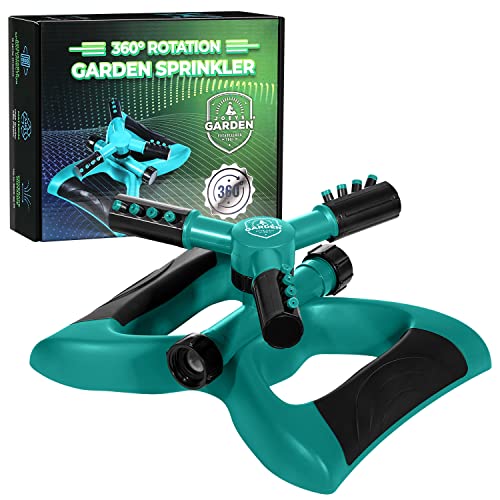
What the Joeys Garden 360 Rotating Sprinkler Does Well and Where It Falls Short
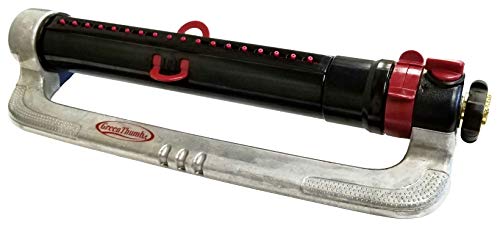
Green Thumb 4200MGT Metal Oscillating Sprinkler Reviewed for a 3900 Sq Ft Lawn

FXFOUCS 50 Ft Hybrid Garden Hose Review: Kink Resistant and Rated to a 700 PSI Burst

Real Hose Storage 4-Wheel Hose Reel Cart Review for a 250-Foot Hose

Gilmour Heavy Duty Graphite Fireman Nozzle Reviewed for 8 Spray Patterns and a Swivel Connect
