How to identify and fix compacted garden soil using tilling, aeration, organic matter, and the season-by-season plan that prevents it returning.
Compacted garden soil forms when soil particles are pressed together so tightly that air, water, and roots can no longer move through it easily, usually from foot traffic, heavy equipment, tilling at the wrong moisture level, or naturally dense clay content. Fixing it takes more than a single pass with a tiller, it requires identifying the cause, breaking up the compaction correctly, and adding organic matter so it does not simply return the following season.
Recognizing Compacted Soil
Compacted soil is often hard to identify by sight alone, since it can look like ordinary dirt on the surface. The clearer signs are functional: water pools on the surface or drains very slowly after rain, a garden fork or shovel meets strong resistance and is difficult to push in more than a few inches, plant roots appear shallow and stunted rather than reaching down normally, and the soil feels dense and heavy rather than crumbly when handled. Areas with regular foot traffic, near garden paths, or where equipment has been driven or parked are especially prone to this.
Tilling as the First Step
For moderately compacted soil, tilling is usually the fastest way to physically break apart the dense structure. The key is timing: soil must be at the right moisture level, neither too wet nor bone dry, since tilling wet soil actually makes compaction worse rather than better, detailed in our guide on whether you can till wet soil. A rear-tine tiller with enough torque to reliably penetrate hard, compacted ground is generally more effective than a lighter front-tine model for this job, covered in our best garden tiller for hard soil guide.
For soil compacted deeply below normal tilling depth, a single tilling pass may only address the surface layer. In these cases, a deeper initial pass followed by working in organic matter, described below, addresses more of the problem than tilling depth alone can.
Deep Compaction Below Tilling Depth
Some compaction sits below where a standard tiller reaches, often called a hardpan or tillage pan, sometimes caused by years of tilling at the same shallow depth. For this deeper compaction, a broadfork or garden fork can be used to physically penetrate and lever open the soil below normal tilling depth without fully inverting it, which helps break the compacted layer while preserving more of the soil structure above it than repeated aggressive tilling would.
Adding Organic Matter
Tilling alone loosens compacted soil temporarily, but without adding organic matter the same compaction tends to return within a season or two, especially in clay-heavy ground. Compost, aged manure, or shredded leaves worked into the soil after the initial tilling pass create pore space between soil particles that physically resists re-compaction and improves both drainage and water retention at the same time. A generous layer, typically 2 to 4 inches of compost tilled into the top 6 to 8 inches of soil, makes a measurable difference in soil structure over a season.
Cover Crops for Ongoing Improvement
For garden beds that are not in active use during part of the year, cover crops with deep or fibrous root systems, such as daikon radish, clover, or annual rye, can help break up compaction naturally as their roots grow through the soil, then add organic matter as the plant residue breaks down after being cut or tilled under. This approach works alongside mechanical tilling rather than replacing it for badly compacted ground, but it is a useful ongoing maintenance step once the initial compaction has been addressed.
Preventing Compaction From Returning
The most common cause of recurring compaction is repeated foot or equipment traffic across the same soil, so establishing dedicated paths and avoiding walking directly on planting beds, especially when soil is wet, prevents much of the problem before it starts. Rotating tilling depth between seasons and avoiding tilling wet soil, as covered in our guide on the best time to till a garden, both reduce the chance of creating new compaction while fixing the old.
Bottom Line
Break up compacted soil with a properly timed tilling pass using equipment strong enough for the job, follow it with organic matter to prevent the compaction from returning, and address foot traffic patterns and tilling habits that caused the compaction in the first place.
How we research
We compare published manufacturer specifications, official manuals, warranty information and recurring owner feedback. Rankings are research-based unless original YardToolLab test evidence is explicitly shown on the page.
FAQs
Look for water pooling on the surface after rain instead of draining, a shovel or garden fork meeting strong resistance a few inches down, stunted shallow roots on plants, and soil that feels dense rather than crumbly when handled. These signs together usually confirm compaction.
No. Tilling breaks up compaction temporarily, but without adding organic matter like compost, the soil tends to compact again within a season or two, especially in clay-heavy ground. Organic matter creates lasting pore space that resists re-compaction.
A broadfork or garden fork can penetrate and lever open soil below where a standard tiller reaches, breaking up deeper compacted layers, sometimes called hardpan, without fully inverting the soil structure above it.
Yes, deep or fibrous-rooted cover crops such as daikon radish, clover, or annual rye can grow through compacted soil and gradually loosen it, then add organic matter as their residue breaks down. This works best as ongoing maintenance alongside tilling, not as a replacement for it on badly compacted ground.
Related guides

LIKEPAY 10 Ft Cantilever Umbrella Reviewed: Offset Shade With an 8-Rib Frame

BLACK+DECKER BEHT150 17-Inch Hedge Trimmer Reviewed for Light Yearly Trimming
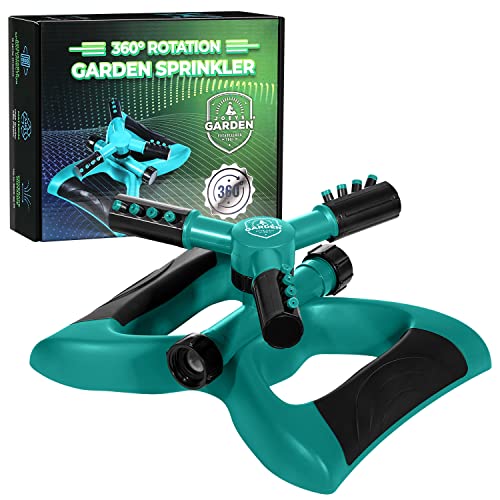
What the Joeys Garden 360 Rotating Sprinkler Does Well and Where It Falls Short
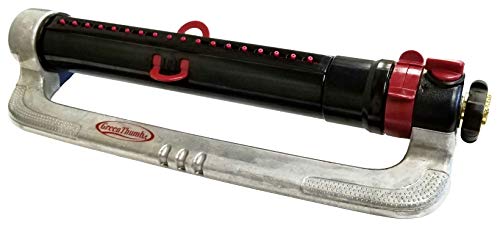
Green Thumb 4200MGT Metal Oscillating Sprinkler Reviewed for a 3900 Sq Ft Lawn

FXFOUCS 50 Ft Hybrid Garden Hose Review: Kink Resistant and Rated to a 700 PSI Burst

Real Hose Storage 4-Wheel Hose Reel Cart Review for a 250-Foot Hose

Gilmour Heavy Duty Graphite Fireman Nozzle Reviewed for 8 Spray Patterns and a Swivel Connect
