The best time to till a garden by season and soil moisture, plus why fall tilling and spring tilling each suit different situations.
The best time to till a garden is generally two to three weeks before your planting date, once soil temperature and moisture are both in a workable range, though the specific timing depends on whether you are tilling in spring, fall, or establishing a brand-new bed.
Spring Tilling: The Most Common Approach
For most home gardens, spring tilling shortly before planting is the standard approach. The key constraint is not the calendar date but soil condition: soil needs to have dried out enough from winter snowmelt and spring rain to pass a basic moisture test, since tilling too-wet spring soil causes compaction rather than preventing it, covered in our guide on whether you can till wet soil. Waiting for the right moisture window matters more than tilling as early as possible.
Soil temperature matters too, particularly if you are tilling in preparation for direct-seeding rather than transplanting. Tilling too early, while soil is still cold, does not directly harm the soil, but it can mean the bed sits exposed and prone to weed germination or erosion for weeks before it is actually planted. Timing the tilling closer to the actual planting date, roughly two to three weeks out, keeps the freshly worked bed from sitting idle and inviting weed growth.
Fall Tilling: An Underused Option
Tilling in fall, after the growing season ends, has real advantages that many gardeners overlook. Fall tilling incorporates spent plant material and any added organic matter over the winter months, giving compost and amendments time to break down and integrate into the soil structure before spring planting. Freeze-thaw cycles over winter also naturally help break down larger soil clumps left from fall tilling, often producing a finer, more workable texture by spring than tilling fresh in cold, wet spring soil would.
Fall tilling is particularly useful for new garden beds being established on ground with sod or heavy clay, since it spreads the ground-breaking work across two seasons rather than trying to fully prepare a bed in a single spring session. It also reduces the spring time crunch when soil moisture windows can be narrow and unpredictable due to frequent rain.
Establishing a Brand-New Garden Bed
For entirely new ground, timing often depends more on removing existing vegetation than on the calendar. If sod or grass needs to be dealt with first, our guide on whether you should remove grass before tilling covers that step, and the timing of tilling should follow whichever removal method is used, whether that means tilling grass in over multiple passes or tilling clean soil after sod removal. New beds on clay-heavy ground also often benefit from an initial fall tilling pass followed by a lighter spring pass, since clay responds well to a winter of freeze-thaw breakdown between the two.
Signs to Watch For Regardless of Season
Whatever the season, two conditions should be met before tilling: soil moisture in the workable range evaluated by hand, and soil that has warmed enough that it is not still frozen or waterlogged from snowmelt. Skipping ahead of these conditions because of a planting-calendar deadline tends to backfire, since compacted or poorly worked soil from improperly timed tilling often costs more growing time later than waiting an extra week or two would have.
Avoiding the Common Timing Mistakes
The two most frequent timing mistakes are tilling immediately after a heavy rain because the calendar says it is planting season, and tilling far too early in spring while soil is still cold and wet from melting snow. Both produce compacted, clumpy soil that takes more work to fix than the time saved by tilling early. A short delay to let soil reach the right moisture and temperature is almost always worth it.
Regional and Climate Considerations
Timing also shifts meaningfully by region and climate. Gardeners in areas with short growing seasons and cold winters often lean more heavily on fall tilling to make the most of a compressed spring planting window, since there is less margin to wait out a slow-drying spring. Gardeners in milder climates with longer growing seasons have more flexibility to till in either fall or spring without much practical difference, and some can even till in winter during a dry stretch if the ground is not frozen. Checking regional extension office guidance for typical frost and soil-warming dates in your specific area is a useful supplement to the moisture and temperature tests described above.
Tilling Around Multiple Planting Windows
Gardens with both a spring and a fall planting cycle, common for gardeners growing cool-season crops in addition to summer vegetables, may need to till more than once a year. In these cases, a lighter maintenance tilling pass between the two plantings is usually sufficient rather than a full deep tilling each time, since the soil structure was already established earlier in the year and does not need to be broken up from scratch again.
Bottom Line
Aim to till two to three weeks before planting once soil moisture and temperature are both workable, consider fall tilling for new beds or clay-heavy ground to spread the work across seasons, and never let a calendar date override what the soil itself is telling you about its readiness.
How we research
We compare published manufacturer specifications, official manuals, warranty information and recurring owner feedback. Rankings are research-based unless original YardToolLab test evidence is explicitly shown on the page.
FAQs
Both work, but fall tilling has advantages for new beds and clay-heavy soil, since it lets organic matter break down over winter and freeze-thaw cycles naturally soften soil clumps. Spring tilling shortly before planting is the more common approach for established gardens.
Roughly two to three weeks before your planting date is a good general target, once soil moisture and temperature are in a workable range. Tilling too far ahead leaves the bed exposed to weed growth before you actually plant.
Yes. Tilling while soil is still cold and wet from snowmelt tends to cause compaction and produces a poor, clumpy texture. It is better to wait until the soil has warmed and dried to a workable moisture level, even if that pushes tilling closer to the planting date.
Yes, fall tilling followed by a winter of freeze-thaw cycles often breaks clay clumps down into a finer texture than tilling fresh in wet spring soil produces. This makes fall a good time to do an initial pass on clay-heavy new beds, followed by a lighter spring pass.
Related guides

LIKEPAY 10 Ft Cantilever Umbrella Reviewed: Offset Shade With an 8-Rib Frame

BLACK+DECKER BEHT150 17-Inch Hedge Trimmer Reviewed for Light Yearly Trimming
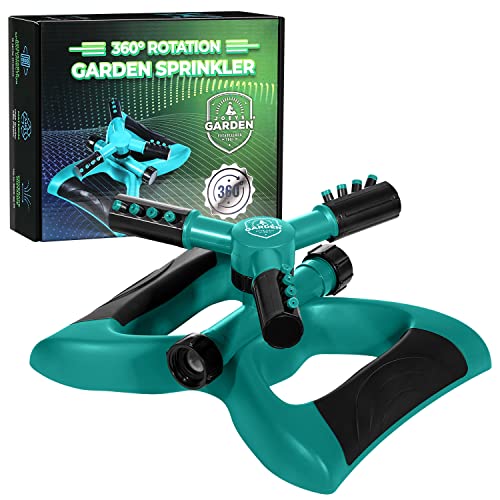
What the Joeys Garden 360 Rotating Sprinkler Does Well and Where It Falls Short
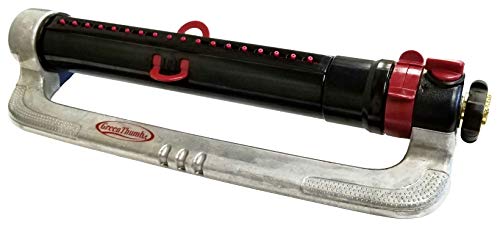
Green Thumb 4200MGT Metal Oscillating Sprinkler Reviewed for a 3900 Sq Ft Lawn

FXFOUCS 50 Ft Hybrid Garden Hose Review: Kink Resistant and Rated to a 700 PSI Burst

Real Hose Storage 4-Wheel Hose Reel Cart Review for a 250-Foot Hose

Gilmour Heavy Duty Graphite Fireman Nozzle Reviewed for 8 Spray Patterns and a Swivel Connect
