Should you remove sod before tilling a new garden bed? When to strip grass first and when a heavy-duty tiller can turn it under instead.
In most cases, yes, removing grass and sod before tilling produces a better result, though it is not strictly required if you have the right equipment and enough patience for extra passes. The decision depends on how thick the sod is, what tiller you are using, and how quickly you want the bed ready to plant.
Why Sod Causes Problems for a Tiller
Grass sod is a dense mat of roots and rhizomes held together by living plant tissue, which behaves very differently from bare soil under a rotating tine. Instead of breaking apart cleanly, sod tends to wrap around the tines, clog the tiller, and get chopped into pieces rather than fully incorporated into the soil below. Many of those chopped pieces remain viable and will resprout, meaning tilling grass directly into a new bed can leave you fighting regrowth of grass and weeds for the rest of the season.
This is especially true for front-tine tillers, which lack the power and independent drive to consistently chew through a thick root mat, as covered in our front-tine vs rear-tine tillers comparison. A rear-tine tiller with counter-rotating tines handles sod far more reliably, though even these machines usually need multiple passes to fully break down a thick lawn.
When Removing Sod First Is the Better Approach
Stripping sod before tilling is generally the right call for thick, established lawn grass, especially tough varieties like Bermuda or zoysia that spread aggressively through rhizomes and can resprout from small fragments left in the soil. It is also the better choice if you want the bed plantable soon, since removed sod means the tiller is only breaking up soil, not fighting through roots, which cuts the number of passes needed and reduces regrowth problems later.
Sod can be removed by hand with a flat spade, cutting it into strips and rolling it up, or with a rented sod cutter for larger areas. Removed sod is not wasted, it can be flipped upside down and composted, or relocated to patch bare spots elsewhere in the lawn.
When Tilling Grass Directly Can Work
For thinner or weaker grass, or when time and labor for sod removal are limited, tilling directly into the ground can work if you are willing to till more than once. A common method is a first pass to chop the sod into small pieces, letting those pieces dry out and die for a week or two, then a second and sometimes third pass to fully incorporate the now-dead organic matter into the soil. This approach actually adds organic material to the bed, which can benefit soil structure over time, provided the grass is genuinely killed off between passes rather than just relocated.
A heavier rear-tine tiller makes this approach far more practical than a front-tine unit, since the extra torque and counter-rotating tine option are what actually break the root mat apart instead of just riding over it. See our best tiller for breaking new ground guide for machines built specifically for this job.
The Regrowth Risk Either Way
Whichever method you choose, aggressive spreading grasses like Bermuda grass are notoriously difficult to fully eliminate through tilling alone, since even small rhizome fragments can resprout. For lawns with these grass types, sod removal followed by a period of monitoring for resprouts, or an herbicide application before removal, is often necessary regardless of how thoroughly you till. Less aggressive grasses and thin lawns are far more forgiving of the till-in-place approach.
Solarization as a Middle Option
For gardeners who want to avoid both the labor of manual sod removal and the multi-pass tilling approach, solarization offers a slower but effective alternative. Covering the grass area with clear plastic sheeting for four to six weeks during the hottest part of summer traps heat and effectively cooks the grass and much of its root system, along with many weed seeds near the surface. Once the grass is dead, tilling proceeds much like tilling already-cleared ground, without the wrapping and clogging problems live sod causes. This approach takes longer to plan around but requires far less physical effort than digging out sod by hand.
Soil Condition Underneath the Grass
It is worth checking what the soil looks like once grass is out of the way, since lawns are frequently grown on soil that was compacted during construction or years of foot and mower traffic. Removing sod is a good opportunity to assess this before tilling, since compacted soil under a lawn often needs different handling than the tilling pass alone provides. If a shovel meets heavy resistance once the sod layer is gone, it is worth reading how to break up compacted garden soil before assuming a single tilling pass will fix it.
Bottom Line
Remove sod first if the lawn is thick, aggressive, or you want the bed ready quickly. Tilling grass directly can work for thinner lawns if you accept multiple passes and a waiting period for the chopped grass to die. Either way, once the grass problem is handled, the next question is usually how deep to till the new bed for whatever you plan to plant.
How we research
We compare published manufacturer specifications, official manuals, warranty information and recurring owner feedback. Rankings are research-based unless original YardToolLab test evidence is explicitly shown on the page.
FAQs
It can, especially with aggressive spreading grasses like Bermuda or zoysia, since small root fragments left behind can resprout. Letting chopped sod dry out for a week or two between tilling passes reduces this risk, but thin, weaker lawn grasses are far more forgiving than aggressive rhizome-spreading types.
Removing sod first is usually faster overall, because the tiller only has to break up soil rather than fight through roots, requiring fewer passes. Tilling grass in place is less labor upfront but typically needs two or three passes with a waiting period between them.
Not well for thick or established lawns. Front-tine tillers lack the independent drive power to reliably chew through a dense root mat and tend to clog or bounce across sod. A rear-tine tiller with counter-rotating tines is far more effective for this job.
Removed sod can be composted by flipping it grass-side down so the roots decompose, or used to patch bare or thin spots elsewhere in an existing lawn. It does not need to be thrown away, it is usable organic material.
Related guides

LIKEPAY 10 Ft Cantilever Umbrella Reviewed: Offset Shade With an 8-Rib Frame

BLACK+DECKER BEHT150 17-Inch Hedge Trimmer Reviewed for Light Yearly Trimming
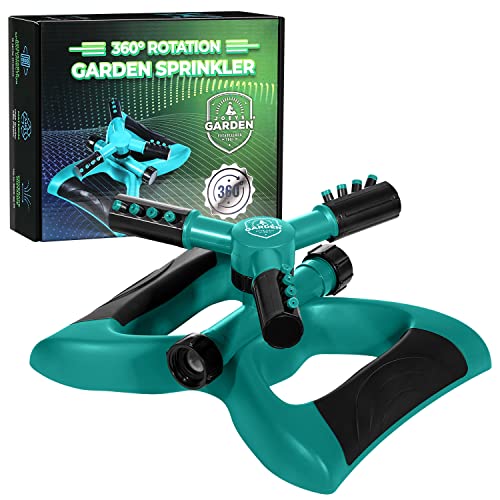
What the Joeys Garden 360 Rotating Sprinkler Does Well and Where It Falls Short
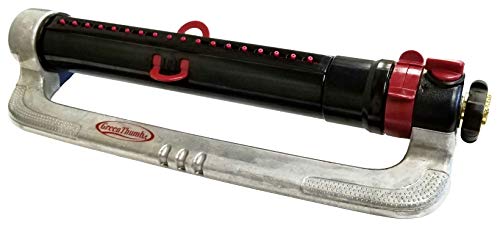
Green Thumb 4200MGT Metal Oscillating Sprinkler Reviewed for a 3900 Sq Ft Lawn

FXFOUCS 50 Ft Hybrid Garden Hose Review: Kink Resistant and Rated to a 700 PSI Burst

Real Hose Storage 4-Wheel Hose Reel Cart Review for a 250-Foot Hose

Gilmour Heavy Duty Graphite Fireman Nozzle Reviewed for 8 Spray Patterns and a Swivel Connect
