Correct tilling depth by crop and situation: why 6 to 8 inches works for most gardens, and when shallower or deeper tilling is better.
Most vegetable gardens should be tilled to a depth of 6 to 8 inches, which is deep enough to loosen the root zone for the majority of common crops without disturbing more soil life and structure than necessary. The right depth, though, depends on what you are planting, what your soil already looks like, and whether you are establishing a new bed or maintaining one.
Why 6 to 8 Inches Is the Standard Target
Most vegetable roots, including leafy greens, beans, peppers, and many root vegetables, do the bulk of their growing within the top 6 to 8 inches of soil. Tilling to this depth breaks up compaction, improves drainage, and creates an aerated zone that roots can expand into easily. Going shallower than this often leaves a hard layer just below the tilled zone that roots still struggle to penetrate, undermining much of the benefit of tilling in the first place.
This depth also happens to match what most consumer tillers are actually built to achieve. Front-tine tillers commonly top out around 6 to 8 inches in already-workable soil, while rear-tine tillers can push past that into the 8 to 10 inch range when the soil and tine configuration allow it, a difference explained further in our front-tine vs rear-tine tillers guide.
When Deeper Tilling Makes Sense
Deep-rooted vegetables benefit from extra depth. Crops like tomatoes, carrots, potatoes, and other root vegetables that need to expand well below the surface do better with tilling in the 10 to 12 inch range where practical, since a shallow tilled layer sitting on top of compacted or undisturbed soil can distort root shape or stunt growth, a well-documented issue with carrots and other taproot vegetables grown in insufficiently loosened ground.
New garden beds being established for the first time also often call for deeper initial tilling, since the goal is to break up years of undisturbed, potentially compacted subsoil in one thorough pass rather than relying on shallow annual maintenance tilling to gradually improve it. This is where a rear-tine tiller, covered in our best tiller for breaking new ground guide, earns its extra weight and cost.
When Shallower Tilling Is Actually Better
Not every situation calls for maximum depth. Shallow-rooted crops such as lettuce, spinach, and other quick-growing greens do fine with tilling in the 4 to 6 inch range, and tilling deeper than necessary for these crops simply disturbs more soil structure and beneficial soil organisms without a corresponding benefit to the plants.
Established garden beds that are tilled every season for maintenance rather than being newly created also generally do better with lighter, shallower passes, often just 4 to 6 inches, since the deeper soil structure was already broken up in prior seasons and repeated deep tilling at the same depth year after year can create a compacted layer at the bottom of the tilled zone, known as tillage pan or hardpan.
Reading Your Soil Before You Decide
Soil type changes the calculation as well. Clay-heavy soil often benefits from slightly deeper tilling combined with worked-in organic matter to address compaction throughout the root zone, detailed in our guide on tilling hard clay soil. Sandy soil, by contrast, drains and aerates easily on its own, so deep tilling offers less additional benefit and can sometimes worsen a sandy soil’s tendency to dry out quickly by disrupting what little structure it has.
How Tine Configuration Affects Achievable Depth
The tiller itself sets a practical ceiling on depth regardless of what a crop would ideally want. Tines set at a shallow angle or spaced closely together tend to till a shallower, more even layer, while deeper, more aggressive tine configurations found on larger rear-tine machines can reach further but require more power to do so consistently. Trying to force a lighter machine to till deeper than it is designed for usually just stalls the engine or bounces the tines along the surface rather than achieving real depth, so matching the equipment to the target depth matters as much as the target itself.
Measuring Depth Accurately While Tilling
It is easy to assume a tiller is reaching its rated depth when it is actually tilling shallower, especially in harder soil where the tines meet more resistance. Checking actual depth periodically with a small ruler or stake pushed into freshly tilled soil confirms whether the machine is achieving the depth intended, rather than relying on the tiller’s specifications alone. This is particularly useful when preparing a bed for deep-rooted crops, where an assumed 10 inch pass that is actually only reaching 6 inches would undercut the whole point of tilling deeper in the first place.
Bottom Line
Default to 6 to 8 inches for most vegetable gardens, go deeper for taprooted or deep-feeding crops and new beds, and stay shallower for leafy greens and seasonal maintenance tilling of an already-established bed. Once depth is settled, soil moisture at the time of tilling matters just as much, covered in our guide on whether you can till wet soil.
How we research
We compare published manufacturer specifications, official manuals, warranty information and recurring owner feedback. Rankings are research-based unless original YardToolLab test evidence is explicitly shown on the page.
FAQs
Most vegetable gardens are tilled to a depth of 6 to 8 inches, which covers the root zone of the majority of common crops like beans, peppers, and leafy greens. This depth also matches what most consumer tillers are built to reach in already-workable soil.
Yes. Deep-rooted or taprooted crops like carrots, potatoes, and tomatoes benefit from tilling in the 10 to 12 inch range where practical, since a shallow loosened layer sitting on undisturbed soil below it can distort root growth or stunt these crops.
Yes, tilling at the same depth repeatedly can create a compacted layer just below the tilled zone called tillage pan. Varying depth between seasons, and using shallower passes for maintenance tilling on already-established beds, helps avoid this problem.
Yes. Clay-heavy soil often benefits from slightly deeper tilling paired with added organic matter to address compaction throughout the root zone. Sandy soil already drains and aerates easily, so it needs less depth and can be harmed by unnecessarily deep, repeated tilling.
Related guides

LIKEPAY 10 Ft Cantilever Umbrella Reviewed: Offset Shade With an 8-Rib Frame

BLACK+DECKER BEHT150 17-Inch Hedge Trimmer Reviewed for Light Yearly Trimming
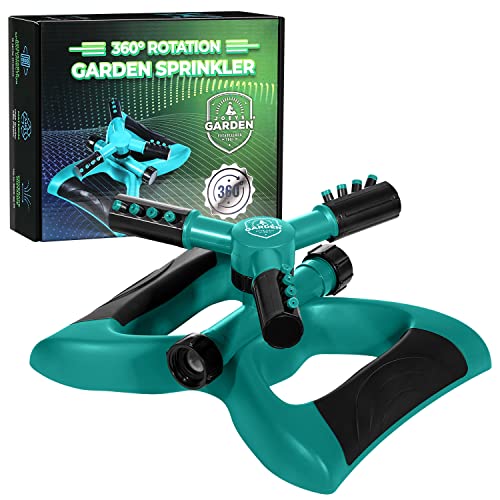
What the Joeys Garden 360 Rotating Sprinkler Does Well and Where It Falls Short
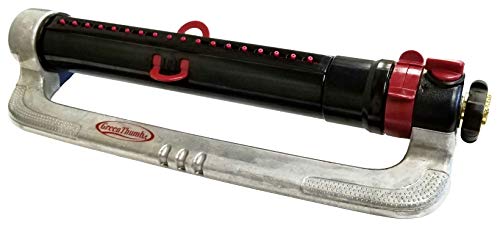
Green Thumb 4200MGT Metal Oscillating Sprinkler Reviewed for a 3900 Sq Ft Lawn

FXFOUCS 50 Ft Hybrid Garden Hose Review: Kink Resistant and Rated to a 700 PSI Burst

Real Hose Storage 4-Wheel Hose Reel Cart Review for a 250-Foot Hose

Gilmour Heavy Duty Graphite Fireman Nozzle Reviewed for 8 Spray Patterns and a Swivel Connect
