Compare how to connect two garden hoses using published specifications, manuals and owner feedback. See research-based findings, key trade-offs and practical.
Reaching a far corner of the yard often means joining two garden hoses into one longer run. Done correctly, the connection is watertight and reliable. Done poorly, it leaks, wastes water, and drops the pressure at the nozzle. This guide covers how to link two hoses cleanly, avoid leaks, and understand the trade-offs of a longer combined run.
Understand How the Ends Fit Together
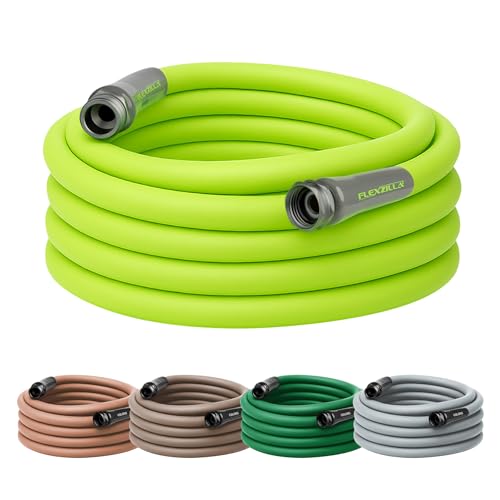
Every standard garden hose has a male end with exposed threads and a female end with a rotating collar. To join two hoses directly, the male end of one screws into the female collar of the other. This means you connect them end to opposite end, not two matching ends together. If both hoses present the same type of end where they meet, you will need an adapter or coupler, which our garden hose fittings guide describes in detail.
Check the Washer Before You Join
The seal at a hose-to-hose connection depends on a rubber washer seated inside the female collar. Look into the collar and confirm the washer is present, flat, and undamaged. A missing, torn, or flattened washer is the number one cause of leaks at a coupling, and replacing it is a matter of pennies. Keep a few spares with your hose supplies so you can swap one in whenever a connection starts to weep.
Line Up the Threads Carefully
Cross-threading is easy to do and hard to undo. Hold the two ends straight in line with each other and start the collar by turning it counterclockwise a half turn until you feel it drop into the thread, then reverse to tighten clockwise. Starting this way ensures the threads engage properly rather than biting at an angle. If it feels gritty or resists early, back off and start again rather than forcing it.
Hand-Tighten, Do Not Over-Crank
Tighten the collar firmly by hand until it seats against the washer and resists further turning. Hand pressure is almost always enough for a good seal. Reaching for pliers and cranking down harder tends to crush the washer or strip the threads, which makes leaks worse rather than better. If the connection leaks at hand-tight, the fix is usually a fresh washer, not more force.
Use a Coupler for Matching Ends
If you need to join two male ends or two female ends, a double-male or double-female coupler bridges them. Quick-connect couplers are another convenient option that let you snap hoses together and apart without threading each time. These are especially handy if you frequently reconfigure your setup. Choose brass couplers for durability where connections see heavy use.
Test the Joint Under Pressure
Turn the water on gradually and inspect the new connection for drips or spray. Flex the hose gently near the coupling to make sure it holds when the hose moves. A small leak usually means the washer needs replacing or the collar needs another partial turn. If it stays dry under full pressure, the joint is ready. For persistent seepage, our guide on how to fix a leaking garden hose covers the common washer and thread fixes.
Expect Some Pressure Loss
Every additional length of hose adds friction, so a combined run of two hoses delivers less pressure at the nozzle than a single short hose. The longer the total run, the more noticeable the drop. Using the shortest combination that reaches your target, and choosing a larger diameter hose, both help preserve flow. Our garden hose water pressure guide explains how length and diameter affect the pressure you feel at the end.
Support the Connection
Where two hoses meet, the coupling is a slightly rigid point that can strain if it is dragged over an edge or left hanging. Try to keep the joint resting on flat ground rather than bending sharply at a corner, which reduces stress on the threads and washer over time. A well-supported joint stays sealed longer and is less likely to work loose.
Connecting two hoses is simple once you match male to female ends, check the washer, start the threads straight, and tighten by hand. Test under pressure, expect a modest drop in flow over the longer run, and support the joint so it lasts. If you find yourself constantly chaining hoses to reach a distant area, a single longer hose from our best garden hoses roundup may serve you better than two shorter ones joined together.
How we research
We compare published manufacturer specifications, official manuals, warranty information and recurring owner feedback. Rankings are research-based unless original YardToolLab test evidence is explicitly shown on the page.