Compare garden hose reel not retracting using published specifications, manuals and owner feedback. See research-based findings, key trade-offs and practical.
A retractable hose reel is a convenience until it stops rewinding, leaving the hose in a pile on the ground. A reel that will not retract usually has one of a handful of causes: a tangled or kinked hose, a jammed guide, a locking mechanism stuck in place, or a worn spring in an automatic reel. This guide walks through diagnosing and fixing the most common problems so you can get the reel winding smoothly again.
Understand How Your Reel Rewinds
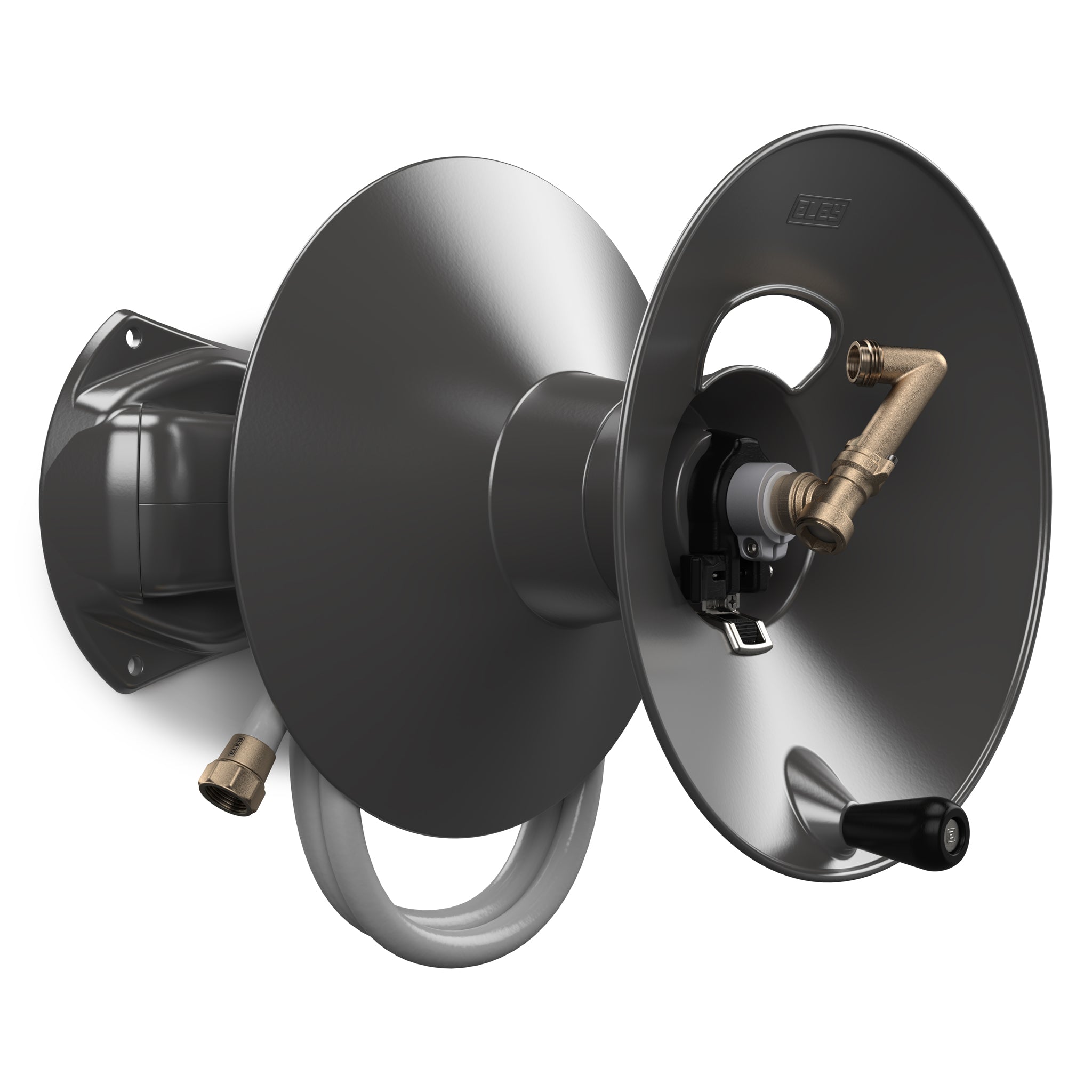
Reels retract in different ways. Manual reels rewind with a hand crank, spring-driven automatic reels pull the hose back on their own when you release a lock, and some cart reels combine a crank with a latch. Knowing which type you have tells you where to look. A manual reel that will not turn points to a mechanical jam, while an automatic reel that will not pull back points to the lock or the spring.
Clear Kinks and Tangles in the Hose
The most common reason a reel will not retract is the hose itself. A kink, twist, or tangle creates enough resistance to stop the drum from winding. Pull the hose all the way out and walk its length, straightening any folds and untwisting sections that have coiled on themselves. Feeding the hose back in evenly, without letting it bunch on one side of the drum, often solves the problem on its own. If your hose kinks constantly, our guide on why does my garden hose keep kinking covers the root causes.
Check the Guide and Rollers
Most reels feed the hose through a guide arm or a set of rollers. If debris, dirt, or a twisted hose jams this guide, the hose cannot move freely and the reel stalls. Inspect the guide for obstructions, clear any dirt or grit, and make sure the rollers turn freely. A guide that is bent or seized may need to be freed or replaced before the reel will retract smoothly.
Release a Stuck Lock on Automatic Reels
Spring-driven reels use a ratchet lock that holds the hose out so it does not retract while you work. To rewind, you give the hose a short, firm tug to release the ratchet, then let it feed back under spring tension. If the lock is stuck engaged, the hose will not budge. Pulling the hose out a little further and releasing it can reset the ratchet. If the mechanism is gummed up with dirt, cleaning it and applying a light lubricant often restores the release action.
Inspect the Retraction Spring
Automatic reels rely on a coiled spring to pull the hose back. Over time the spring can weaken, slip, or break, at which point the reel loses the tension needed to rewind. If the hose feeds in with no resistance and no pull, a failed spring is the likely cause. Some reels allow the spring to be re-tensioned by winding the drum a set number of turns according to the manufacturer instructions, while others require a replacement spring cartridge. Check your reel documentation before disassembling the housing, since a wound spring can release energy suddenly.
Look for Overloading and Mounting Problems
A reel has a capacity limit, and stuffing a longer or heavier hose onto it than it was designed for can overwhelm the retraction mechanism. Confirm your hose length and diameter suit the reel. Also check that a wall-mounted reel is firmly and squarely attached, since a reel that sags or tilts can bind the drum and prevent smooth winding.
Clean and Lubricate Moving Parts
Grit, corrosion, and old grease build up on the axle, ratchet, and guide over time, adding friction that stops the drum from turning easily. Wiping down the moving parts and applying a light silicone or dry lubricant to the axle and guide can free a sluggish reel. Avoid heavy, sticky oils that attract dirt and make the problem worse over time.
Prevent Future Reel Problems
Feeding the hose back slowly and evenly, draining it before winding so it is lighter and more flexible, and keeping the guide clean all extend the life of the mechanism. Storing the reel out of harsh weather protects the spring and moving parts. Our guide on how to store a garden hose covers reel-friendly storage habits. If the reel is beyond repair, pairing a new reel with a flexible, kink-resistant hose from our best garden hoses roundup gives you the smoothest retraction and the fewest jams going forward.
How we research
We compare published manufacturer specifications, official manuals, warranty information and recurring owner feedback. Rankings are research-based unless original YardToolLab test evidence is explicitly shown on the page.