Compare best metal garden hoses: stainless steel picks using published specifications, manuals and owner feedback. See research-based findings, key trade-offs.
Metal garden hoses, usually built from an interlocked stainless steel outer sheath, promise something traditional hoses struggle to deliver: near immunity to kinks, punctures, and the chewing of curious pets. They coil, they resist tangling, and they will not split when dragged across gravel. But stainless steel hoses come with their own trade-offs, and the marketing sometimes oversells them. This research-based guide explains what a good metal hose actually offers, which models are worth researching, and the specifications to check before you buy.
What Makes a Good Metal Garden Hose
A metal garden hose is not solid steel. It is a flexible inner tube protected by a helically wound stainless steel jacket. The steel exterior is what resists kinks, abrasion, and animal damage, while the inner liner carries the water. The quality of both layers matters.
A good metal hose uses 304-grade stainless steel for the outer sheath because it resists rust and corrosion far better than lower grades. The inner liner should be flexible and, ideally, made from a material the manufacturer documents as safe for garden use. Watch for the liner material specifically, since some budget metal hoses use a thin plastic tube that can degrade faster than the steel that surrounds it. Solid metal fittings, a strain-relief collar at each end, and a published pressure rating round out a well-made model. To understand how the steel-plus-liner design compares with rubber and polyurethane, see our garden hose materials guide.
Top Research-Based Picks
The recommendations below reflect published specifications and the general pattern of owner feedback, not a in-depth durability test by our team. Confirm the current spec sheet before buying.
304 stainless steel models. The strongest category of metal hose uses a 304-grade sheath. These are the ones worth prioritizing because the higher steel grade directly addresses the rust complaints that affect cheaper metal hoses. Look for brands that state the grade explicitly rather than just saying stainless steel.
Lightweight metal hoses with a documented liner. Some metal hoses emphasize a lighter overall weight and a flexible inner tube. These are a good fit for gardeners who found rubber hoses too heavy but still want the puncture resistance of a steel jacket.
Metal hoses with brass end fittings. Fittings are a frequent failure point on inexpensive metal hoses. Models that pair the steel sheath with solid brass couplings tend to seal better and survive repeated connect-disconnect cycles.
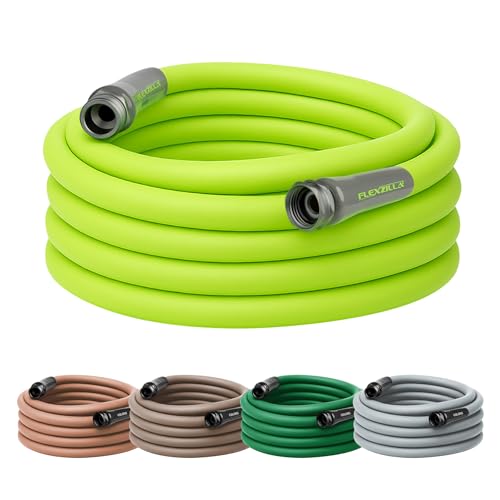
If you are cross-shopping metal against a lightweight non-metal option, a hybrid hose like the Zero-G lightweight hose or the flexible Flexzilla can be useful comparison points for weight and flexibility.
What to Look For
Steel grade. Prioritize 304 stainless steel for the outer sheath. It is the single best predictor of rust resistance and long-term appearance.
Inner liner material. The steel gets the attention, but the liner carries the water. Choose hoses that document the liner material, and if drinking-water safety matters, verify certification rather than trusting a generic safe claim.
Fittings and strain relief. Solid brass or metal couplings and a flexible collar where the fitting meets the hose reduce leaks and kinking at the ends, which is where metal hoses most often fail.
Diameter and length. Metal hoses are commonly sold in 1/2-inch and 5/8-inch diameters. Check our garden hose sizes guide to match diameter and length to the water pressure you need.
Heat and sun. A steel jacket can get hot in direct sunlight, so gloves and shaded storage are sensible.
How We Chose
Our picks are grounded in documented specifications, stated steel grades, warranty terms, and the balance of publicly available owner feedback. We favored hoses that specify 304 stainless steel, disclose their inner liner, and use solid metal fittings. We did not perform a controlled physical stress test, and we do not publish measurements we cannot source. This keeps the guidance honest: metal hoses genuinely excel at kink and puncture resistance, but they are not indestructible, and the cheapest examples can rust or leak at the fittings.
Frequently Asked Questions
Are metal garden hoses actually kink-proof? They are highly kink-resistant thanks to the rigid steel sheath, but the phrase kink-proof is marketing. The inner liner can still crimp at a tight bend, though far less easily than a rubber or vinyl hose.
Will a stainless steel hose rust? A 304-grade sheath strongly resists rust. Lower-grade or unspecified steel can develop surface rust over time, especially in humid or coastal climates.
Are metal hoses safe for drinking water? Only if the inner liner and fittings are certified for potable use. The steel jacket does not touch the water, so safety depends entirely on the liner. Always verify the certification.
Are they heavy? Metal hoses are often lighter than a comparable rubber hose because the steel sheath is thin, though this varies by model and length.
Can pets and lawnmowers damage them? The steel sheath resists chewing and abrasion far better than conventional hoses, which is one of the strongest reasons to choose metal.
To weigh metal against every other hose type, start with our main best garden hoses guide, and use the materials guide to decide whether a steel-jacketed hose or a lighter polymer hose suits your yard.
How we research
We compare published manufacturer specifications, official manuals, warranty information and recurring owner feedback. Rankings are research-based unless original YardToolLab test evidence is explicitly shown on the page.