Quick verdict
On a lawn under a quarter acre a manual core aerator does what a rented machine does, in an hour, on the paths and strips that actually compact. The LawnVigor three-tine is the core aerator to buy; the Dolibest four-tine catches the cores in a tray; the Walensee spike tool is for edges and spots before seeding. Aerate in fall on moist soil and leave the cores to break down.
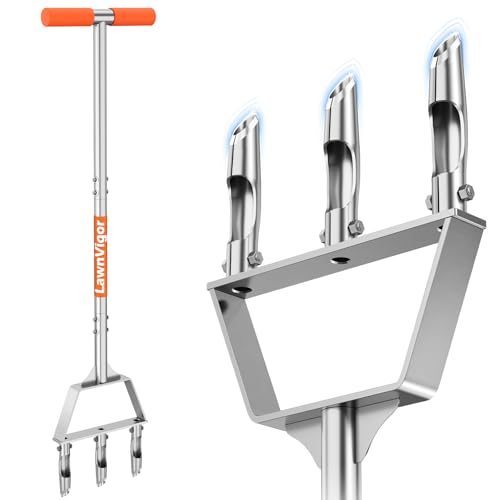
LawnVigor Manual Core Aerator with Hollow Tines
Core aeration pulls plugs of soil out, which relieves compaction in a way spikes cannot, and the LawnVigor three-tine core aerator does it by foot with heat-treated hollow tines designed not to clog, a non-slip handle at a height that spares the back and a steel build made for years. On a small lawn it aerates the compacted paths and the front strip in an hour.
The best manual lawn aerators for small yards: LawnVigor 3-tine core aerator, Dolibest 4-tine core aerator with collection tray and Walensee 20-spike aerator, compared on cores versus spikes, effort and build.
The picks at a glance
| Tool | Best for | Score /100 | |
|---|---|---|---|
| LawnVigor Manual Core Aerator with Hollow Tines | Best Core Aerator for Small Lawns | 8.8 | Check price |
| Dolibest Manual Core Aerator with 4 Stainless Tines and Core Tray | Best for Collecting the Cores | 8.6 | Check price |
| Walensee 4-Row Spike Lawn Aerator with 20 Steel Spikes | Best Spike Tool for Edges and Spots | 8.0 | Check price |
The picks, reviewed
LawnVigor Manual Core Aerator with Hollow Tines
Core aeration pulls plugs of soil out, which relieves compaction in a way spikes cannot, and the LawnVigor three-tine core aerator does it by foot with heat-treated hollow tines designed not to clog, a non-slip handle at a height that spares the back and a steel build made for years. On a small lawn it aerates the compacted paths and the front strip in an hour.
Reasons to buy
- Hollow tines pull real cores
- Non-clogging tine design
- Comfortable handle height
- Steel build
Reasons to avoid
- Three tines is slow on a big lawn
- Hard going in dry clay
- Cores must be raked or left

Dolibest Manual Core Aerator with 4 Stainless Tines and Core Tray
Four stainless steel hollow tines pull more plugs per step than three, and the Dolibest adds a stainless tray that catches the cores so they can be composted rather than left on the lawn or raked up. The rubber grip and elevated handle spare the hands and back.
Reasons to buy
- Four 304 stainless tines
- Core collection tray
- Rust-proof tines
- Rubber grip
Reasons to avoid
- Tray fills fast
- Heavier
- Costs more

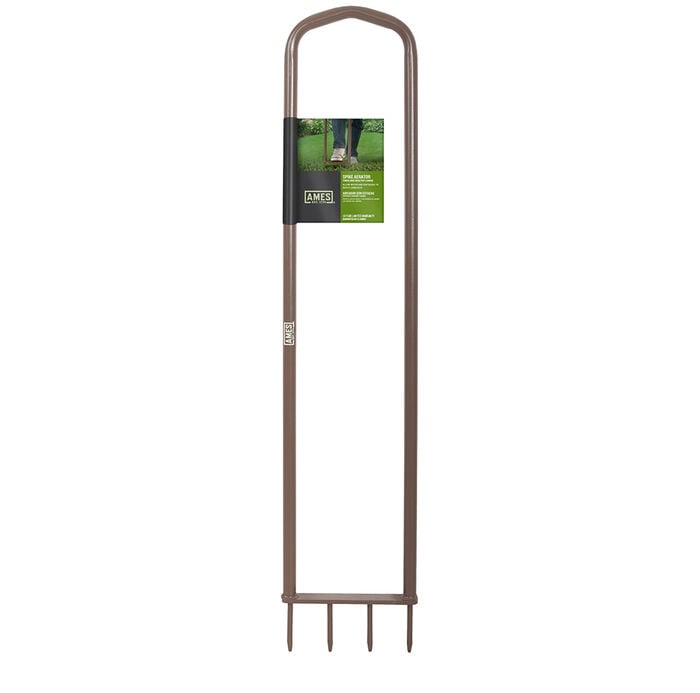
Walensee 4-Row Spike Lawn Aerator with 20 Steel Spikes
Spikes do not relieve compaction the way cores do, but a four-row spike aerator with 20 steel spikes 2.8 inches long punches drainage holes fast along edges, borders and the bare spots where a core aerator is overkill. Walensee designed it for small lawns and targeted aeration before seeding and feeding.
Reasons to buy
- 20 spikes aerate fast
- Good for edges and spots
- Light
- Low price
Reasons to avoid
- Spikes compact around the hole
- No cores removed
- Shallow on hard ground
Why small lawns suit manual aeration
A quarter-acre lawn does not compact evenly. The paths to the shed and the gate, the strip by the driveway and the spot under the swing get walked and parked on and go hard; the rest is fine. A rented core aerator does the whole lawn in a loud hour and costs a morning. A manual core aerator does the hard parts in the same hour, on a Saturday in fall, for the price of the tool, and it is the right choice for any lawn small enough to walk in ten minutes. The three tools here are two core aerators and a spike tool for the edges.
This guide is built from the published specifications of each tool and from recurring owner feedback. We have not run these tools ourselves.
How the three compare
| Aerator | Type | Tines | Cores | Best for |
|---|---|---|---|---|
| LawnVigor | Core, foot step | 3 hollow steel | Left on lawn | Compacted paths and strips |
| Dolibest | Core, foot step | 4 hollow stainless | Caught in tray | Tidy lawns, compost |
| Walensee spike | Spike, foot step | 20 steel spikes | None | Edges, spots, pre-seeding |
LawnVigor: the core aerator to buy
The LawnVigor pulls three plugs per step with heat-treated hollow tines shaped so the previous core pushes out as the next goes in, which is the difference between a tool that works and one that clogs on the third step. The handle sits at a height that lets the user push with a foot and rock with the arms upright, and the whole tool is steel. On moist soil it aerates a compacted path at a plug every few inches in a steady rhythm.
Dolibest: four tines and a tray
The Dolibest adds a fourth tine, in 304 stainless so it never rusts, and a stainless tray on the frame that catches the cores as they eject. For a lawn that is kept tidy the tray means no plugs on the grass and a bucket of soil for the compost. The rubber grip and raised handle are comfortable; the tray fills every few dozen steps and is tipped out.
Walensee spike: edges and spots
Spiking does not relieve compaction, because the spike pushes soil aside and compacts the hole wall, but it punches drainage and seed holes fast, and the Walensee four-row tool with 20 steel spikes 2.8 inches long does a border, a bare patch or a lawn edge in minutes before seeding and feeding. It is light and cheap and the right tool for that job, not for a compacted path.
Aerating a small lawn well
Aerate in early fall for cool-season grass or late spring for warm-season, the day after rain or a deep watering, when the soil is moist but not muddy. Work the compacted areas first, with plugs every three or four inches, and skip the parts that are soft. Leave the cores to break down or tray them for compost. Overseed and topdress with a quarter inch of compost straight after, while the holes are open, and keep the seed watered.
Which one should you buy
Buy the LawnVigor for a core aerator that does not clog. Buy the Dolibest to catch the cores for compost. Buy the Walensee spike tool for edges and bare spots before seeding.
How we research
This guide is built from the published specifications, manuals and warranty terms of each product and from recurring owner feedback. We have not run these products ourselves; where a maker does not publish a figure we say so rather than guess.
What to look for
Core over spike
Hollow tines remove soil and relieve compaction. Spikes push soil aside and compact the hole wall.
Tine count
Three or four tines per step suits a small lawn; fewer is slow, more is hard to push in.
Handle height
A foot-step aerator is pushed in and rocked out hundreds of times. A tall handle saves the back.
Soil moisture
Any manual aerator works only in moist soil. Water the day before or wait for rain.
Our verdict
On a lawn under a quarter acre a manual core aerator does what a rented machine does, in an hour, on the paths and strips that actually compact. The LawnVigor three-tine is the core aerator to buy; the Dolibest four-tine catches the cores in a tray; the Walensee spike tool is for edges and spots before seeding. Aerate in fall on moist soil and leave the cores to break down.
FAQs
For a lawn under a quarter acre, aerating the compacted areas by hand each fall matches what a rented machine does, with no rental.
Core. Spikes punch holes but compact the soil around them; cores remove soil and open it. Spikes suit quick spot work before seeding.
Early fall for cool-season grass, late spring for warm-season, always on moist soil after rain or watering.
Leave them to break down in a week or two, or rake them into a tray and compost them. Topdress with compost after.