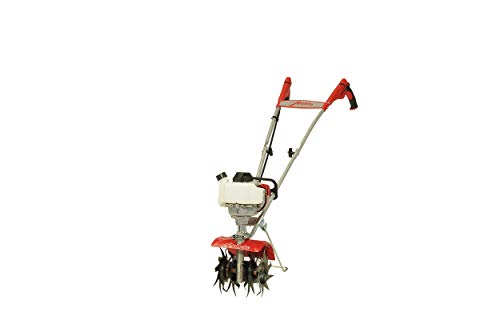
Quick verdict
A 209cc rear tine tiller sold on engine size rather than detail: the maker states a 7HP OHV four-stroke, a centrifugal clutch and hardened steel tines, but not the tilling width, depth or weight. It suits a buyer breaking new ground on a budget who will confirm those figures with the seller first. The caveat is parts and warranty support from a lesser-known brand.
Strengths
- 200cc-class OHV four-stroke engine, the standard size for a rear tine tiller
- Centrifugal friction clutch engages smoothly with throttle
- Hardened steel tines
- Adjustable tilling width and depth
- Clear fuel and oil guidance from the maker
Weaknesses
- Tilling width, depth and weight are not stated in the listing
- Tine rotation direction is not stated
- No warranty term in the listing
- Lesser-known brand for long-term parts support
The overall YardToolLab Score is out of 100. Section scores are out of 10.
Who this tiller is for
A rear tine tiller is the machine for breaking new ground: a 30 by 40 foot vegetable plot in packed clay, a lawn being converted to beds, or a market garden that gets turned twice a year. The SuperHandy rear tine tiller puts a 209cc gas engine, rated by the maker at 7HP, behind a set of hardened steel tines, and it is aimed at buyers who want that class of power without paying for a Troy-Bilt or a Husqvarna. The listing is thin on the figures that normally decide a tiller purchase, and this review says so where it matters.
This review is based on the maker’s published specifications and on recurring owner feedback. We have not run this product ourselves.
What you get
The machine arrives as a rear tine tiller with a 209cc OHV four-stroke engine, a centrifugal friction clutch, hardened steel tines and adjustable tilling width and depth. That is the full list of hard specifications in the listing. The maker says the width varies by model and does not give an inch figure, a depth figure, a weight, a tine rotation direction or a wheel size. Rear tine tillers in this engine class typically till about 16 to 18 inches wide and 6 to 10 inches deep, and that is a fair expectation, but confirm the numbers on the product page or with the seller before ordering. Fuel is 87 octane with 10 percent ethanol or less, and the engine takes SAE 30 or 10W-30 oil. Oil is not listed as included, which is normal for a shipped gas engine.
Tilling power
A 209cc engine is the standard size for a mid-range rear tine tiller and is plenty for the job. The 7HP figure is the maker’s rating; the same displacement is often sold at 6.5HP by other brands, so think of it as a 200cc-class engine rather than counting horsepower. In practice that engine, on either counter-rotating or standard-rotating tines, will chew through sod and hard clay in two or three passes, going deeper on each one. The centrifugal clutch means the tines and wheels engage as the throttle comes up and drop out at idle, which makes starts and stops smoother than a belt tensioner. What the listing does not say is whether the tines rotate forward or counter to the wheels, and that matters: counter-rotating tines bite harder into unbroken ground, standard rotation leaves a finer seedbed. Ask before buying if you have sod to break.
Depth and width adjustment
The maker states that depth and width are adjustable but gives no range. On most rear tine tillers depth is set by a drag bar with several notches, and width by removing the outer tines. Expect the same here. Owners of budget rear tine tillers in general report that the first pass through hard ground is a shallow one and the machine walks forward on top of the soil until it finds purchase; set the drag bar deep, lean back on the handles and let the tines pull, then take a second pass at full depth.
Build, handling and ergonomics
Hardened steel tines and a steel frame are what you would expect, and a rear tine tiller of this size typically weighs well over 100 pounds, which is what keeps it in the ground. That weight is also the handling story: a rear tine tiller drives itself forward on its wheels, so steering is a matter of guiding rather than pushing, but turning at the end of a row takes some effort and the machine does not fit in a car trunk. The listing shows handlebars but does not state whether they adjust for height or swing to the side, so a tall or short operator should ask. SuperHandy sells a range of budget outdoor power equipment under its own name, and the recurring complaint across that range is uneven assembly quality out of the box; check every bolt, the tine pins and the oil level before the first start.
Living with it
Four-stroke upkeep is routine: change the oil after the first few hours and then once a season, keep the air filter clean, and run the carburetor dry or add stabilizer before winter storage, because the maker specifies low-ethanol fuel for a reason. Tines wear; sharpen or replace them when the soil starts to pack instead of crumble. The listing does not state a warranty term, so read the product page and SuperHandy’s own site before buying. Parts support for a lesser-known brand is the long-term risk with this purchase, more than the machine itself.
Alternatives to Consider
The Earthquake 31285 Pioneer dual-direction rear tine tiller publishes a 17-inch width and 11-inch depth, switches between counter and standard rotation and has an instant reverse, which makes it the better-documented choice for a home garden even with its smaller 99cc engine. The Champion 19-inch dual-rotating rear tine tiller sits in the same 200cc class and comes from a brand with a long parts network. If the ground is already worked and you only need to turn it each spring, the Tazz 35310 front tine tiller is lighter, cheaper and easier to store.
Verdict
Buy the SuperHandy 7HP rear tine tiller if you need a 200cc-class rear tine machine for breaking ground, you are comfortable confirming width, depth and tine rotation with the seller, and you accept a lesser-known brand for the sake of the price. Skip it if you want a documented spec sheet and a known warranty, in which case the Earthquake or Champion rear tine tillers are the safer money.
Full specifications
SuperHandy Rear Tine Tiller Cultivator with 7HP 209cc OHV Engine and Hardened Steel Tines FAQs
The listing does not give a figure; the maker says the width varies by model. Rear tine tillers with 200cc-class engines typically till about 16 to 18 inches wide. Confirm the number on the product page or with the seller before ordering.
The listing does not say. Counter-rotating tines bite harder into sod and hard clay, standard rotation leaves a finer seedbed. If you have lawn to break, ask the seller which this model uses.
The maker specifies 87 octane gasoline with 10 percent ethanol or less and SAE 30 or 10W-30 API-certified engine oil. Oil is not listed as included, so buy a quart before it arrives.
Yes. A rear tine tiller drives its wheels as well as its tines, and the centrifugal friction clutch engages both as the throttle comes up and releases at idle, so the operator guides rather than pushes.