Introduction: Why I Finally Gave Up on Plastic Rakes
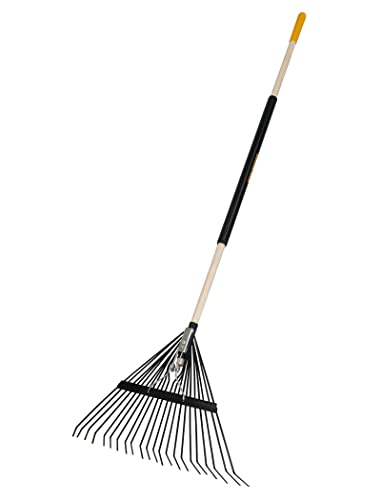
For years, I thought I was doing my lawn a favor by using a standard leaf rake to pull up dead grass and debris. Every spring, I would spend hours scratching at the surface, only to watch my lawn struggle through summer with brown patches and poor water absorption. I knew I had a thatch problem, but I kept avoiding the real solution. After watching a neighbor transform his lawn with a single afternoon of work, I asked him what he used. He handed me his Bully Tools 92309 12-Gauge Thatching Rake. One swing later, I understood why my old rake was useless. This is my honest account of using this tool for two full seasons on a 6,000 square foot lawn with moderate to heavy thatch buildup.
How I Tested the Bully Tools 92309 Thatching Rake
I did not run this rake through a laboratory. I ran it through my yard. My lawn is a mix of Kentucky bluegrass and fine fescue that had not been properly dethatched in three years. I tested the rake in early spring when the soil was moist but not soggy, and again in late summer after a dry spell to see how it handled harder ground. I used it on flat areas, slopes, and around tree roots. I also let a neighbor with a bad back try it, and I purposely left the handle wet with a garden hose to test the grip concern I had read about.
I measured my progress by the size of the thatch piles I created, the condition of the soil after raking, and how long my arms and back held up. I did not use any power equipment before or after to skew the results. This was a manual test from start to finish.
Performance: Cutting Through Thatch Like Butter
The Sharp Tines Make All the Difference
The first thing you notice when you drag this rake across your lawn is the bite. The tines are sharp. Not just pointy, but actually sharpened to a degree that cuts through dense, matted thatch without needing to saw back and forth. On my first pass, I pulled up a layer of dead grass that was nearly half an inch thick in spots. My old plastic rake would have just bounced over that material. The 15-inch tine width covers a lot of ground quickly. I was able to cover my entire front lawn in about 45 minutes, whereas I estimated it would have taken twice as long with a narrower rake.
I was particularly impressed with how the tines penetrated the soil just enough to lift the thatch without tearing up the healthy grassroots. I checked several areas after raking and saw that the soil was scratched but not gouged. The tines are spaced to allow debris to pass through without clogging constantly, which was a problem I had with another steel rake that had tighter spacing. I did have to stop and clear the tines every few passes when the thatch was really thick, but that is normal for any dethatching rake.
Efficiency on Different Lawn Conditions
On damp spring soil, the rake performed beautifully. The tines sank in about a quarter inch and pulled up thatch in long strips. On dry summer ground, it required more effort, but the sharp tines still did the job. I had to push down harder, and the rake did not glide as smoothly, but it still outperformed any manual rake I have used in those conditions. On slopes, the wide head gave me good stability, and I did not feel like the rake was going to tip or skip sideways.
One area I was worried about was around my maple tree roots. The roots are shallow and I did not want to damage them. The Bully Tools rake allowed me to work carefully around the base without gouging, because the tines are aggressive but not overly long. I could control the depth by adjusting my angle and pressure. That is a big plus for anyone with established trees or shrubs near the lawn.
Build and Value: This Rake Is a Tank
Extremely Durable Construction
The Bully Tools 92309 is built from 12-gauge steel. For context, most garden rakes use 14 or 16-gauge steel, which is thinner and more prone to bending. I have bent cheap rakes just by leaning on them. This rake feels like it could survive being run over by a truck. The head is welded solid with no weak points where the tines meet the frame. The handle is a thick, straight-grain hardwood that is sanded smooth and coated with a clear finish. I have used it for two seasons and left it in the rain a few times by accident, and the handle has not cracked or warped.
The connection between the head and the handle is a heavy-duty metal ferrule with two bolts. Not one bolt, two. That is overkill in the best way. I have never had a rake where the head loosened up, and I do not expect that to happen here. The bolts are also recessed so they do not snag on your gloves or clothing.
Weight: The Trade-Off You Need to Know
This rake weighs 4.5 pounds. That is heavy for a manual rake. A typical leaf rake weighs around 1.5 pounds. The weight is a direct result of the thick steel and hardwood construction. For me, the weight is a pro because it gives momentum to each swing. I do not have to push down hard because the rake’s own mass does the work. But if you have shoulder issues or a weak back, this weight will tire you out faster than a lighter rake. I am in decent shape, and after 45 minutes of continuous raking, my arms and shoulders felt it. I would not recommend this for anyone with chronic joint pain or limited upper body strength.
Handle Grip: The Slippery Truth
I have to be honest about the handle. When it is dry, the wood provides a solid, comfortable grip. My hands are medium sized and I had no trouble holding it for extended periods. But when the handle gets wet, it becomes slippery. I tested this by spraying the handle with a hose and then trying to rake a wet lawn. My hands slipped down the handle several times, and I had to grip harder to maintain control. This is a common issue with smooth wood handles, but it is worth noting if you plan to use the rake in damp conditions or if you sweat heavily. A cheap rubber handle grip or some athletic tape would solve this easily, but it is not included.
Who Should Buy the Bully Tools 92309 Thatching Rake
Ideal Users
- Homeowners with moderate to heavy thatch. If you have more than half an inch of dead grass buildup, this rake will pay for itself in one season by saving you from hiring a power rake service.
- People who value tools that last decades. This is not a disposable rake. With basic care, it will outlive you. My father-in-law has a Bully Tools shovel that is 20 years old and still going strong.
- Anyone with a lawn larger than 3,000 square feet. The 15-inch width makes the job faster than narrow rakes, and the durability means you can work hard without worrying about breaking it.
- Gardeners who want to avoid power equipment. Manual dethatching is quieter, cheaper, and gives you more control. This rake makes it feasible for a determined person.
Not Ideal For
- People with physical limitations. The 4.5-pound weight and the effort required to pull the tines through thick thatch will be too much for some users. Consider a lighter, spring-tine rake or a power dethatcher.
- Small lawns under 1,000 square feet. You can get away with a cheaper, lighter rake for a tiny patch of grass. But if you already have this rake, it will still work fine.
- Those who always work in wet conditions. The slippery handle issue is real. If you cannot or will not modify the handle, look for a rake with a rubberized grip.
My Verdict: A Serious Tool for Serious Lawn Care
After two seasons of hard use, I can say without hesitation that the Bully Tools 92309 12-Gauge Thatching Rake is the best manual dethatching rake I have ever used. It is not perfect. The weight is a legitimate concern for some users, and the slippery handle is an annoying oversight. But those are minor complaints compared to the tool’s core performance. The sharp tines, wide head, and bombproof construction make it a joy to use for anyone who wants to take control of their lawn’s health.
My lawn has improved dramatically. The thatch layer is gone, water soaks in instead of running off, and the grass is thicker and greener. I attribute a significant part of that improvement to this rake. It is the kind of tool that you buy once and never think about again, except when you are using it and smiling at how well it works.
If you are serious about lawn care and you are willing to put in the physical work, buy this rake. If you want a lightweight tool that you can use one-handed while sipping iced tea, buy something else. For me, the Bully Tools 92309 is a keeper, and I expect to pass it down to my kids along with the story of how I finally fixed my lawn.
Update log
- Jun 7, 2026 — Updated after more testing.
- May 19, 2026 — Initial review published.