Summer mowing height varies by grass type. See the correct range for cool and warm season lawns and why raising the deck protects grass in heat.
Summer is the one season where raising the cutting height, rather than lowering it, protects the lawn. Taller grass shades the soil, reduces surface evaporation, and grows a deeper root system, all of which help turf survive heat and limited rainfall. The exact target height depends on which type of grass is in the lawn, since cool season and warm season species tolerate very different ranges.
Cool Season Grasses
Kentucky bluegrass, tall fescue, and perennial ryegrass are cool season species that struggle most in summer heat. For these, raise the mower to the top of its normal range during the hottest months. Kentucky bluegrass generally does best at 2.5 to 3.5 inches, moving toward the upper end in summer. Tall fescue tolerates heat better than bluegrass but still benefits from a summer height of 3 to 4 inches. Perennial ryegrass is usually kept at 2 to 3 inches, and pushing toward 3 inches in summer reduces heat stress. The taller canopy shades the crown of the plant, which is the growing point just above the soil, and a shaded crown stays cooler and loses less moisture.
Warm Season Grasses
Bermuda, zoysia, and St. Augustine are warm season species that are actively growing and at their most vigorous during summer, so they are handled differently. Common bermuda is typically mowed at 1 to 2 inches, and hybrid bermuda used on finely maintained lawns can go even lower with a reel mower. Zoysia generally sits in the 1 to 2 inch range as well, though some coarser zoysia cultivars tolerate up to 2.5 inches. St. Augustine is the exception among warm season grasses and actually prefers a taller cut, generally 2.5 to 4 inches, since its broad leaf blades and shallow root system make it more prone to scalping and heat stress at low heights.
Why Scalping Is Especially Damaging in Summer
Cutting grass too short at any time of year removes leaf tissue the plant needs for photosynthesis, but the effect is magnified in summer heat. A scalped lawn loses its shade canopy right when soil temperatures are highest and evaporation is fastest, which pushes the turf into drought stress even if watering has not changed. Scalped crowns are also more exposed to direct sun, and in warm season grasses this can trigger a stress response that shows up as yellowing or thinning within days. Weed pressure typically increases after scalping as well, since bare or thin turf gives weed seeds the light and open soil they need to germinate.
Adjusting the Deck Correctly
Most walk behind mowers have a height adjustment lever near each wheel or a single lever that raises all four wheels together. Set the height by measuring from the ground to the blade tip rather than trusting the marked notches alone, since deck height numbers can drift slightly with tire wear or deck leveling issues. It helps to check the actual cut height on a flat section of lawn immediately after mowing, using a ruler pressed into the turf, and adjust from there if the result does not match the target range for your grass type.
Combining the right summer height with the correct mowing frequency matters as much as the height alone. See how often you should mow your lawn for how to pace mowing intervals as growth slows in the heat. If clippings begin clumping on the surface once the deck is raised for summer, that is usually a deck or blade issue rather than a height problem, covered in why grass clumps under a mower deck.
Matching the Mower to the Job
A taller summer cutting height puts more load on the mower, since the blade is moving through a larger volume of grass and clippings per pass, particularly in a lawn that is already thick or has grown tall between mows. If bogging down or uneven cutting becomes a recurring problem once the deck is raised, it is worth checking whether the mower itself is underpowered for the job, as covered in our best lawn mower for thick grass guide.
When to Lower the Height Again
Once temperatures moderate in early fall, cutting height can be gradually brought back down toward the normal range for the grass type. For warm season lawns heading into dormancy, a lower final cut or two before winter helps reduce matting and disease risk over the dormant season, while cool season lawns can generally stay at their standard height through fall.
How we research
We compare published manufacturer specifications, official manuals, warranty information and recurring owner feedback. Rankings are research-based unless original YardToolLab test evidence is explicitly shown on the page.
FAQs
No. Cutting shorter in summer increases stress and water loss and does not meaningfully reduce how often you need to mow, since growth rate is driven mainly by temperature, sunlight, and moisture rather than the height the grass is cut to. Raising the deck instead protects the root system while keeping the lawn looking neat.
St. Augustine generally does best at 2.5 to 4 inches, and unlike most other warm season grasses it prefers the taller end of its range in summer rather than a low cut, since its shallow root system and broad blades make it prone to scalping stress.
Yes, a taller canopy shades the soil surface and reduces evaporation, which can measurably lower how quickly a lawn dries out between waterings. It is one of the simplest ways to reduce summer water stress without changing the irrigation schedule or adding equipment.
Scalping typically shows up as patches of brown, tan, or straw colored stubble where the mower cut below the green leaf tissue into stems or thatch. It often follows an uneven pattern across low spots or bumps in the yard rather than covering the entire lawn evenly.
Related guides

LIKEPAY 10 Ft Cantilever Umbrella Reviewed: Offset Shade With an 8-Rib Frame

BLACK+DECKER BEHT150 17-Inch Hedge Trimmer Reviewed for Light Yearly Trimming
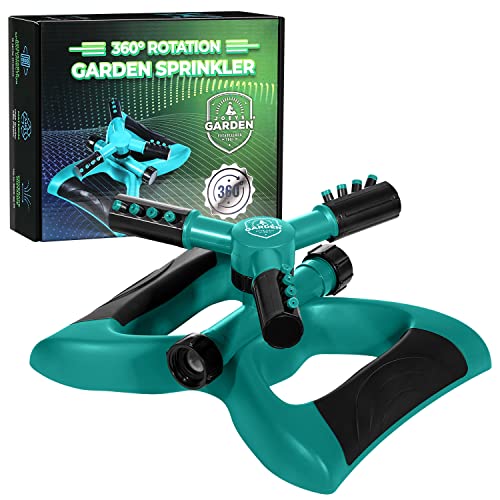
What the Joeys Garden 360 Rotating Sprinkler Does Well and Where It Falls Short
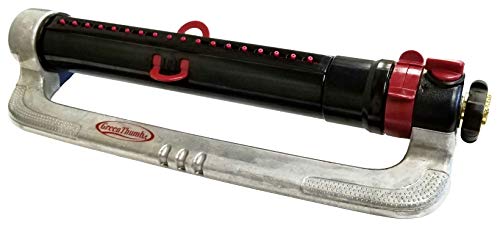
Green Thumb 4200MGT Metal Oscillating Sprinkler Reviewed for a 3900 Sq Ft Lawn

FXFOUCS 50 Ft Hybrid Garden Hose Review: Kink Resistant and Rated to a 700 PSI Burst

Real Hose Storage 4-Wheel Hose Reel Cart Review for a 250-Foot Hose

Gilmour Heavy Duty Graphite Fireman Nozzle Reviewed for 8 Spray Patterns and a Swivel Connect
