The real differences between full-chisel and semi-chisel chainsaw chains, and which cutter type suits your typical cutting.
Full-chisel and semi-chisel describe the shape of the cutting corner on each tooth of a chainsaw chain, and that shape has a real, measurable effect on cutting speed and how well the chain holds an edge in different conditions. Neither type is universally better; the right choice depends on what and where you typically cut.
What full-chisel cutters look like and do
Full-chisel cutters have a square, sharp-cornered profile, similar to a chisel’s straight edge. That square corner slices through wood fibers aggressively and produces the fastest cutting speed of the two designs in clean wood. Full-chisel chains are the standard choice for professional loggers and anyone cutting large volumes of clean, debarked, or freshly felled timber where speed matters and the wood is unlikely to contain grit or debris.
The tradeoff with full-chisel chains
That same square corner is more fragile than a rounded one. When a full-chisel cutter contacts dirt, embedded bark grit, frozen wood, or any hard debris, the sharp corner chips or dulls quickly, and once that corner is damaged the cutter loses much of its cutting efficiency until it is reground. This makes full-chisel a poor match for firewood processing from downed or ground-contact wood, storm cleanup where debris contamination is common, or any situation where the wood source is unpredictable.
What semi-chisel cutters look like and do
Semi-chisel cutters have a rounded corner instead of a square one. That rounded profile cuts slightly slower than full-chisel in clean wood, but it is far more resistant to dulling when it contacts dirt, bark grit, or harder and dirtier wood conditions generally. Because the rounded corner is inherently more durable, semi-chisel chains hold a usable edge for longer between sharpenings under mixed or unpredictable cutting conditions, which describes the majority of homeowner and general yard work.
Which type fits typical yard and firewood use
For most homeowners cutting firewood, doing storm cleanup, or handling general yard maintenance where the wood may have been on the ground, has embedded bark, or is not perfectly clean, semi-chisel is the more practical everyday choice. The modest speed difference in clean wood is rarely noticeable in typical yard-scale cutting sessions, while the improved resistance to dulling from real-world debris saves time and sharpening effort over a season of use. Full-chisel remains the better choice specifically for cutting clean, debarked timber in volume, such as milling operations or professional felling of freshly cut trees where wood cleanliness is controlled.
How this choice interacts with fit
Cutter type, full-chisel or semi-chisel, is independent of pitch and gauge, which determine whether a chain physically fits your bar and sprocket. You can generally find both cutter types available in the same pitch and gauge combination for a given saw, so choosing between them does not limit your options on fit. If you have not yet confirmed your saw’s pitch and gauge, see our guide to chainsaw pitch and gauge before shopping for a specific chain, and our guide on finding the right replacement chain for the full process including drive link count.
Maintenance differences between the two
Semi-chisel’s rounded profile is also somewhat easier to hand-file consistently, since the rounded corner is more forgiving of small filing angle variations than the precise square corner a full-chisel cutter needs to maintain its edge geometry. This makes semi-chisel a reasonable default recommendation for anyone newer to hand sharpening, in addition to its durability advantage in typical yard conditions. Full-chisel chains reward more careful, consistent filing technique to preserve the sharp square corner that gives them their speed advantage, and a poorly filed full-chisel cutter can lose much of its performance edge over a rounded semi-chisel cutter filed to the same rough standard.
When shopping for either type, this roundup of chainsaw chains covers current options across both cutter profiles, and confirming pitch, gauge, and drive link count remains the first step regardless of which cutting style you choose.
A simple way to decide between the two
If you cannot remember the last time your chain touched dirt, bark grit, or anything other than clean wood, full-chisel is a reasonable choice and will reward you with faster cutting. If your typical cutting involves firewood rounds picked up off the ground, storm cleanup, fence-line clearing, or any wood you did not personally fell and trim yourself, semi-chisel is the safer default, since you cannot always be certain how clean that wood really is until the chain has already made contact with it. Many owners who do a mix of both simply keep a semi-chisel chain as their everyday option and reserve a full-chisel chain for known clean-wood jobs where its extra speed is worth the added care needed to protect the edge.
How we research
We compare published manufacturer specifications, official manuals, warranty information and recurring owner feedback. Rankings are research-based unless original YardToolLab test evidence is explicitly shown on the page.
FAQs
Full-chisel cuts faster in clean wood due to its square, aggressive cutting corner. Semi-chisel is slightly slower in clean conditions but holds its edge far longer when the wood is dirty, has embedded bark grit, or is generally less predictable.
Semi-chisel is generally the better choice for firewood, since wood from downed trees or ground contact often carries dirt and grit that quickly dulls the more fragile square corners of a full-chisel chain.
Full-chisel dulls faster when it contacts dirt, bark grit, or hard debris, because its sharp square corner is more fragile. Semi-chisel's rounded corner resists that kind of damage better and holds a usable edge longer under mixed conditions.
Yes, as long as the pitch, gauge, and drive link count match your bar and sprocket. Cutter type is independent of fit measurements, so most saws can run either chain type without any other modification.
Related guides

LIKEPAY 10 Ft Cantilever Umbrella Reviewed: Offset Shade With an 8-Rib Frame

BLACK+DECKER BEHT150 17-Inch Hedge Trimmer Reviewed for Light Yearly Trimming
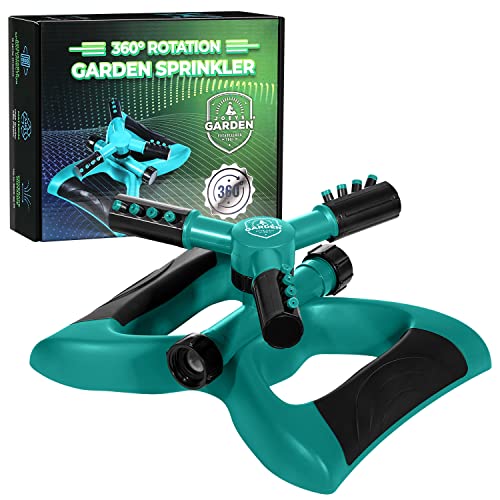
What the Joeys Garden 360 Rotating Sprinkler Does Well and Where It Falls Short
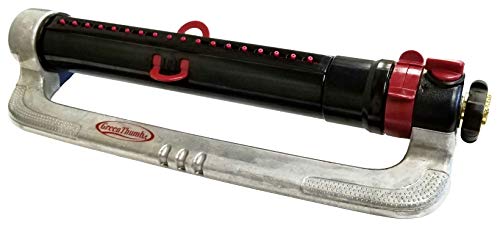
Green Thumb 4200MGT Metal Oscillating Sprinkler Reviewed for a 3900 Sq Ft Lawn

FXFOUCS 50 Ft Hybrid Garden Hose Review: Kink Resistant and Rated to a 700 PSI Burst

Real Hose Storage 4-Wheel Hose Reel Cart Review for a 250-Foot Hose

Gilmour Heavy Duty Graphite Fireman Nozzle Reviewed for 8 Spray Patterns and a Swivel Connect
