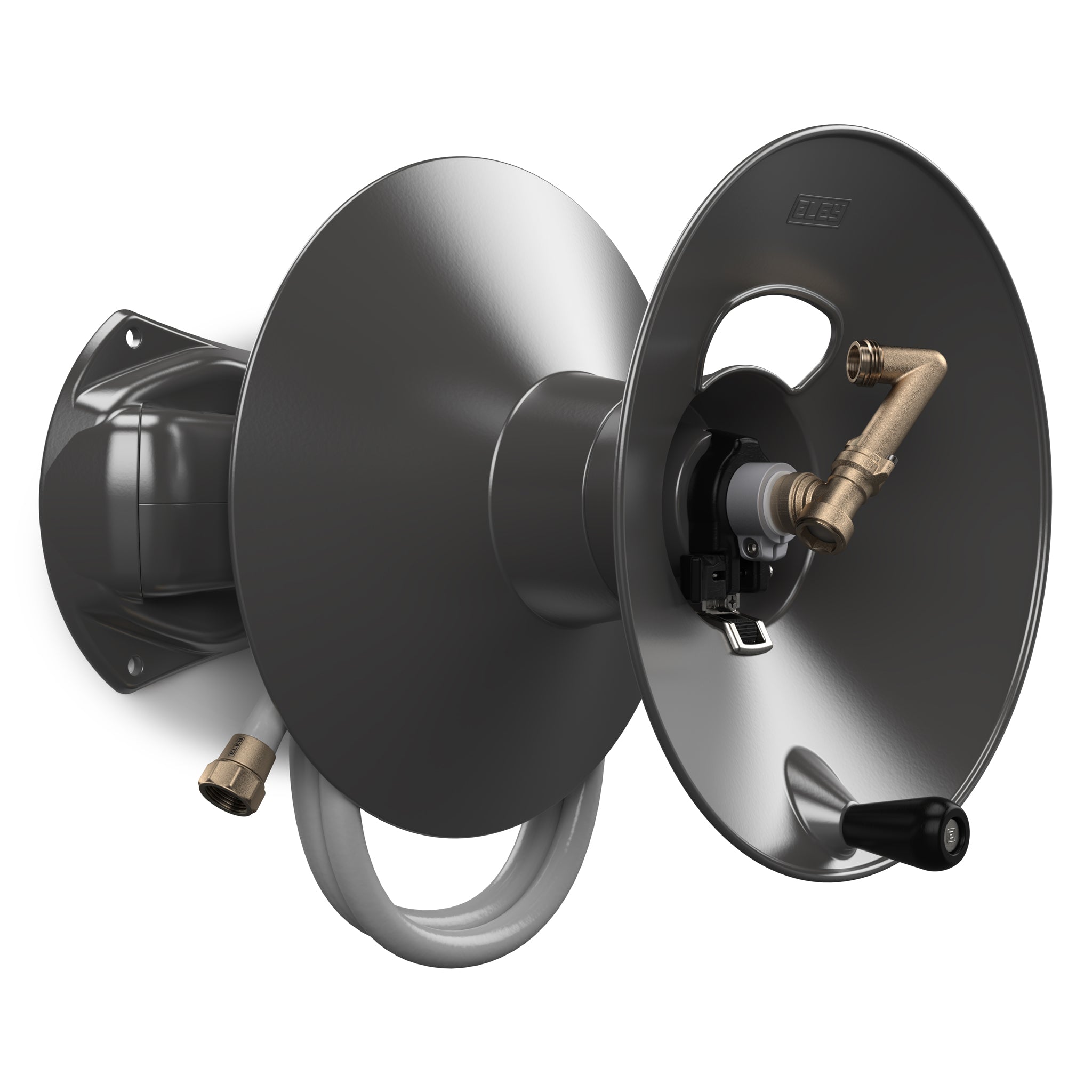
Brass vs aluminum garden hose fittings compared on durability, corrosion resistance, crush resistance, weight, and cost, plus how to tell them apart.
The fittings, also called couplings or connectors, are the metal ends of a garden hose that thread onto your spigot, nozzle and accessories. They are small, but they are one of the most common failure points on a hose. The two most common metals are brass and aluminum, and the choice affects durability, corrosion resistance and how well the fittings survive being crushed or cross-threaded. This guide compares them. For evaluated picks, see the best garden hoses roundup, and for how connectors work, read our garden hose fittings guide.
Why fittings matter
A hose is only as reliable as its ends. Leaks, cross-threading and crushed couplings are frequent complaints, and they usually start at the fitting rather than the hose body. Choosing a durable fitting material means fewer drips at the spigot, easier hand-tightening and a connection that keeps sealing season after season. Because fittings take repeated threading, tightening and occasional knocks, the metal they are made from matters.
Brass fittings
Brass is the traditional premium choice for hose fittings. It is strong, resists corrosion well and holds up to repeated connecting and disconnecting without stripping easily. Brass also resists crushing better than softer metals, so the threads survive being stepped on or dropped. This durability is why higher-end hoses typically ship with brass couplings and why many gardeners replace failed fittings with brass. The trade-offs are that brass is heavier and costs more.
Aluminum fittings
Aluminum fittings are lighter and less expensive, which helps keep the price of a hose down. Aluminum does resist rust in the way iron does not, but it is a softer metal than brass. That softness means aluminum fittings are more prone to bending, crushing and cross-threading, and once a soft thread is damaged the connection can leak. Aluminum can also be more susceptible to certain corrosion over time, especially where dissimilar metals meet. For light or occasional use they can be perfectly serviceable, but they generally do not match brass for long-term durability.
Corrosion and galling
Both metals resist rust better than plain steel, but they behave differently over years of use. Brass tends to stay smooth and keep threading cleanly. Softer aluminum threads can gall or deform, and when aluminum contacts other metals in wet conditions it can corrode faster at the junction. Keeping fittings clean, hand-tightening rather than forcing them, and not leaving hoses pressurized in freezing conditions helps either material last longer.
Other fitting materials
Brass and aluminum are the most common, but they are not the only options. Some hoses use zinc or other metal alloys, which tend to behave more like aluminum in terms of softness and durability, while a growing number use tough engineered plastics or composites. Composite fittings are light, will not corrode and resist cross-threading, though the strongest connections still tend to come from solid metal. When comparing hoses, it helps to note not just the color of the fitting but the actual material listed in the specifications, since a shiny finish does not always mean brass underneath.
Caring for hose fittings
A few simple habits keep any fitting sealing longer. Start threads by hand and turn gently so you do not cross the threads, and avoid using pliers to overtighten, which can crush softer metals. Add a rubber washer inside the female coupling and replace it when it hardens or splits, since a worn washer is a frequent cause of leaks that people blame on the metal. Drain hoses before hard freezes so trapped water cannot expand and deform the fittings, and rinse off grit that can grind at the threads. Good care narrows the gap between materials, but it cannot fully make up for a soft fitting that has already been bent.
Side-by-side comparison
| Factor | Brass | Aluminum |
|---|---|---|
| Strength | High | Lower, softer |
| Crush resistance | Strong | Bends more easily |
| Corrosion resistance | Very good | Good but varies |
| Cross-thread resistance | Better | More prone |
| Weight | Heavier | Lighter |
| Cost | Higher | Lower |
| Best for | Long-term durability | Budget, light use |
Which fittings should you choose?
For most gardeners, brass fittings are the better long-term investment. They resist crushing and cross-threading, seal reliably and outlast softer metals, which matters at a part that connects and disconnects constantly. Aluminum fittings make sense when weight and cost are the priority and the hose sees lighter, occasional use. If a hose you like ships with aluminum ends, you can often replace a failed coupling with a brass repair fitting to extend its life. Whichever you choose, hand-tighten gently to protect the threads and store the hose drained in cold weather. To pick fittings and connectors that match your spigot and accessories, use the garden hose fittings guide, and compare hoses that come with quality couplings in the best garden hoses roundup.
How to tell brass from aluminum on a hose you already own
If a hose did not come with clear specifications, a few quick checks help identify the fitting metal. Brass is noticeably heavier for its size and has a warm, yellowish-gold color once polished, though many brass fittings ship with a darker or matte finish that can look similar to other metals at a glance. Aluminum feels distinctly lighter for the same size fitting and often has a duller, more silvery-gray tone. A simple magnet test can rule out steel impostors, since neither brass nor aluminum is magnetic, but it will not distinguish between the two. When in doubt, check the product listing or manufacturer spec sheet for the stated material rather than relying on color or finish alone.
How we research
We compare published manufacturer specifications, official manuals, warranty information and recurring owner feedback. Rankings are research-based unless original YardToolLab test evidence is explicitly shown on the page.
FAQs
Brass is the more durable choice overall. It resists crushing, cross-threading, and corrosion better than aluminum, which is softer and more prone to bending or thread damage, though aluminum is lighter and less expensive.
Aluminum does not rust the way iron or steel does, but it is a softer metal that can bend, gall, or corrode faster where it contacts dissimilar metals in wet conditions. Brass generally holds up better over years of repeated use.
Yes. If a hose's aluminum coupling fails or wears out, a brass replacement hose mender or fitting kit can extend the hose's life and often outlasts the original aluminum end.
Aluminum is lighter and less expensive to manufacture, which helps keep the overall hose price down. It is a reasonable trade-off for light or occasional use, but it does not match brass for long-term durability under frequent connecting and disconnecting.