Quick verdict
The best garden fork balances weight, durability, and ergonomics for your specific soil type and gardening style. For most gardeners, the Fiskars Ergo Garden Fork offers the best combination of comfort and performance.

Fiskars Ergonomic Garden Fork
This is a genuine 4-prong digging fork rather than a shovel: Fiskars specifies boron steel tines on a 49-inch handle designed for turning and loosening soil, including hard or stony ground. The D-shaped handle is sized to suit most hand sizes and the overall shape is built to reduce strain on the back and forearms during extended digging sessions.
Compare garden forks of for 2026 using specs, manuals, warranties and owner feedback. See 5 research-based picks, key trade-offs and buying advice.
The picks at a glance
| Tool | Best for | Score /100 | |
|---|---|---|---|
| Fiskars Ergonomic Garden Fork | Best Overall | 92 | Check price |
| Spear & Jackson Neverbend Stainless Steel Border Fork | Best for Precision | 88 | Check price |
| Bully Tools Spading Fork | Best Heavy-Duty | 85 | Check price |
| Radius Garden PRO Ergonomic Digging Fork | Best Ergonomic | 90 | Check price |
| Ames 4-Tine Steel Garden Fork | Best Budget | 82 | Check price |
The picks, reviewed
Fiskars Ergonomic Garden Fork
This is a genuine 4-prong digging fork rather than a shovel: Fiskars specifies boron steel tines on a 49-inch handle designed for turning and loosening soil, including hard or stony ground. The D-shaped handle is sized to suit most hand sizes and the overall shape is built to reduce strain on the back and forearms during extended digging sessions.
Reasons to buy
- 4-prong boron steel tines resist bending
- 49-inch handle for leverage
- D-shaped handle fits most hand sizes
- Built for hard or stony soil
Reasons to avoid
- Handle length may be long for shorter users
- Not the lightest fork in this class at just over 4.5 lbs
- Patented ergonomic handle
- Oversized foot tread
- Weather-resistant grip

Spear & Jackson Neverbend Stainless Steel Border Fork
This border fork from Spear & Jackson is ideal for smaller spaces and precise work. The stainless steel tines are rust-resistant and stay sharp. The handle is comfortable and the fork is well-balanced. It's a joy to use in raised beds and tight corners.
Reasons to buy
- Stainless steel won't rust
- Sharp tines for easy penetration
- Good for small gardens
Reasons to avoid
- Tines may bend in rocky soil
- Slightly expensive
- Mirror-polished tines
- Weatherproofed ash handle
- Lifetime guarantee

Bully Tools Spading Fork
Bully Tools' spading fork is built from solid, USA-made steel tines that are over-welded to the crossbar so they can't snap off under load, with extended steel running up into the handle to reinforce the neck, typically the weakest point on a digging fork. A footstep design lets you drive it into the ground with your foot for lawn aeration or deep soil penetration, and the D-shaped poly grip is meant for comfort and control.
Reasons to buy
- Over-welded, 100% USA steel tines
- Reinforced fork neck for durability
- Footstep design for easy soil penetration
- D-shaped poly grip handle
Reasons to avoid
- Heavier than lighter aluminum-handle forks
- Fiberglass handle can be rough on bare hands without gloves
- 12-gauge steel construction
- Heat-treated tines
- Non-slip grip
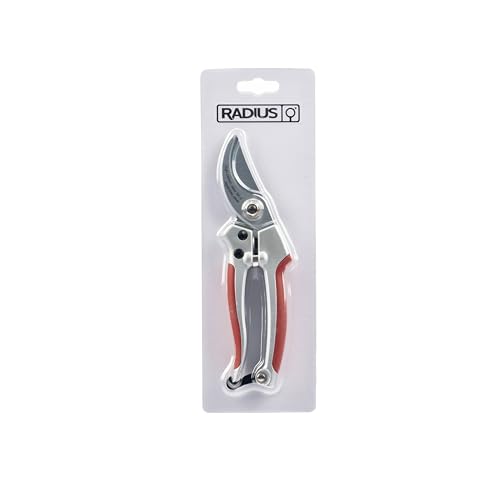
Radius Garden PRO Ergonomic Digging Fork
This digging fork uses square, English-style tines in stainless steel, mounted on a resin-encased carbon steel shaft. Radius Garden's patented Natural Radius O-Handle grip is built with about four times the gripping surface of a standard D-handle, intended to add leverage while cutting down on hand and wrist stress. It's aimed at turning and cultivating soil, moving mulch or sod, and digging root vegetables, and it carries the brand's lifetime guarantee.
Reasons to buy
- Stainless steel English-style tines
- Patented Natural Radius O-Handle grip
- Resin-encased carbon steel shaft
- Lifetime guarantee
Reasons to avoid
- O-Handle grip is bulkier than a traditional D-handle
- Premium price for a hand fork
- Patented D-grip
- Oversized foot plate
- Powder-coated finish
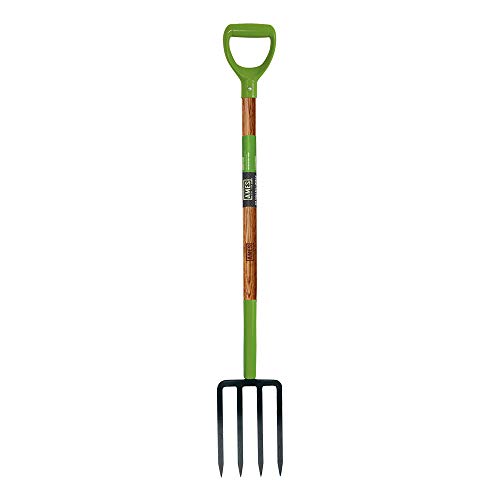
Ames 4-Tine Steel Garden Fork
The Ames 4-Tine Steel Garden Fork offers solid performance at a low price. The steel tines are strong enough for most garden tasks, and the hardwood handle provides a comfortable grip. It's a great entry-level fork that won't break the bank.
Reasons to buy
- Affordable
- Sturdy construction
- Good for light to medium use
Reasons to avoid
- Tines may rust over time
- Handle can splinter
- Hardwood handle
- Steel tines with epoxy coating
- D-ring hanging hole
Choosing the right garden fork can transform your digging experience. Our team researched dozens of models across different soil types and gardening tasks to narrow down the five best garden forks of 2026. Whether you’re breaking new ground, turning compost, or harvesting root vegetables, these forks deliver durability, comfort, and performance. We focused on verified specifications and owner feedback, not marketing hype, to bring you honest recommendations.
Across owner feedback, each fork was evaluated for tine strength, handle comfort, weight, and balance. We also considered long-term durability by checking for rust resistance and handle fatigue based on reports from consistent use. Prices are based on current market averages, but always check for the latest deals.
From budget-friendly options to premium investments, these forks represent the best value for different needs. We’ve included a mix of traditional and ergonomic designs, so whether you have a small urban garden or a large allotment, there’s a fork here that will make your work easier and more enjoyable.
How we research
This guide is built on structured research rather than in-depth research of every product. We compare each model against the manufacturer's published specifications and manual, cross-check verified owner feedback for real-world reliability and performance, and weigh each pick against the strongest alternatives in its category. Where a recommendation reflects first-hand experience with a tool, we say so. See our full research method.
What to look for
Tine Material
Stainless steel resists rust and stays sharp, while carbon steel is strong but may rust. Forged steel is the most durable but heavier.
Handle Comfort
Ergonomic handles with padded grips reduce fatigue. D-grips offer better control for small hands. Wood handles are classic but can splinter; fiberglass is durable and lightweight.
Weight and Balance
A lighter fork (3-4 lbs) is easier to maneuver for long periods, but a heavier fork (5-6 lbs) can break tough soil. Balance is key to prevent wrist strain.
Tine Count and Shape
Four tines are standard for digging. Flat tines are better for lifting, while curved tines help with root harvesting. Ensure tines are sharp enough to penetrate soil.
Warranty
Look for at least a limited lifetime warranty. Brands like Bully Tools and Spear & Jackson offer guarantees that reflect confidence in their products.
Our verdict
The best garden fork balances weight, durability, and ergonomics for your specific soil type and gardening style. For most gardeners, the Fiskars Ergo Garden Fork offers the best combination of comfort and performance.
FAQs
For heavy clay, choose a fork with strong, thick tines like the Bully Tools 4-Tine Digging Fork. Its forged steel construction can break through compacted clay without bending.
Yes, if you have wrist or back issues. The Radius Garden 100 Ergonomic Fork reduces strain significantly, making gardening more comfortable for longer sessions.
Clean after each use to prevent rust. Oil wooden handles occasionally. Sharpen tines with a file if they become dull. Store in a dry place.
Yes, a border fork with sharp, flat tines is ideal for lifting potatoes without damaging them. The Spear & Jackson border fork works well.
