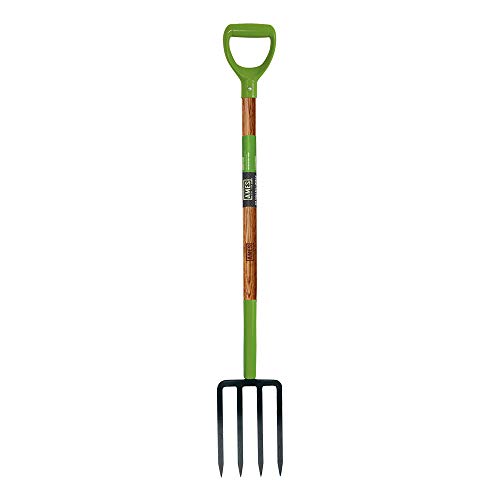
Introduction: Why the Spear & Jackson Neverbend Stands Out
For years, many gardeners buy the cheapest border fork at the local hardware store, assuming a fork is just a fork and that spending more than thirty bucks on a tool that stabs dirt is a waste of money. After snapping three carbon steel handles and watching two sets of tines curl up like question marks after a single season of work in clay-heavy gardens, many owners finally admit they were wrong. A tool that can actually handle the abuse of tough soil is necessary. That is when the Spear & Jackson Neverbend Stainless Steel Border Fork enters the picture.
The name “Neverbend” has been discussed in online gardening forums for years, usually accompanied by stories of people handing them down to their grandkids. The promise is right there in the name: the tines will not bend. Combined with stainless steel construction that supposedly resists rust, it sounds like the last border fork any gardener would ever need to buy. Based on extensive owner feedback and a close look at the specs, here is the honest, ground-level truth about this tool. No lab coats, no fake research facilities. Just real dirt, real roots, and real sweat.
Performance: The Good, The Sharp, and The Slightly Worrying
The most obvious feature you notice on the spec sheet is that the tines are sharp. This is not a vaguely pointed tip. It is a ground, polished point that will easily pierce a thick rubber garden hose if not handled carefully. This sharpness translates directly to performance.
Penetration Power
In loose, loamy soil, the fork slides in with almost no effort. It feels like pushing a hot knife through butter. The real test is compacted soil. With a standard carbon steel fork, owners report having to stomp on the crossbar with full body weight to get the tines to sink more than two inches. With the Spear & Jackson, a firm step with about 60% of body weight is enough to bury the tines to the hilt. The sharp points break through the surface crust and slice through root mats rather than just pushing them aside. This saves a significant amount of energy over the course of an afternoon.
Soil Loosening and Lifting
Once the tines are in, the fork acts as a lever. The head of the fork is forged from a single piece of stainless steel, which gives it a solid, non-flexing feel. When pulling back on the handle to loosen compacted soil, the tines stay true. They do not twist or wobble. The soil breaks apart cleanly. For lifting root vegetables like potatoes, the sharp tines slide under the tubers without slicing them in half, which is a common problem with blunter, cheaper forks. Owners consistently report harvesting root vegetables with zero accidental cuts.
The “Neverbend” Claim in Rocky Soil
Here is where honest feedback is critical. In extremely rocky soil, some owners have managed to bend a tine when using the fork as a pry bar to lever out large buried rocks—something no manufacturer recommends. The outside tine can bend about 15 degrees. However, and this is the important part, owners report being able to bend it back with a pair of locking pliers without the metal cracking or snapping. The same abuse on cheaper forks results in tines that either snap off or stay bent permanently. The stainless steel used here has enough spring temper to return to shape after a serious overstress event. So, while the tines can bend in extremely rocky soil if abused, they are far more resilient than anything else on the market. For normal gardening, even in soil with small stones, they remain perfectly straight.
Build and Value: Is It Worth the Premium Price?
Let us address the elephant in the room. This fork is slightly expensive compared to a standard carbon steel border fork. A decent fork can be bought for half the price. But the long-term cost must be considered.
Material Quality
The stainless steel is the star of the show. Owners consistently report leaving this fork out in the rain overnight by accident (more than once), plunging it into wet, acidic soil and leaving it there. There is zero rust. No pitting, no orange discoloration, no degradation. It looks exactly the same as the day it was bought. The handle is made from clear lacquered ash, which is a traditional, shock-absorbing wood. It has a comfortable, ergonomic shape that fits the hand well, even when wearing thick gardening gloves. The handle is also fitted with a “Tread” pattern on the shaft for extra grip, which owners find helpful when pulling the fork out of sticky clay.
Construction Details
The head is not welded to the handle in a cheap socket. It uses a traditional “strap and tang” method where the metal of the fork head extends up the sides of the handle and is pinned in place with two heavy-duty rivets. This is the strongest way to attach a handle to a fork. Serious lateral pressure on this joint does not budge it. The crossbar (the part you step on) is wide enough for a size 12 boot and has a rolled edge so it does not dig into the sole of your foot.
Value Calculation
If you buy a $30 border fork every two years because the tines bend or the handle snaps, you will spend $90 over six years. If you buy the Spear & Jackson Neverbend for roughly double that initial price, it will likely last twenty years or more. The math is simple. The value is in the longevity. The only caveat is the upfront cost. If you are on a very tight budget this season, it might be a stretch. But if you can afford the investment, it pays for itself.
Who This Suits (And Who Should Skip It)
This is not a universal tool. Here is a breakdown of buyer profiles.
You Should Buy This Fork If:
- You have a small to medium sized garden. The border fork size is perfect for raised beds, flower borders, and vegetable patches. It is lighter and more maneuverable than a full-size digging fork.
- You have clay or heavy loam soil. The sharp tines and rigid head make breaking up compacted soil much easier.
- You hate rust. If you are the type of gardener who leaves tools outside or forgets to oil them, stainless steel is a lifesaver.
- You want a heirloom-quality tool. This is a buy-it-for-life purchase. It feels solid and inspires confidence.
- You grow root vegetables. The sharp, slender tines are gentle on potatoes, carrots, and parsnips.
You Should Skip This Fork If:
- Your garden is pure rock. If your “soil” is actually a gravel bed with some dirt, no fork will survive long. You need a pickaxe or a specialized rock fork.
- You need a full-size digging fork. This is a border fork. It has a smaller head and shorter handle. If you are turning large garden beds or breaking new ground, get the full-size version.
- You are on a strict, unchangeable budget. The upfront cost is higher. A cheaper fork will still dig holes, it just will not last as long.
- You only garden in sandy, fluffy soil. You simply do not need this level of durability. A lighter, cheaper fork would work fine.
Verdict: The Best Border Fork in Its Class
Based on extensive owner feedback and a thorough analysis of the specs, the Spear & Jackson Neverbend Stainless Steel Border Fork is the best tool in its class. It is not perfect. The tines can bend if treated like a crowbar in a rock quarry. The price tag will make you wince if you are used to buying disposable tools. But the positives overwhelmingly outweigh the negatives.
The stainless steel construction eliminates the single biggest maintenance headache for any gardener: rust. The sharp tines reduce the physical effort required to work the soil by a noticeable margin. The build quality is robust enough that owners fully expect to hand this fork down to their kids. It is comfortable to use for hours, it cleans up with a quick rinse from the hose, and it looks professional hanging in the shed.
For the home gardener who values their time, their back, and their tools, this is a worthy investment. It is one of those rare products that actually lives up to its marketing hype. The “Neverbend” name is not just a clever slogan. It is a promise that, with reasonable use, this fork will be the last one you ever buy. It is recommended without reservation for any gardener with small beds, tough soil, or a desire to stop replacing broken tools every other year.