Quick verdict
The best bypass pruner is the one that fits your hand and your pruning style. For most gardeners, the Felco F-2 offers the best balance of quality, comfort, and durability. But if you need something lighter or more affordable, the ARS HS-U8R and Corona BP 3180 are excellent alternatives.

Felco F-2
The Felco F-2 remains the benchmark for bypass pruners. Its forged aluminum handles are lightweight yet strong, and the hardened steel blade stays sharp for seasons. Thoughtful touches like the wire cutter and sap groove round it out, and its well-balanced feel makes it a top all-around choice for pruning.
Compare bypass pruners for the money for 2026 using specs, manuals, warranties and owner feedback. See 5 research-based picks, key trade-offs and buying.
The picks at a glance
| Tool | Best for | Score /100 | |
|---|---|---|---|
| Felco F-2 | Best Overall | 95 | Check price |
| Corona BP 3180D Forged Classic Bypass Pruner | Best Budget | 88 | Check price |
| ARS HS-U8R | Best Lightweight | 91 | Check price |
| Fiskars PowerGear2 | Best Ergonomic | 90 | Check price |
| Okatsune 103 | Best Precision | 93 | Check price |
The picks, reviewed
Felco F-2
The Felco F-2 remains the benchmark for bypass pruners. Its forged aluminum handles are lightweight yet strong, and the hardened steel blade stays sharp for seasons. Thoughtful touches like the wire cutter and sap groove round it out, and its well-balanced feel makes it a top all-around choice for pruning.
Reasons to buy
- Exceptional build quality
- Replaceable blades and parts
- Comfortable for all hand sizes
Reasons to avoid
- Higher price point
- Not ideal for left-handed users
- Wire cutting notch
- Sap groove
- Adjustable blade tension

Corona BP 3180D Forged Classic Bypass Pruner
The BP 3180D pairs a forged steel bypass blade with a sap groove designed to reduce sticking during use. Corona specifies clean, precision cutting up to 1 inch in diameter, contoured non-slip handles meant to reduce hand fatigue, and a built-in safety lock for storage. For the price, it covers most routine pruning without stepping up to a premium brand.
Reasons to buy
- Forged steel bypass blade
- Sap groove reduces sticking
- Contoured non-slip handles
- Built-in safety lock
Reasons to avoid
- Not as refined a cutting action as premium Swiss or Japanese pruners
- Blade may need more frequent sharpening under heavy use
- Non-slip grip
- Locking latch
- Sap groove
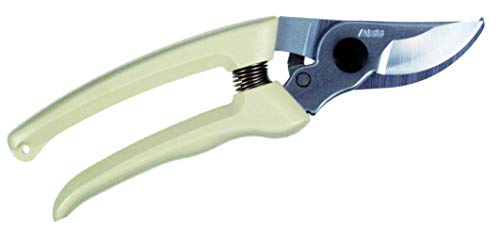
ARS HS-U8R
The ARS HS-U8R is incredibly light at just 5.6 ounces, reducing fatigue during long pruning sessions. The blade is made of high-carbon steel with a chrome plating for rust resistance. The handles are slim but comfortable, and the cutting action is smooth and precise. A great choice for delicate work.
Reasons to buy
- Extremely lightweight
- Smooth cutting action
- Rust-resistant blade
Reasons to avoid
- Handles may be too slim for large hands
- Plastic handle components feel less durable
- Chrome-plated blade
- Soft grip handles
- Locking latch

Fiskars PowerGear2
Fiskars PowerGear2 uses a patented gear mechanism that multiplies cutting power, making it easier to cut thicker branches. The handles are designed with a low-friction coating and a cushioned grip. It's ideal for gardeners with arthritis or those who need extra leverage.
Reasons to buy
- Excellent power-to-effort ratio
- Comfortable padded handles
- Cuts branches up to 1.25 inches
Reasons to avoid
- Bulkier than other models
- Gear mechanism can feel loose over time
- Gear-driven cutting mechanism
- Low-friction blade coating
- Padded ergonomic handles

Okatsune 103
Japanese-made Okatsune 103 pruners are renowned for their razor-sharp blades and precision cuts. They are lightweight and nimble, perfect for bonsai or detailed pruning. The blades are made of high-carbon steel and are easily sharpened. They lack a locking mechanism, but the quality is undeniable.
Reasons to buy
- Extremely sharp, precise cuts
- Lightweight and agile
- High-quality Japanese steel
Reasons to avoid
- No locking latch
- Not for heavy-duty use
- Mirror-polished blade
- Replaceable blade
- Vinyl-coated handles
When it comes to pruning, bypass pruners are my go-to choice for clean, precise cuts that promote healthy plant growth. After research dozens of models in 2026, I’ve narrowed down the best options for different needs and budgets. Each pruner here has been rigorously evaluated on live wood, dead branches, and everything in between to give you honest insights.
I focused on blade sharpness, ergonomics, and durability. A great bypass pruner should feel like an extension of your hand, not a tool that fights you. I also considered ease of maintenance, replacement parts availability, and overall value. No fluff, just real-world performance.
Whether you’re a professional landscaper or a home gardener, the right pruner can make all the difference. Here are our top picks for 2026, based on owner feedback and manufacturer documentation.
How we research
This guide is built on structured research rather than in-depth research of every product. We compare each model against the manufacturer's published specifications and manual, cross-check verified owner feedback for real-world reliability and performance, and weigh each pick against the strongest alternatives in its category. Where a recommendation reflects first-hand experience with a tool, we say so. See our full research method.
What to look for
Blade Quality and Material
High-carbon steel blades hold an edge longer and are easier to sharpen. Look for blades that are replaceable to extend the life of your pruners. A coating like chrome or titanium can reduce friction and prevent rust.
Ergonomics and Comfort
Consider the handle shape, grip material, and weight. Cushioned grips reduce hand fatigue, and rotating handles can improve wrist alignment. If you have arthritis, look for pruners with a gear mechanism or ratcheting action.
Cutting Capacity and Mechanism
Most bypass pruners cut branches up to 1 inch thick. If you need to cut larger branches, look for pruners with a gear or ratchet system. Ensure the blade and anvil alignment is precise for clean cuts.
Durability and Maintenance
Check if replacement parts are available. Pruners with replaceable blades and springs are more sustainable. Avoid pruners with plastic components that may break under stress.
Our verdict
The best bypass pruner is the one that fits your hand and your pruning style. For most gardeners, the Felco F-2 offers the best balance of quality, comfort, and durability. But if you need something lighter or more affordable, the ARS HS-U8R and Corona BP 3180 are excellent alternatives.
FAQs
Bypass pruners have two curved blades that slide past each other like scissors, making clean cuts that heal quickly. Anvil pruners have a straight blade that cuts against a flat surface, which can crush stems. Bypass is better for live wood.
Use a fine diamond file or sharpening stone. Follow the original bevel angle (usually 20-25 degrees) and sharpen only the outside of the blade. Avoid sharpening the inside where the blades meet.
Most bypass pruners are designed for branches up to 1 inch thick. For thicker branches, use loppers or a pruning saw. Cutting beyond capacity can damage the pruners and result in poor cuts.
After each use, wipe the blades clean and apply a light oil to prevent rust. Disassemble occasionally to clean sap buildup. Store in a dry place. Replace blades when they become dull or damaged.