A shed is fine for lithium mower batteries in mild weather and wrong in a freezing winter or a hot summer, because makers specify storage in moderate temperatures and charging above freezing. Here is what the limits are, what heat and cold do, and how to set up a shed if it must be used.
The short answer
In spring and fall, when the shed stays between freezing and the low 80s, a dry shed is a fine place for lithium mower batteries. In a winter that freezes hard or a summer that bakes the shed above 100 F, it is not, and the packs should come indoors. Makers specify a storage temperature range for their packs, and a shed in most of the United States leaves that range for weeks at both ends of the year. The rest of this article explains why, what the real risks are, and how to set up a shed for packs when there is no other choice.
What the makers say
EGO, Greenworks, Ryobi, Toro, Kobalt and the others each print a storage range in the manual, and they cluster around the same figures: store between roughly freezing and about 100 F, charge only between about 40 and 100 F, and store at a partial charge for long periods. The exact numbers differ by brand and change between pack generations, so the manual is the authority. Every maker also says to keep packs dry, out of direct sun and away from flammable materials, and to keep them off the charger during storage.
What heat does
Heat is the fastest way to age a lithium pack. The chemical reactions that slowly consume the electrolyte and the electrode surfaces run faster as temperature rises, and a pack stored at 100 F loses capacity several times faster than one stored at 70. A metal or resin shed in July can reach 120 F inside, and a pack left there through a summer comes out with noticeably less runtime for good. A full pack ages faster in heat than a half-charged one, which is why makers ask for partial charge. If the shed is the only option in summer, the pack goes in a cooler or an insulated box on the floor, in the shadiest corner, at half charge.
What cold does
Cold is gentler on storage than heat; a pack sitting at 10 F in a frozen shed is not harmed much as long as it stays above the minimum in the manual, usually about minus 4 F. The danger is charging. Charging a pack below freezing plates lithium metal onto the anode, which permanently loses capacity and can cause an internal short. Most modern packs refuse to charge when cold, and some will not run the mower until they warm, but older or cheaper packs charge anyway. A pack from a frozen shed goes indoors for a few hours before it sees a charger. The second cold risk is self-discharge over a long winter: a pack stored nearly empty can drop below its cutoff and refuse to charge again in spring.
What damp does
A shed that condenses on cold mornings corrodes the pack terminals and the charger contacts, and corroded terminals heat under load. Packs go in a lidded box, off the floor, with a desiccant pouch, and terminals get a wipe and a look each spring.
The fire question
A healthy lithium pack stored at partial charge in moderate temperatures is not a fire risk. The risks are a damaged pack, a pack charging in heat or cold, a pack buried under flammable material, or a cheap replacement pack with poor protection. Store packs away from the gas can, the oily rags and the pile of cardboard. A metal cabinet, a ceramic pot or a battery storage bag adds a margin. Never charge in the shed on a hot day, never store a pack that has been dropped hard or has a swollen case, and recycle damaged packs at a hardware store drop-off rather than keeping them.
A shed setup that works
In mild seasons: a lidded resin box on a shelf, out of sun, with the packs at whatever charge they came off the mower with, and the charger indoors or on the shelf but not plugged in. For the winter: take each pack to about half charge, bring it into the house, a closet or a basement that stays above freezing and below 80 F, and check it every month or two, topping it to half if it has drifted. For a heat wave: same, indoors. If there is truly no indoor space, an insulated cooler on the shed floor in the shadiest corner, with packs at half charge, keeps them closer to the range than the open shelf does, and a cheap thermometer inside the cooler tells you when it is not enough.
In spring
Bring the packs to room temperature, charge them fully, wipe the terminals, and run the first mow on a full pack. A pack stored at half charge in moderate temperatures over winter comes back with its runtime intact; one stored full in a hot shed does not.
How we research
We compare published manufacturer specifications, official manuals, warranty information and recurring owner feedback. Rankings are research-based unless original YardToolLab test evidence is explicitly shown on the page.
FAQs
Most makers specify a storage range from around freezing to about 100 F, with charging only above freezing. Check the manual for the exact figures; they vary by brand.
Cold storage itself does little harm above the stated minimum, but charging a cold pack damages the cells. Bring a cold pack indoors for a few hours before charging.
Yes, faster than anything else. A pack stored at 100 F or above loses capacity permanently within a season. A hot shed in summer is the worst place for it.
About 30 to 60 percent, off the charger, checked every month or two. A pack stored full or empty ages faster, and a pack that self-discharges to zero may not recover.
Related guides

DURATECH 4 Inch 3-Jaw Gear Puller Review: Getting the Pulley Off a Mower Spindle

Schumacher BT-100 Battery Load Tester Review: Is the Mower Battery Dead or Just Flat?
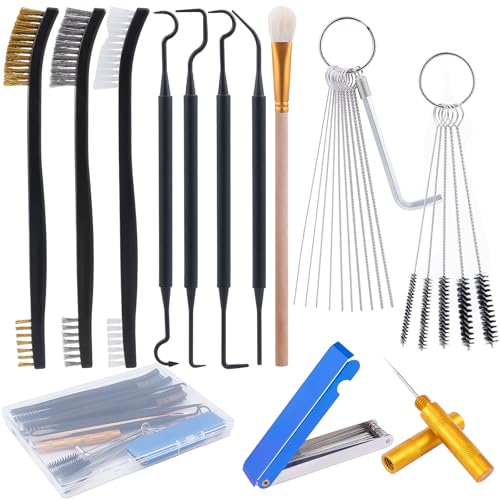
Fododo 33-Piece Carburetor Cleaning Kit Review: Clearing a Gummed Mower Carb at the Bench

AUTOWN 68-Piece Tire Plug Kit Review: Fixing a Mower Tire Where It Sits

Snow Bear 921-04041 Deck Wash Adapter Review: Hosing the Deck From the Driver Seat

Briggs & Stratton 5430K Oil Extractor Kit Review: Changing Mower Oil Without Tipping the Mower

Magicalmai Inductive Hour Meter Review: Knowing When the Mower Is Due for Service
