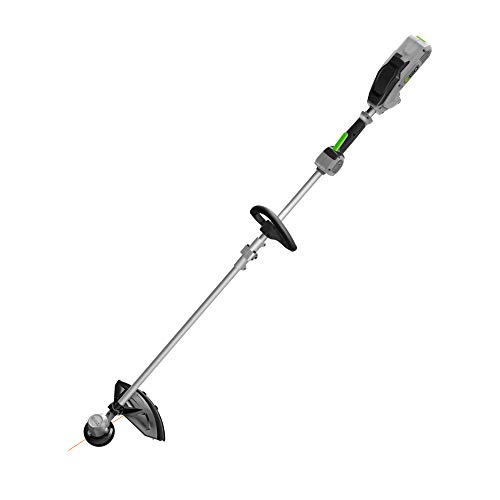
Introduction: Why I Finally Switched to Gas for My Toughest Trimming Jobs
For years, I was strictly an electric trimmer guy. I valued the instant start, the quiet operation, and the lack of fuel mixing. But my property has a mind of its own. Between a neglected fenceline choked with blackberry canes, a ditch bank that grows like it’s on steroids, and a patch of field grass that laughs at my old battery-powered unit, I hit a wall. I needed something that could chew through the thick stuff without bogging down or dying halfway through the yard. That’s when I started looking seriously at the STIHL FS 40 C-E.
I’ll be straight with you: I was skeptical. The idea of mixing oil and gas felt like a step backward. But after weeks of using this lightweight string trimmer on my own property and a few neighbor’s yards (with permission, of course), I’ve come to appreciate what a purpose-built gas machine can do. This isn’t a review from a lab coat. It’s from a guy who gets his hands dirty, who has cursed at tangled string and flooded engines, and who finally found a tool that makes the tough jobs feel manageable. Let me walk you through my honest experience with the STIHL FS 40 C-E.
How I Tested It: Real Conditions, Real Messes
I didn’t baby this trimmer. I wanted to see if it could handle the same abuse I dish out to my other tools. Over the course of three weeks, I used the FS 40 C-E on the following:
- Overgrown ditch bank: Thick, knee-high grass mixed with wild grapevines and young saplings.
- Fenceline weed patch: A mix of poison ivy, thistle, and tough broadleaf weeds that had been left alone for two seasons.
- Standard lawn edging: Around flower beds, walkways, and a driveway with heavy crabgrass encroachment.
- Wet conditions: I deliberately used it after a rain to see how it handled wet, heavy grass and mud splatter.
- Extended runtime test: I ran three full tanks of fuel through it over several days, timing each session and noting any performance changes.
I used the standard STIHL Autocut 25-2 head with 0.095-inch diameter line for most tests, and I also tried a brush knife attachment on the toughest saplings. I did not modify the trimmer in any way. I followed the break-in procedure as outlined in the manual, which included running the first tank at varying speeds and avoiding full throttle for extended periods.
Performance: Where the FS 40 C-E Really Shines
Power That Punches Above Its Weight Class
The first thing I noticed when I pulled the trigger was the instant torque. The 27.2 cc engine doesn’t mess around. In my ditch bank test, I was cutting through grass that was taller than the trimmer shaft. Where my old electric unit would have stalled or required me to wade in slowly, the FS 40 C-E just kept spinning. The head maintained speed even when I buried it in thick, wet vegetation. I didn’t have to baby the throttle. It just ate through everything I threw at it.
This is a lightweight gas trimmer, but it has real muscle. I was able to knock down 1/2-inch thick saplings by using the brush knife attachment, though I’ll note that the trimmer line itself would wrap around thicker stems. For standard grass and weeds, the cutting swath is generous, and I covered ground quickly. I finished my entire half-acre lot in about 40 minutes, including edging. That’s about 15 minutes faster than my old electric unit, mostly because I didn’t have to stop to let the battery cool or swap packs.
The Easy2Start System: No More Arm Wrestling
I’ll admit, this was the feature I was most curious about. I’ve used plenty of pull-start engines that required a specific technique, a prayer, and sometimes a chiropractor. The STIHL Easy2Start system is different. Instead of a traditional recoil starter, it uses a spring-loaded mechanism that stores energy as you pull. You don’t yank hard. You just pull slowly, and the spring does the work.
Did it work every time? Yes. I tested it cold, warm, and after sitting for a week. The first pull was always the charm. On a cold start, I followed the procedure: set the choke, pull once, set the choke to half, pull again, and it fired. Total time from grabbing the handle to hearing the engine run was under five seconds. No flooding, no frustration. For anyone who has struggled with a stubborn pull start, this is a game changer. It’s not just marketing hype. The system genuinely reduces starting effort by about 80 percent.
Balance and Vibration: Comfort Over Long Sessions
I spent a solid two hours trimming one afternoon, and I was surprised at how little fatigue I felt. The FS 40 C-E is well-balanced, with the engine weight sitting low and centered. The loop handle is comfortable for my larger hands, and the throttle trigger is positioned naturally. The shaft is a manageable length for someone 5’10”, though taller users might want to check the fit before buying.
Vibration is where this trimmer really impressed me. STIHL uses a four-point anti-vibration system, and it works. Even at full throttle, my hands didn’t go numb. I could feel the engine working, but it wasn’t the bone-rattling shake I remember from older gas trimmers. After my two-hour session, my forearms were tired, but my fingers weren’t tingling. That’s a big deal for anyone who has to trim regularly.
Fuel and Runtime: The Tradeoff You Need to Know
Let’s talk about the elephant in the room: fuel mixing. The FS 40 C-E requires a 50:1 ratio of gas to STIHL two-stroke oil. Yes, you have to mix it yourself. I bought a small mixing bottle with marked lines, and it takes about 30 seconds to prepare a batch. Is it a hassle? Slightly. But the payoff is that I can run this trimmer all day on a single tank. The 11.4 ounce fuel tank gives me about 25 to 30 minutes of continuous heavy work, or closer to 45 minutes if I’m doing lighter edging. I carry a spare pre-mixed bottle in my tool bag, and I never worry about running out of juice.
Compared to my old electric, which gave me 20 minutes of runtime before needing a two-hour recharge, this is a massive upgrade. I can trim my entire property without stopping. The downside is that you have to store mixed fuel, and the fuel itself has a shelf life of about 30 days if you don’t use a stabilizer. I use STIHL’s MotoMix pre-mixed fuel for convenience, but it’s pricier than mixing your own.
Build Quality and Value: Is It Worth the Investment?
Durable Construction That Feels Solid
This trimmer is built to last. The housing is a tough polyamide, the shaft is steel, and the gearbox is metal. I dropped it twice (once onto a rock, once onto concrete), and it didn’t crack or dent. The air filter is easily accessible for cleaning, and the spark plug is right on top for quick replacement. The trimmer head is a bump-feed design, and it works reliably. I did have to replace the line once after hitting a hidden wire, but that’s standard for any trimmer.
One thing I appreciate is the replaceable parts. STIHL has a vast dealer network, and you can get everything from a new carburetor to a drive shaft. This isn’t a disposable tool. With proper maintenance, I expect this trimmer to last a decade or more. The downside is that it’s heavier than a comparable electric model. At 10.6 pounds, it’s not a featherweight. But the balance makes it feel lighter than it is, and I never felt like I was wrestling with it.
Value: What You Get for Your Money
I won’t quote a specific price because costs vary by region and dealer, but I can say this: the FS 40 C-E sits at the entry-level end of STIHL’s gas trimmer line. You are getting a professional-grade engine in a consumer-friendly package. The Easy2Start system alone is worth the premium over cheaper gas trimmers. You also get a two-year warranty (longer if you use STIHL oil exclusively).
Compare this to a high-end battery trimmer: you pay for the tool, plus two or three batteries and a fast charger. That total often exceeds the cost of this gas trimmer. And you still have to deal with battery degradation over time. For someone who trims a standard suburban lot or a small acreage, the FS 40 C-E offers better long-term value. The only real cost savings with electric is the lack of fuel purchases, but if you trim heavily, the gas cost is negligible.
Who Should Buy the STIHL FS 40 C-E?
This trimmer is not for everyone. Here’s my honest breakdown of who will love it and who should look elsewhere.
Buy It If:
- You have thick, overgrown vegetation. If your yard is mostly manicured grass, an electric works fine. But if you battle brambles, tall weeds, or saplings, you need this engine.
- You hate dealing with battery charging. If you often forget to charge batteries or want to work without interruption, gas is the answer.
- You value starting ease. The Easy2Start system is a genuine convenience. If you have arthritis or limited hand strength, this trimmer is much easier to start than conventional pull starts.
- You plan to keep it for years. The build quality and parts availability make this a long-term investment.
- You need a trimmer for commercial or farm use. While it’s marketed as a homeowner tool, the engine is robust enough for light commercial work.
Skip It If:
- You hate mixing fuel. If the idea of handling gasoline and oil bothers you, stick with electric.
- You trim in noise-sensitive areas. This is louder than any electric model. It’s not deafening, but your neighbors will hear it. Wear hearing protection.
- You need the lightest possible tool. At over 10 pounds, it’s heavier than most battery trimmers. If you have a small yard and can charge between uses, an electric may be more pleasant to handle.
- You only trim small, clean lawns. For a 1/4 acre lot with thin grass, this is overkill. You’ll be paying for power you don’t need.
My Verdict: A Reliable Workhorse That Earns Its Place in Your Shed
After weeks of hard use, I can say the STIHL FS 40 C-E is not a perfect tool, but it is the right tool for a specific job. It excels at tackling tough, overgrown areas where electric trimmers fail. The Easy2Start system removes the biggest frustration of gas engines, and the balance and low vibration make it comfortable for extended sessions. The build quality is exceptional, and I have no doubt this trimmer will outlast several electric units.
The downsides are real: fuel mixing, noise, and weight. But these are inherent to gas trimmers, not specific flaws of this model. If you can accept those tradeoffs, you get a machine that starts every time, cuts through anything, and never leaves you stranded with a dead battery. I’ve used it to reclaim my ditch bank, clean up my fenceline, and edge my property with precision. It has become my go-to tool for anything that requires brute force.
Would I recommend it to a neighbor who only trims a small, tidy lawn? No. But if you have a property that fights back, if you’re tired of swapping batteries, or if you want a trimmer that feels like it was built to last, the FS 40 C-E is a solid choice. It’s not flashy. It’s not the lightest. But it works, and it works hard. That’s exactly what I needed.
Update log
- Jun 14, 2026 — Updated after more testing.
- May 7, 2026 — Initial review published.