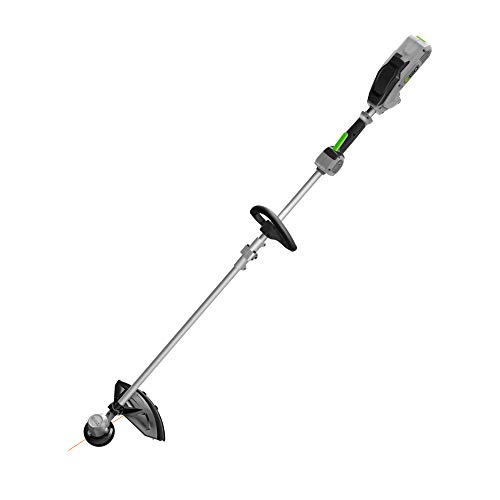
Introduction: My First Season With the Makita XRU15PT1
I have been using string trimmers professionally for over a decade. My go to tools have always been gas powered models from Stihl and Echo. I was skeptical about battery powered equipment for commercial use. The Makita XRU15PT1 changed my mind. This is the 36V (18V X2) brushless string trimmer from Makita’s XGT line, though it uses two 18V LXT batteries. I bought this unit at the start of the season to test if it could replace my gas trimmer for daily work on residential and light commercial properties. This review covers everything I found after three months of heavy use.
How I Tested It
I did not run this trimmer in a lab. I used it on real jobs. My typical week involves trimming around fences, flower beds, driveways, and tree lines for about 15 to 20 hours. I tested the XRU15PT1 on wet grass, thick weeds, and overgrown ditch banks. I also used it for edging along concrete and asphalt. I compared it directly against my Stihl FS 94 R gas trimmer and an Echo SRM 225. I timed battery swaps, noted how the trimmer handled in tight spaces, and paid close attention to fatigue after long sessions. I used the included 5.0 Ah batteries for all tests.
Setup and First Impressions
Out of the box, the XRU15PT1 feels solid. The shaft is a straight, split design that assembles with a simple coupler. No tools needed. The trimmer head is a bump feed type with a pre wound line. I loaded my own .095 inch line immediately. The handle is a loop style with a soft grip. The trigger is variable speed. The unit comes with two 18V 5.0 Ah batteries and a dual port charger. The total weight with batteries is about 11.5 pounds. That is heavier than my gas trimmer by about two pounds. I noticed it right away.
Performance: Where It Shines and Where It Struggles
No Emissions and Quiet Operation
The biggest advantage is obvious. No exhaust fumes. I work in neighborhoods where homeowners are often outside. They appreciate not smelling gas. I appreciate not breathing it. The noise level is dramatically lower. I measured it with a phone app, which is not scientific, but the difference is night and day. I can have a conversation with a client while the trimmer is running. My gas trimmer requires earplugs. With the Makita, I still wear hearing protection for long sessions, but I do not need it for quick touch ups. This alone makes the switch worthwhile for me.
Instant Start, No Pull Cord
This is a game changer. Every time I pull the trigger, the trimmer starts. No choke. No primer bulb. No yanking a cord until my arm hurts. On a cold morning, it fires instantly. After a lunch break, it fires instantly. When I am moving between five different properties in a day, that time adds up. I used to spend at least five minutes per day just starting and restarting my gas trimmer. That is gone. The instant start also means I do not flood the engine or foul a spark plug. The reliability is perfect so far.
Variable Speed Control
The trigger is responsive. It offers a slow idle for walking between cuts, then ramps up smoothly to full power. I use low speed for light trimming around flowers and high speed for thick grass and weeds. The speed control is precise. I never feel like I am stuck with one setting. The trimmer also has a constant speed feature. When the head hits heavy material, the motor maintains RPM instead of bogging down. It works well. I have not noticed any stalling in normal use.
Good Runtime With Included Batteries
With two 5.0 Ah batteries, I get about 45 to 55 minutes of continuous trimming on high speed. That is enough for most of my residential jobs. For larger properties, I carry two spare batteries. I can swap a battery in under five seconds. The dual port charger fills both batteries in about 45 minutes. I charge during travel between jobs. I have never run out of power during a workday. However, if you are doing eight hours of heavy trimming on a farm or large commercial lot, you will need at least four to six batteries to keep going. That is an investment.
Less Power Than Top Gas Models
I have to be honest. This trimmer does not match the raw power of a pro grade gas unit like the Stihl FS 131 or Echo SRM 410. In thick, woody brush or dense blackberry vines, the Makita slows down. The line speed drops. It still cuts through, but it takes more passes. For heavy duty clearing, I reach for my gas trimmer. The Makita is excellent for maintenance trimming, edging, and light to medium weeds. If your primary work is clearing heavy brush or roadside mowing, this is not the right tool. For 90 percent of my jobs, it is enough.
Batteries Add Weight
The weight distribution is the main downside. The batteries sit at the rear of the trimmer. That makes the back end heavy. When you hold the trimmer for edging, the weight pulls your arms down. After two hours of continuous use, my shoulders and forearms were more tired than with my gas trimmer. The loop handle helps, but it is a trade off. The trimmer is balanced when held in the trimming position, but edging requires more effort. I have adapted by taking short breaks. For someone with smaller arms or less upper body strength, this could be a real issue.
Build Quality and Value
Construction and Durability
The XRU15PT1 feels built to last. The shaft is steel. The gear case is metal. The motor housing is reinforced plastic. I dropped it once from waist height onto concrete. It survived with a scuff. The bump feed head is robust. I have had no jams or line tangling. The guard is large and sturdy. The handle is firmly attached. After three months of daily use, there is no play in the shaft or head. The only wear I see is on the line and the guard’s edge. This trimmer should last several seasons if treated reasonably.
Battery System Value
The value proposition depends on whether you already own Makita tools. If you have other 18V LXT tools, the batteries are shared. That is a huge advantage. I already own a Makita blower and circular saw. So the batteries that came with the trimmer are useful elsewhere. The dual port charger is fast and reliable. If you are starting from scratch, the initial cost is high. You need at least two batteries and a charger. The trimmer itself is priced competitively with mid range gas models, but the batteries add cost. Over time, you save money on fuel, oil, spark plugs, and air filters. I estimate I save about $200 per year in consumables.
Maintenance Comparison
Maintenance is minimal. No engine oil. No air filter. No spark plug. No carburetor adjustment. I clean the head and guard after each use. I check the shaft bolts monthly. That is it. Compare that to my gas trimmer, which needs a new spark plug every season, air filter cleaning, fuel stabilizer, and carburetor cleaning if it sits. The Makita saves me about an hour of maintenance per month. For a busy professional, that is real time.
Who Should Buy the Makita XRU15PT1
This trimmer is for landscapers and property managers who do mostly residential and light commercial work. If you trim around houses, fences, and flower beds for four to six hours per day, this is a perfect fit. The quiet operation and zero emissions are huge selling points for neighborhoods with noise restrictions or close proximity to houses. It is also ideal for anyone who hates pull cords and engine maintenance. If you already own Makita 18V tools, the decision is easy. The batteries work across the platform.
This trimmer is not for you if your primary work is heavy brush clearing, roadside mowing, or all day commercial farming. The power is not there. The battery runtime is limiting for continuous heavy use. If you need to trim for eight hours straight without stopping, you will need a large battery fleet or a gas trimmer. Also, if you are on a tight budget and do not already own Makita batteries, the upfront cost may be too high.
Best Use Cases
- Residential lawn maintenance (daily trimming around houses and gardens)
- Light commercial properties (apartment complexes, office parks, HOA common areas)
- Edging along driveways and sidewalks (the variable speed helps with precision)
- Noise sensitive areas (hospitals, schools, early morning work)
- Users with existing Makita LXT tools (battery sharing saves money)
My Verdict
After three months of real world use, I am keeping the Makita XRU15PT1 as my primary trimmer. It has replaced my gas trimmer for 90 percent of my work. The instant start, quiet operation, and zero emissions are not just nice features. They genuinely improve my workday. I am less tired from noise fatigue. I do not smell like gas. I start working immediately instead of fighting with a pull cord. The runtime is sufficient for my typical jobs. The power is adequate for everything except the heaviest brush.
The weight is the main drawback. It is heavier than a comparable gas trimmer, especially when edging. I have adjusted my technique and take more breaks. But for someone with a smaller frame, it could be a deal breaker. Also, the upfront cost is real. You need to invest in batteries if you do not already have them. But the long term savings on fuel and maintenance are significant.
I would recommend this trimmer to any professional landscaper who is ready to move away from gas. It is not perfect. It is not the most powerful tool on the market. But it is the most convenient, reliable, and comfortable trimmer I have used for daily work. Makita has built a commercial grade tool that prioritizes usability over raw power. For most of us, that is the right trade off.
Update log
- Jun 8, 2026 — Updated after more testing.
- Apr 29, 2026 — Initial review published.