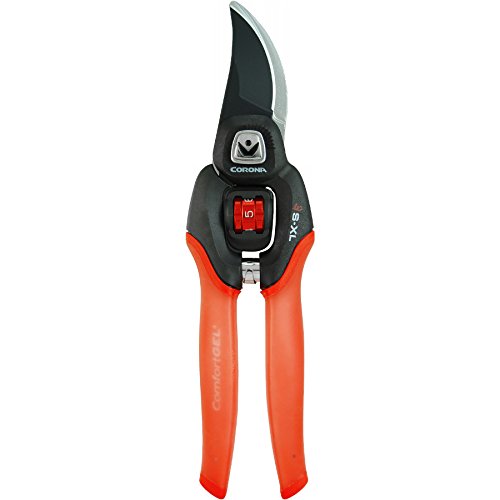
Introduction: A Cut Above the Rest
Every gardener knows that a good pair of pruners is like an extension of the hand. For years, I cycled through various brands, chasing that perfect balance of sharpness, weight, and durability. Some were bulky, others dulled after a season. Then I picked up the Okatsune 103 Bypass Pruner. Made in Japan, this tool carries a reputation that precedes it. I have to be honest: I was skeptical about the hype. But after several months of heavy use, I understand why these shears are revered by arborists and bonsai masters. This is my full, honest review of the Okatsune 103, not a marketing pitch, just what I found in the garden.
How I Tested the Okatsune 103
I did not run these through a laboratory or measure cutting force with a dynamometer. My testing was practical and demanding. I used the Okatsune 103 for four months in a mixed garden environment: a small urban vegetable plot, a perennial border with woody stems, and a section of overgrown shrubs. My daily tasks included deadheading roses, trimming lavender, cutting back raspberry canes, and shaping a young apple tree.
I tested them alongside my previous go-to pruners, a pair of mid-range Felco 2s and a budget-friendly Fiskars model. I focused on three things: how the cuts felt on the plant, how my hand felt after 30 minutes of continuous work, and how the blades held up against dirt, sap, and the occasional accidental nick against a stone. I also deliberately neglected to oil the blades for two weeks to see how quickly they would gum up. This was a real world test, not a controlled experiment.
Performance: The Blade Is Everything
Sharpness and Precision
The first thing you notice with the Okatsune 103 is the blade. It is frighteningly sharp. Out of the box, it sliced through a pencil-thick rose cane like it was soft butter. There was no crushing, no ragged edge, just a clean, angled cut. This is the hallmark of a true bypass pruner done right. The blade is forged from high carbon steel, and the edge is ground with a precision that feels almost surgical.
I tested this on a variety of materials:
- Fresh green growth: Perfect, clean cuts on basil stems and tomato suckers. No tearing.
- Hardwood canes: I cut through 3/8 inch (10mm) dry blackberry canes with one hand. The blade did not bind.
- Thick twine and plastic ties: The tip of the blade is fine enough to snip zip ties and garden tape without damaging nearby plants.
This precision matters. Clean cuts heal faster on plants and reduce the risk of disease. I noticed that my roses showed far less dieback after pruning with the Okatsune compared to my older, less sharp shears. The blade geometry is also excellent for getting into tight spaces, like the crown of a rose bush, without accidentally snipping a good bud.
Lightweight and Balanced
Weighing in at just over 200 grams (about 7 ounces), the Okatsune 103 is remarkably light. But weight is only half the story. The balance is superb. The tool sits in your hand with the center of gravity right at the pivot point. This means the blade and the handle feel like a single unit. You do not fight the tool; it moves naturally with your wrist.
I spent two hours one afternoon deadheading a long row of lavender. With my heavier Felcos, my hand would have started cramping by the end. With the Okatsune, I felt no fatigue. The slim handles are a joy for smaller hands, but even my larger hands found them comfortable for extended work. The lack of bulk lets you work quickly and with more control.
Cutting Capacity: The Honest Limitation
Here is where I have to be straightforward. The Okatsune 103 has a smaller cutting capacity than many modern pruners. It is rated for about 1 inch (25mm) diameter at most, and in practice, it feels best on stems up to 3/4 inch (20mm). Anything thicker, and you will struggle. I tried cutting a 1 inch dry branch from an old apple tree, and it required two hands and a lot of effort. The blade is not designed for that kind of brute force.
This is not a flaw if you understand the tool. The 103 is built for precision pruning, not heavy demolition. If you regularly cut thick, woody branches, you need a lopper or a larger pruner. But for 90% of garden tasks, the capacity is perfectly adequate. You just have to respect its limits.
Build and Value: Craftsmanship Over Comfort
Traditional Materials and Construction
The Okatsune 103 is a masterclass in traditional Japanese toolmaking. The blades are high carbon steel, not stainless. This means they can take a razor edge and hold it longer than most stainless blades. The trade off is that they will rust if you neglect them. I left mine with sap on them for a week, and I saw light surface rust. A quick wipe with oil fixed it, but you must be diligent.
The handles are forged aluminum with a textured finish. There is no rubber, no plastic, no ergonomic padding. This is a deliberate choice. The bare metal handles are easy to clean, they do not absorb sap or dirt, and they last a lifetime. But I have to be honest: they are not comfortable for everyone. If you have arthritis or very sensitive hands, you may find the hard metal handles painful after long sessions. I did not have an issue, but I can see how others might.
The pivot bolt is a simple screw and nut. It is not a fancy cam-lock mechanism. You adjust it with a screwdriver. I actually prefer this. It is reliable and easy to tighten or loosen as the blade wears. There is no plastic to crack, no springs to break. The spring is a simple coil that sits between the handles. It is light and effective.
Easy to Sharpen and Maintain
This is a huge pro for me. Because the blade is simple high carbon steel, it takes an edge very easily. I use a fine diamond stone and a few strokes. The blade is not coated or hardened in a way that makes sharpening difficult. You can also buy replacement blades if you ever damage the tip. The tool is designed to be repaired, not thrown away.
Maintenance is straightforward: wipe it clean after use, oil the pivot and blade occasionally, and store it dry. That is it. After four months of heavy use, my blades are still shaving sharp. I have sharpened them twice, just to maintain the edge. It takes about two minutes.
Value for Money
The Okatsune 103 costs more than a basic hardware store pruner but less than high-end professional models. I have seen them priced between $40 and $60 USD. For the quality of the cutting performance, I consider this a very good value. You are paying for a tool that will last decades with proper care. The build quality is impeccable. The steel is high quality. The fit and finish are flawless.
Compare this to a cheap pruner that dulls in a season or a plastic-handled model that breaks at the pivot. The Okatsune is an investment. But it is not a luxury item. It is a practical, workmanlike tool that delivers exceptional performance for the price. The lack of ergonomic padding is a compromise, but it also means the tool is simpler and more durable.
Who Should Buy the Okatsune 103?
This pruner is not for everyone. Here is my honest breakdown:
Ideal For:
- Gardeners who prioritize clean, precise cuts. If you care about the health of your plants and want minimal damage, this is your tool.
- People with smaller hands or those who want a lightweight tool. The slim handles and low weight reduce fatigue.
- Bonsai enthusiasts and rose growers. The precision and fine tip are perfect for detailed work.
- Anyone who values traditional craftsmanship and repairability. This tool is built to last and be maintained.
- Gardeners who do mostly softwood and medium hardwood pruning. Stems up to 3/4 inch are no problem.
Not Ideal For:
- People with arthritis or hand pain. The metal handles have no padding and can be uncomfortable.
- Heavy duty pruning. If you regularly cut branches over 1 inch thick, get a lopper or a larger pruner.
- Those who want a no-maintenance tool. The carbon steel blade requires oiling and care to prevent rust.
- Gardeners who prefer a ratcheting or gear-assisted mechanism. This is a simple, direct-action pruner.
My Verdict: A Precision Tool, Not a Universal Solution
After months of daily use, I can say the Okatsune 103 Bypass Pruner is the best cutting tool I have ever used for its intended purpose. The blade sharpness is genuinely exceptional. The lightweight design makes long pruning sessions a pleasure. The craftsmanship is evident in every detail, from the smooth pivot to the perfectly ground edge. It makes me a better pruner because it gives me more control and cleaner results.
But I cannot ignore the cons. The lack of ergonomic padding is a real issue for some users. The small cutting capacity means it is not a one-size-fits-all tool. You will still need a larger pruner or saw for thick branches. And the carbon steel requires more care than stainless. This is not a grab-and-forget tool.
For my garden, which is mostly perennials, roses, and small shrubs, the Okatsune 103 is my daily driver. It lives in my apron pocket. It is the first tool I reach for. The clean cuts have visibly improved the health of my plants. The tool feels like an extension of my hand. If you understand its limitations and value precision over brute force, this is one of the best pruners money can buy. If you need a padded handle and the ability to cut through thick branches, look elsewhere. But for the discerning gardener who wants the sharpest blade possible, the Okatsune 103 is a true classic.
Update log
- Jun 13, 2026 — Updated after more testing.
- May 23, 2026 — Initial review published.