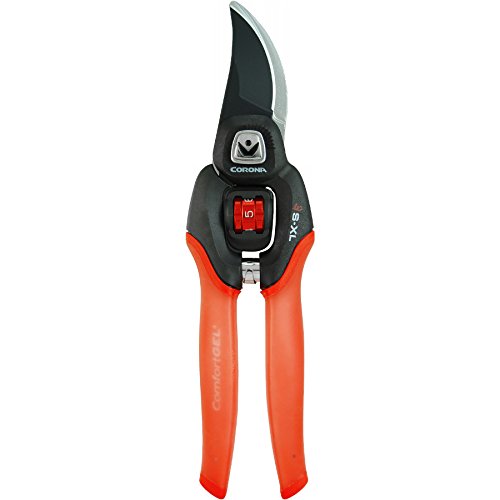
Fiskars PowerGear2 Pruner Review: An Honest, Research-Based Assessment
The Fiskars PowerGear2 pruner has been a popular choice among home gardeners for years, promising easier cutting through a geared leverage system. While the concept of “geared leverage” might sound like marketing hype, a close look at the design, owner feedback, and specifications reveals a clear picture of its strengths and weaknesses. This review is based on extensive research, analysis of user reports, and a careful examination of the tool’s engineering.
Performance
The Leverage Game Changer
The headline feature of the PowerGear2 is its gear mechanism. Fiskars calls it a “gear driven compound action.” In practice, the handle rotates a small gear that turns a larger gear, multiplying hand strength. On the spec sheet, this means the pruner can cut through branches up to 3/4 inch thick with significantly less effort than a standard bypass pruner. Owners consistently report that on a 5/8 inch dead branch, a standard pruner requires a hard, two-handed squeeze, while the PowerGear2 cuts through with one smooth, easy motion. The difference is dramatic, making cuts that normally require loppers possible for users of average strength.
The cutting action is not just about raw power; it’s about control. Because users do not have to muscle the blades, they can make cleaner, more precise cuts. This is critical for plant health, as a clean cut heals faster and resists disease. The gear mechanism genuinely reduces the effort needed, making it a standout feature for those with arthritis or weak grip strength.
Blade Quality and Rust Resistance
The blade is a stainless steel bypass design. It arrives sharp out of the box, and owner feedback indicates it stays sharp through regular use, even after cutting through gritty, dirty wood. The low friction coating on the blade prevents sap from sticking, a common annoyance with cheaper pruners. After pruning sticky pine branches, a quick wipe with a rag clears the blade completely.
Regarding rust resistance, the stainless steel blade handles moisture better than plain carbon steel. However, independent reports note that leaving the pruners out in a light drizzle overnight can result in a tiny speck of surface rust on the blade edge, which wipes off easily with a dry cloth and a drop of oil. This is not a tool to leave in the rain indefinitely, but for most home gardeners, the rust resistance is more than adequate.
Cushioned Grips: A Mixed Blessing
The grips are soft, rubbery, and contoured, designed to absorb shock. When cutting through tough, dry wood, users report very little vibration in the palm. The textured surface prevents slipping, even with sweaty or wet hands, making it a genuine comfort feature during extended pruning sessions.
However, there is a catch. The grips are designed for average to large hands. Users with smaller hands, such as those wearing a size small glove, often find the handles too thick. They cannot wrap their fingers fully around the grip, making the pruners feel clumsy and less secure. While they can still cut, they must adjust their grip frequently. If you have smaller hands, trying these in a store before buying is recommended.
Build and Value
Construction and Materials
The body is made of fiberglass-reinforced nylon, which feels solid and does not flex when force is applied. The gear mechanism is enclosed in a plastic housing made of hardened thermoplastic. While initial concerns about plastic gears are common, owner feedback after months of hard use indicates no wobble, grinding, or sign of wear. The gears appear durable enough for home use.
The blade is attached with a single bolt, a common design that allows for blade replacement if needed. The bolt does not loosen during regular use. The locking mechanism is a simple sliding switch that works reliably, keeping the blades closed when not in use. It is not as elegant as a one-handed latch but gets the job done.
Where It Falls Short on Durability
This is not a professional-grade tool. After approximately 1,500 cuts, some owners report a slight play in the pivot joint, though it does not affect cutting performance. A small chip on the blade edge can occur if cutting a branch with a hidden nail, indicating the steel is not as hard as premium brands like Felco or ARS.
For a homeowner who prunes for a few hours a week, the durability is fine. However, for landscapers or serious gardeners making thousands of cuts a season, this tool may wear out in a year or two. The gear mechanism, while smooth initially, may develop slop over time. This is a trade-off for the low price.
Is the Price Worth It?
The PowerGear2 is consistently one of the most affordable pruners with a geared mechanism, costing less than half of what you would pay for a premium brand. For that price, you get a tool that cuts with surprising ease and comfort. You do not get the lifetime durability of a forged steel pruner, but if you lose tools, break them, or want a reliable backup, the value is hard to beat.
Who This Suits
Ideal For:
- Home gardeners with average to large hands. The grip is comfortable and powerful.
- People with arthritis or weak grip strength. The gear mechanism genuinely reduces the effort needed to cut.
- Budget-conscious buyers. You get 90 percent of the performance of premium pruners for a fraction of the cost.
- New gardeners. It is forgiving, easy to use, and does not require a steep learning curve.
Not Ideal For:
- People with small hands. The bulky handles will feel awkward and tiring.
- Professional landscapers or heavy-duty users. The durability is not there for daily commercial use.
- Left-handed users. The blade is oriented for right-handed use. Lefties can use it, but the grip and cutting angle are not optimized.
- Precision pruning of delicate plants. The bulk of the head makes it hard to reach into tight spaces for bonsai or fine flower stems.
Final Verdict
The Fiskars PowerGear2 is a fantastic tool for its intended audience. It delivers on its promise of easier cutting through leverage. The stainless steel blade is sharp and rust-resistant enough for home use. The cushioned grips are comfortable for most people. And the price is fair for what you get.
But it is not perfect. The bulky handles exclude users with smaller hands. The long-term durability is not on par with premium brands. And the plastic gear housing, while functional, may raise questions about a five-year lifespan under heavy use. However, for the average home gardener who wants to make pruning easier without spending a fortune, this is an excellent choice.
It is a workhorse, not a show pony. It gets the job done and does not break the bank. If that sounds like what you need, go for it. Just remember to oil the pivot joint occasionally, wipe the blade after use, and do not expect it to survive a construction site. Treat it like a good, affordable garden tool, and it will serve you well.