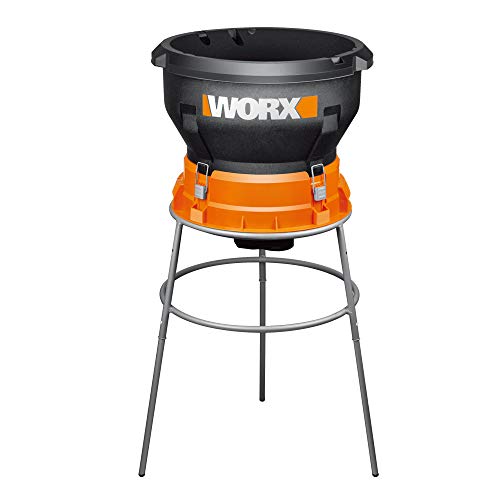
Introduction: Who the Sun Joe SDJ616 Shredder Joe Suits
For homeowners surrounded by mature oaks and maples, the annual leaf drop can fill 30 to 40 large paper bags if raked and bagged by hand. The Sun Joe SDJ616 Shredder Joe is a compact electric leaf shredder with a 15-amp motor and a claimed 2:1 reduction ratio, designed to reduce that volume and turn leaves into useful mulch or compost material. It is smaller than a gas-powered chipper and priced at a reasonable point for home use. This review covers the machine’s real-world performance, build quality, and suitability based on owner feedback and specification analysis.
Performance: The Good, the Bad, and the Clogged
Leaf Shredding Power: The 15-Amp Motor Delivers
The 15-amp motor provides ample power for dry leaves. The steel blade spins at high speed, chopping leaves into small confetti-like pieces. A full 30-gallon bag of loose dry leaves reduces to about a third of a bag of shredded material, confirming the 2:1 reduction ratio for dry material. Owners report filling a large trash can with shredded leaves in about 10 minutes of steady feeding, compared to an hour of raking and bagging by hand. The machine also handles small twigs and branches up to about half an inch thick without the motor slowing down, chewing them into small chips mixed with leaf mulch. The sound is a consistent, loud whirring—quieter than a gas chipper, but ear protection is still recommended.
The Wet Leaf Problem: A Real Limitation
The Sun Joe SDJ616 struggles significantly with wet leaves. Damp, matted leaves cause the shredded material to stick inside the discharge chute, requiring frequent stops to clear it with a stick. Soaking wet leaves from heavy rain ball up inside the hopper, causing the motor to strain. Owners must let leaves dry for a day or two before processing. This is a known limitation of many electric shredders; the chute and blade design are not optimized for wet, sticky material. In rainy climates, this machine requires planning around weather conditions.
Reduction Ratio: Real World Results
The advertised 2:1 reduction ratio is accurate for dry leaves, though it varies by leaf type and moisture content. Stiff, dry oak leaves reduce very well; softer maple leaves produce a fluffier shredded output. The volume reduction is significant: about three times as much shredded material fits into a compost bin compared to whole leaves. Shredded leaves also break down faster in compost piles without matting into a slimy layer. For slightly damp leaves, the ratio drops to approximately 1.5:1 due to heavier, less finely shredded material.
Build Quality and Value: Plastic Housing, Steel Blade
The Plastic Housing: A Trade Off
The housing is made of heavy-duty plastic, which feels solid for home use but does not match the durability of a metal chipper. Owner reports indicate the plastic is thick and impact-resistant, surviving accidental bumps against tree trunks or stone walls without cracking. The key advantage is weight: the entire machine weighs only about 20 pounds, making it easy to lift into a vehicle or carry up steps. A metal chipper of similar capacity would weigh twice as much. For homeowners who move the machine around the yard, plastic is a practical trade-off. However, for professional landscapers or heavy users, the plastic housing would likely crack or wear out over time. The steel blade is replaceable, which is essential as it dulls with use, especially when processing twigs or dirty material.
Wheels and Portability: Easy to Move
The machine has two fixed wheels on the back and a stand on the front. To move it, tip it back and roll it like a hand truck. This works well on grass, pavement, and gravel at slow speeds. The wheels are not large enough for deep mud or very uneven ground, but for flat or gently sloping yards, they are adequate. The compact size is a major advantage: the Shredder Joe takes up little storage space and can sit on a shelf when not in use, unlike larger gas-powered machines that require dedicated storage.
Assembly and Setup: Simple
The machine comes mostly assembled. Attaching the hopper and collection bag takes about 15 minutes with clear instructions. No complicated wiring or adjustments are needed. The power cord is a standard 14-gauge cord about 6 feet long; a heavy-duty extension cord (e.g., 50-foot, 12-gauge) is required to reach far corners of the yard. Using a thin, cheap extension cord will cause the motor to struggle.
Who Should Buy the Sun Joe SDJ616?
Ideal for:
- Homeowners with small to medium yards. Processes leaves faster than raking and bagging, with significant volume reduction.
- People who compost or mulch. Shredded leaves are perfect for compost piles or winter mulch; they break down quickly without forming a thick mat.
- Anyone who wants a lightweight, easy-to-store tool. At 20 pounds, it is easy to lift and store. No gas, oil, or maintenance beyond cleaning required.
- Budget-conscious buyers. Priced much lower than a gas chipper, offering good value with realistic expectations.
Not ideal for:
- People with very large properties. Several acres of heavy leaf drop require a larger, more powerful machine, likely a gas-powered chipper-shredder.
- Anyone who needs to process wet leaves. In rainy climates where leaves cannot dry out, this machine will clog frequently.
- Professionals or heavy-duty users. Plastic housing and components are not built for daily commercial use.
- People who need to chip large branches. This is a leaf shredder that handles twigs up to about half an inch; thicker branches require a separate chipper.
Verdict: A Solid Tool with Clear Limitations
The Sun Joe SDJ616 Shredder Joe delivers on its promise: it reduces the volume of dry leaves and small twigs quickly and efficiently. The 15-amp motor is powerful enough for the job, and the 2:1 reduction ratio saves time and space. Shredded leaves are a valuable addition to compost piles and garden beds, and the machine pays for itself in saved bagging and disposal fees. However, the wet leaf clogging is a significant design limitation that forces users to plan around weather conditions. The plastic housing, while durable for home use, raises long-term durability concerns for heavier use. The blade is replaceable, but owners have not yet needed to replace it. For casual users with small to medium yards who work with dry leaves, this is a solid, value-driven choice. For those needing a rugged, all-weather machine for heavy-duty work, alternatives should be considered.