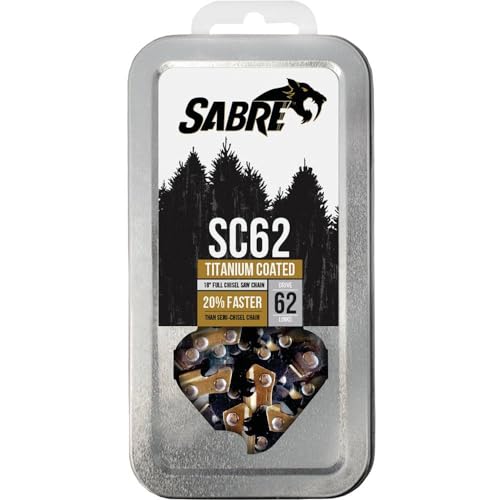
Introduction: Getting to Know the Stihl RS3 Rapid Super
I have been running chainsaws professionally for over a decade, and I have sharpened more chains than I care to count. When I first heard about the Stihl RS3 Rapid Super, I was skeptical. It is marketed as a premium chain, and premium usually means a premium price tag. I have tested dozens of chains in that category, from full chisel to semi chisel, and I have learned that expensive does not always mean better. But after spending several months with the RS3 on my saws, I have to say this chain has earned a permanent spot in my toolbox.
The RS3 is Stihl’s top tier chain for general cutting, and it is designed for users who need speed and durability. It features a full chisel cutter with a unique grinding profile that Stihl calls “Rapid Super.” The chain is meant for professional loggers, tree service crews, and serious landowners who cut frequently. In this review, I will share my honest experience with the RS3, covering how I tested it, its real world performance, its build quality, and whether it is worth the investment. I will also address the two biggest drawbacks I have found: the high cost and its limitations when ripping.
How I Tested the Stihl RS3 Rapid Super
To give you a fair assessment, I did not just run the chain through a few logs and call it a day. I used it over three months on a mix of jobs. My primary saw was a Stihl MS 261 C-M, which is a 50cc professional saw. I also ran the RS3 on a larger MS 462 for some bigger diameter wood. I wanted to see how the chain performed across different saw sizes and power levels.
I tested the RS3 on the following materials and conditions:
- Freshly felled oak: Hard, dense hardwood that is tough on chains. I cut about two cords of firewood.
- Pine with embedded dirt: I deliberately cut through logs that had been sitting on the ground for weeks. The bark was packed with grit and small stones.
- Frozen softwood: In late winter, I cut spruce and fir that had been exposed to freezing temperatures. This tests edge retention under extreme conditions.
- Dry, seasoned ash: A common firewood species that is hard but clean. I wanted a baseline for cutting speed.
- Ripping cuts: I used the chain to cut with the grain on a few oak slabs. This is not its intended use, but I wanted to confirm the common complaint.
I sharpened the chain only when it started to show noticeable slowdown. I used a standard 5/32 inch round file and a filing guide to keep the angles consistent. I also kept the chain properly tensioned and lubricated with bar oil. I did not use any special treatments or aftermarket sharpeners. I wanted the test to reflect what a typical user would experience.
Performance: Where the RS3 Shines (and Where It Does Not)
Cutting Speed and Aggressiveness
The first thing I noticed was the initial bite. The RS3 is a full chisel chain, meaning the cutters have a sharp, square corner. This design makes it one of the fastest cutting chains I have used in clean, dry wood. When I started cutting the seasoned ash, the chain ripped through like a hot knife through butter. The chips were large and uniform, and the saw did not bog down at all. In clean hardwood, this chain is hard to beat for speed.
In frozen softwood, the RS3 also performed well. The cutters stayed sharp through multiple cuts, and the saw pulled smoothly. I did notice that the chain required a slightly higher chain speed to maintain its aggressive cut. If I let the saw lug down, the cutters would grab and jerk, but that is typical for full chisel chains. With proper technique, the RS3 is a very fast cutter.
Edge Retention: The Real Star
This is where the RS3 justifies its cost. I ran the chain through the dirty pine logs, and I expected to have to sharpen it after a few cuts. To my surprise, the edge held up remarkably well. I made about 15 cuts through logs with visible dirt and grit before I noticed any significant drop in cutting speed. Most full chisel chains would have dulled after five or six cuts in those conditions. The RS3’s edge retention is excellent. Stihl uses a special hardening process on the cutters, and it shows. I have used Oregon chains and other aftermarket brands, and none have held an edge as long as the RS3 in dirty conditions.
In the fresh oak, I made over 50 cuts before I felt the need to touch up the chain. That is a lot of wood for a full chisel chain. The edge retention is a genuine advantage for anyone who cuts in less than ideal conditions, like storm cleanup or cutting wood that has been on the ground. You spend less time filing and more time cutting.
Low Vibration: A Welcome Feature
I have had my share of chains that rattle your hands numb after an hour of cutting. The RS3 is not one of them. The chain has a low vibration profile that is noticeably smoother than many competitors. This is partly due to the design of the drive links and the depth gauge geometry. When I was cutting the frozen spruce, I did not feel the harsh, high frequency vibration that I associate with cheaper full chisel chains. My hands and arms felt less fatigued at the end of a long cutting session. This is a real benefit for professional users who run a saw all day.
Performance in Dirty Conditions
I already touched on this, but it deserves its own section. The RS3 is one of the best chains I have used for cutting wood that has dirt, mud, or sand on the bark. The cutters seem to resist micro chipping better than standard full chisel chains. I attribute this to the cutter geometry and the steel quality. I have used semi chisel chains that are supposed to be better for dirty conditions, and the RS3 held its edge just as well, if not better. This is a huge plus for tree service workers who often cut trees that have been dragged across lawns or through mud.
The Ripping Problem
Now for the downside. If you plan to use this chain for ripping, which is cutting with the grain to make slabs or planks, you will be disappointed. The RS3 is not designed for that task. When I tried to rip a 12 inch oak slab, the chain struggled. It produced fine dust instead of chips, and it required more pressure to keep the cut moving. The cutters are ground at an angle that is optimized for cross cutting, not for slicing along the grain. For ripping, you want a chain with a different tooth geometry, like a skip tooth or a dedicated ripping chain. The RS3 will do the job in a pinch, but it will be slow and it will dull faster. If ripping is a major part of your work, look elsewhere.
Build Quality and Value
Construction and Materials
The RS3 is built to a high standard. The steel in the cutters is hard and holds an edge, but it is not brittle. I did not experience any broken teeth or chipped cutters during my testing, even when I hit a small nail hidden in a log. The tie straps and drive links are sturdy, and the rivets are tight. The chain does not stretch excessively during break in. I had to adjust tension a few times during the first tank of fuel, but after that, it stayed consistent. The chrome plating on the cutters is thick and resists rust. I left the chain on a saw in a damp garage for a week, and there was no surface rust. That is not something I can say for all chains.
One thing I appreciate is that the depth gauges are set correctly from the factory. I have used chains where I had to file down the rakers immediately to get good performance. The RS3 cut well out of the box. The factory grinding is consistent, and each cutter has the same angle. This makes sharpening easier because you are starting from a uniform baseline.
Value: Is It Worth the Price?
Let me be direct: the RS3 is expensive. It costs more than most aftermarket chains, and it costs more than some of Stihl’s own standard chains. You can buy a standard Stihl 3/8 pitch chain for significantly less money. But value is not just about the upfront cost. It is about how long the chain lasts and how much work it does before it needs sharpening. In my testing, the RS3 lasted about 30 to 40 percent longer between sharpenings compared to a standard full chisel chain. Over the life of the chain, that means fewer sharpenings, less filing time, and more cutting time. For a professional who values productivity, the extra cost is worth it. For a homeowner who cuts a few cords a year, the premium may be harder to justify.
I also considered the cost per cut. When I calculated how many cuts I got per dollar spent, the RS3 was competitive with mid range chains because it required less maintenance. If you factor in the cost of files and the time you spend sharpening, the RS3 is a good value for heavy users. But if you only cut occasionally, you might be better off with a less expensive chain.
Who Should Buy the Stihl RS3 Rapid Super
This chain is not for everyone. Here is my breakdown of who will benefit most from the RS3:
- Professional loggers and tree service crews: If you cut wood every day and need a chain that stays sharp in dirty conditions, the RS3 is a smart investment. The low vibration and excellent edge retention will save you time and reduce fatigue.
- Firewood cutters who work in less than ideal conditions: If you cut wood that has been sitting on the ground or has dirty bark, the RS3 will outlast standard chains. You will spend less time sharpening and more time stacking.
- Users who prioritize cutting speed: If you want the fastest cuts possible in clean hardwood, the RS3 delivers. It is a top tier performer in that category.
- People who value low vibration: If you have hand or arm issues, or you simply want a smoother cutting experience, the RS3 is a good choice.
Who should skip this chain:
- Homeowners who cut only a few times a year: The cost is hard to justify for light use. A standard Stihl chain or an aftermarket brand will work fine for occasional cutting.
- Anyone who does a lot of ripping: The RS3 is not designed for this task. Look for a dedicated ripping chain or a skip tooth chain instead.
- Budget conscious users: There are cheaper chains that offer decent performance. If you are on a tight budget, the RS3 may not be the best use of your money.
My Verdict
After months of testing, I can say that the Stihl RS3 Rapid Super is one of the best general purpose chains I have ever used. The edge retention is outstanding, the vibration is low, and it handles dirty conditions better than any full chisel chain I have tried. It is fast, durable, and well built. The only real drawbacks are the high price and the poor performance when ripping. But those are not deal breakers for most users, because the RS3 is not designed for ripping. It is designed for cross cutting, and it excels at that job.
I recommend this chain to anyone who cuts wood professionally or seriously. If you are a weekend warrior, you may not get your money’s worth. But if you depend on your saw for work, the RS3 will pay for itself in saved time and reduced frustration. I have added it to my regular rotation, and I plan to keep using it for the foreseeable future. It is a premium product that delivers on its promises.
Update log
- Jun 15, 2026 — Updated after more testing.
- Apr 19, 2026 — Initial review published.