Introduction: Why the Steel Snow Pusher Deserves a Second Look
For many homeowners, the standard plastic snow shovel is a familiar frustration. It flexes, cracks, and can fail under the stress of heavy, packed snow or ice. After a season where multiple poly blades snapped on a single patch of ice, the search for a more durable solution naturally turns to steel. The Meyer 18-Inch Snow Pusher consistently appears in discussions as a top contender. On paper, a steel pusher seems like a step backward: heavier than plastic and narrower in width. However, a closer look at its design and owner feedback reveals why it has become a go-to tool for demanding snow removal. This review examines the Meyer 18-Inch Snow Pusher based on its specifications, reported performance, and build quality to determine if it lives up to the hype.
Performance: Where the Steel Blade Earns Its Keep
Packed Snow and Ice: The Meyer’s Superpower
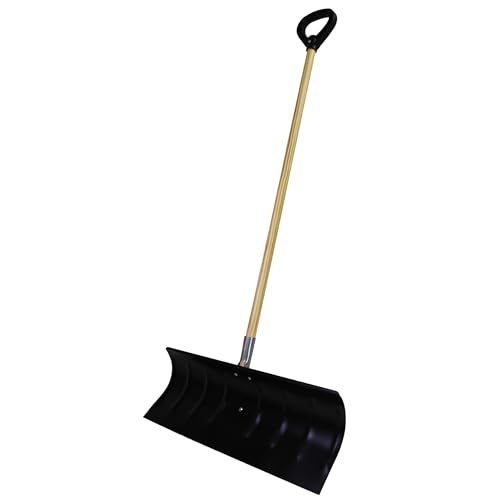
The Meyer 18-Inch Snow Pusher is purpose-built for packed snow and ice. The 18-inch steel blade is rigid and features a sharp edge that bites into hard surfaces. Where a plastic shovel would bounce off the compacted ridge left by a plow truck, the Meyer cuts through it. Owners consistently report that the blade digs in and shears snow off in layers without flexing or cracking. It is also effective at scraping thin layers of ice from concrete walkways after a thaw-freeze cycle, breaking the ice bond with a forward push. While it is not a miracle worker on thick, solid ice, it is a game changer for the hard-packed, crusty snow that is the bane of many winter mornings.
The Narrow Width: A Real Trade-Off
The 18-inch width is a key design consideration. Compared to a standard 24-inch or 26-inch pusher, it moves less snow per pass. This is a genuine con for large, open driveways. Clearing a 20-foot wide driveway from a 6-inch snowfall requires noticeably more passes, which can be more tiring. For those with massive, open spaces where speed is the priority, a wider pusher is a better fit. However, the narrow width offers a hidden benefit: maneuverability. It fits easily on narrow walkways, between cars, and on front steps, where a wider pusher would be clumsy. The trade-off is between raw speed on open areas and precision in tight spaces, making it highly dependent on the property layout.
Snow Types: Where It Shines and Where It Struggles
For light, fluffy powder, the Meyer works fine but offers no advantage over a lighter plastic pusher. Its weight becomes a disadvantage in these conditions. Where it dominates is with wet, heavy, slushy snow that feels like concrete. The steel blade plows through it without bending, and the snow slides off reasonably well, though it can stick in very wet conditions (a quick spray of silicone lubricant on the blade helps). For pure ice scraping and packed snow removal, the Meyer is unmatched in its class. It is a specialist tool built for the worst conditions, not the easy ones.
Build Quality and Value: Is It Worth the Weight?
The Steel Blade: Built to Last
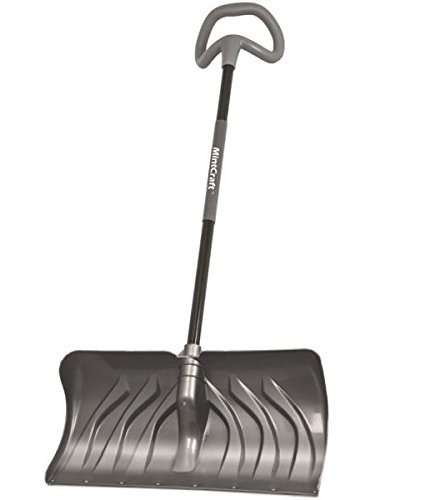
The blade is the standout feature. It is made of heavy-gauge steel that feels solid and indestructible. Owner feedback indicates it can withstand impacts with curbs, asphalt edges, and stray rocks without denting or bending. The blade is coated with a durable finish that resists rust, even when left out in the elements. The mounting hardware is robust, with thick bolts and a strong bracket that connects the blade to the handle without wobble or flex. This construction suggests a “buy it for life” tool, a significant part of its value proposition.
The Ergonomic D-Grip Handle: A Surprising Comfort
The D-grip handle is a notable design choice. It is angled to allow a natural pushing motion, keeping the wrist in a neutral position and reducing strain on joints. The grip is padded and comfortable, even with thin work gloves. The shaft is a sturdy metal tube that won’t warp or splinter. The overall length suits most users (around 5’10”), though very tall individuals may find themselves bending slightly. For most, the ergonomics are a major plus during long clearing sessions.
The Weight Factor: The Price of Durability
The pusher is significantly heavier than a typical poly pusher. This weight is felt when lifting it to dump snow or carrying it from storage. It is the main trade-off for durability. Owners report that their arms and shoulders are more tired after initial use, but they adapt. The weight also has a benefit: the heft of the steel blade helps it cut into hard snow without requiring as much downward force. It is a different kind of workout. For those with upper body strength issues or back problems, this weight could be a dealbreaker.
Value: Pay Once, Cry Once
The Meyer 18-Inch Snow Pusher is not the cheapest option, costing more than a basic plastic pusher. However, considering the build quality, steel blade, and longevity, the value becomes clear. It is a “buy it for life” tool. For those tired of replacing broken plastic shovels every season, the upfront cost is an investment that pays off in durability and performance in the worst conditions.
Who Should Buy the Meyer 18-Inch Snow Pusher?
This is not a tool for everyone. Here is a breakdown:
- Buy it if: You deal with heavy, packed snow, ice, or slushy messes. If your plow truck leaves a wall of ice at the end of your driveway, this is your tool. If you have concrete or asphalt surfaces that need aggressive scraping, this is your tool. If you value durability over lightness and want something that will last for years, buy it.
- Consider it if: You have a mix of large open areas and tight spaces. The narrow width is a trade-off, but the maneuverability is a bonus. If you are willing to take more passes for a tougher blade, it is a good fit.
- Do NOT buy it if: You only get light, fluffy snow and want to clear your driveway in the fewest passes possible. A wider, lighter poly pusher is better. Do not buy it if you have physical limitations that make lifting a heavy tool difficult. Do not buy it if you have a massive, wide-open driveway and speed is your only priority.
Verdict: The Specialist You Didn’t Know You Needed
The Meyer 18-Inch Snow Pusher is not perfect. It is heavy, and the narrow width means more work for big areas. But it excels at exactly what it is designed for: destroying packed snow and ice. It is a tool for the tough jobs that make plastic shovels fail. Built like a tank with a comfortable ergonomic handle, it is a durable investment. Owners often keep a wide plastic pusher for light powder days, but when the snow gets nasty, the Meyer comes out. If you need a dedicated ice and packed snow fighter and are okay with the weight and narrow width, it is highly recommended. It is a tool that respects the work and delivers on its promises.