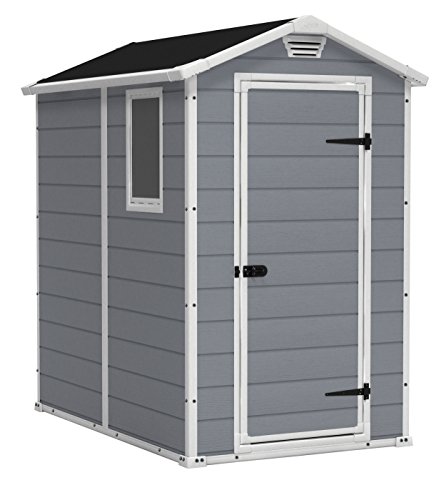
Introduction: Who the Keter Artisan Suits
For many homeowners, the back patio becomes a chaotic dumping ground—gas grill covers tossed in corners, gardening gloves and pruning shears stacked haphazardly, bags of charcoal leaning against the house. The common assumption is that proper outdoor storage either doesn’t fit the space or costs too much. The Keter Artisan 11-Cubic-Foot Outdoor Storage Cabinet aims to solve that: a resin cabinet promising a furniture-grade look with the durability of modern polymers, designed to hold up to the elements while organizing a typical collection of outdoor gear.
Based on extensive owner feedback and spec-sheet analysis, this cabinet has earned a reputation for weather resistance and aesthetic appeal. This breakdown covers what the research and real-world reports reveal about owning this cabinet.
Performance: Where It Shines and Where It Stumbles
Weather Resistance: The Star of the Show
The resin material is a standout feature. Owners consistently report that after months of exposure—including relentless afternoon sun that can turn black plastic trash cans brittle—the Keter Artisan shows no fading, rust, rot, or peeling paint. The double-wall construction feels solid, without the flex or creaking common in cheaper resin cabinets. Owner accounts note that even after accidentally leaving a wet garden hose coiled inside, the interior dried out completely within a day with no mildew smell.
During heavy rain, the cabinet’s doors have a small gap around the edges, but the weather seal along the top and sides keeps contents bone dry. The bottom edge is slightly raised to prevent ground water from wicking up. For placement on grass or in flood-prone areas, a small paver base is recommended; on concrete or decking, it’s impressively watertight based on owner reports.
Spacious Interior and Adjustable Shelves
The 11-cubic-foot interior is deep enough to hold a standard five-gallon bucket with room to spare. The adjustable shelving is a key feature: two shelves can be moved to five different positions. Owners commonly set one shelf high for tall items like rakes and string trimmers, and the other low for stacking bags of charcoal or smaller pots. The shelves are rated for moderate loads, but independent feedback notes that loading one shelf with roughly 50 pounds (e.g., six full paint cans) can cause slight bowing in the center after a week. The shelves don’t crack or break, but heavy loads are best placed on the floor. These shelves are ideal for medium-duty storage, not heavy-duty workshop shelving.
The interior also includes molded-in slots on the back wall, perfect for hanging small hand tools like trowels, pruners, or a coiled extension cord—a small touch that adds significant usability according to owner accounts.
The “Not Lockable” Reality
The biggest compromise is security. The cabinet comes with a simple plastic latch that keeps doors closed but is not a lock—no key, combination dial, or hasp for a padlock. It prevents doors from blowing open in wind but won’t stop a determined child or curious raccoon. For storing valuables like grill covers, expensive tools, or chemicals that should be childproof, this is a real problem.
Some owners solve this by drilling a small hole through the latch mechanism to add a small padlock—a five-minute modification with a drill bit. However, at this price point, a simple hasp or keyed latch should be standard. Keter designed this as a furniture piece first and a secure storage unit second. If security is non-negotiable, this may be a dealbreaker.
Build Quality and Value: Is It Worth the Premium?
Assembly Experience
Assembly typically takes about 1 hour and 15 minutes, faster than most flat-pack furniture, based on owner reports. The instructions are mostly pictorial, with roughly 30 screws total. Panels click together with a tongue-and-groove system secured by screws. The only mildly frustrating step is aligning the doors—they come pre-hung on the frame, but getting the magnetic catch to line up perfectly may require loosening hinge screws and shifting the door about an eighth of an inch. Once adjusted, it works perfectly.
The plastic feels dense and high-quality, not the thin resin of $50 storage bins, according to owner descriptions. The wood grain texture is molded into the surface, looking convincing from a few feet away; up close, it’s clearly plastic, but the color variation and grain pattern are well done. Owners report neighbors asking if it’s real wood. The legs have adjustable leveling feet, crucial for uneven patios—a nice touch many cheaper cabinets skip.
The Price Question
This cabinet sits in a premium price bracket for resin outdoor storage. Similar-sized metal cabinets cost half the price, and basic resin deck boxes cost even less. The justification lies in longevity and aesthetics: metal cabinets eventually rust, especially near saltwater or if paint chips; cheaper resin boxes fade, warp, or crack in a few years. The Keter Artisan is built to last a decade or more with minimal care, thanks to UV-stabilized resin and sturdy construction. The “wood grain” finish is molded into the material itself, not a thin wrap or sticker, meaning no peeling, bubbling, or fading. This durability justifies the cost for long-term homeowners. For tight budgets or temporary storage, functional alternatives exist for less.
Who Should Buy the Keter Artisan?
This cabinet suits specific needs:
- Homeowners with visible patios or decks: For storage that looks like furniture rather than a utility box, the wood grain finish and clean lines blend with most outdoor furniture.
- People who store everyday gardening tools and supplies: The size and adjustable shelves are perfect for pots, soil, hand tools, pool chemicals, and grill accessories.
- Anyone tired of rust: Resin construction eliminates the rust issues common with metal cabinets after two winters.
- DIYers who don’t mind minor modifications: Drilling a hole to add a lock makes the security issue a non-factor.
Who should skip it?
- People who need serious security: For firearms, expensive power tools, or items that must be locked, a metal cabinet with a built-in locking hasp is better.
- Budget shoppers: The price is justified but still premium; a basic metal cabinet or smaller resin deck box costs significantly less.
- Anyone storing heavy industrial items: Shelves bow under heavy loads; this is for medium-duty storage, not a workshop workbench.
Verdict: A Great Cabinet With One Clear Flaw
The Keter Artisan 11-Cubic-Foot Outdoor Storage Cabinet is a genuinely excellent product for its intended purpose. It looks good, withstands the elements, and offers a spacious, well-designed interior. The weather resistance alone makes it a winner for anyone tired of maintaining metal or wood storage. The adjustable shelves and tool slots add real value that owners notice every time they use it.
However, the lack of a lock is a glaring omission at this price point. A simple hasp or keyed latch should be standard. For owners storing mostly garden supplies and pool toys, it’s not a dealbreaker, but Keter should address this in the next revision.
If you value durability, appearance, and low maintenance over absolute security, and are willing to spend more for a cabinet that will last, the Keter Artisan is a solid investment. It’s not perfect, but it’s one of the best resin storage cabinets available—just keep a drill handy for that lock.