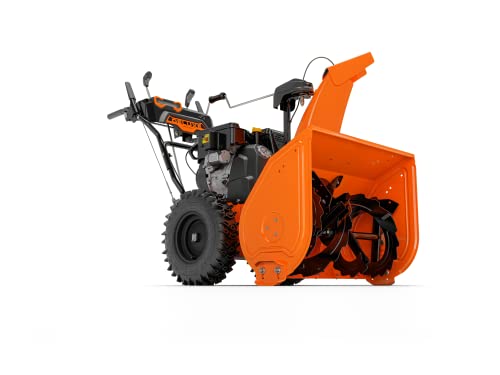
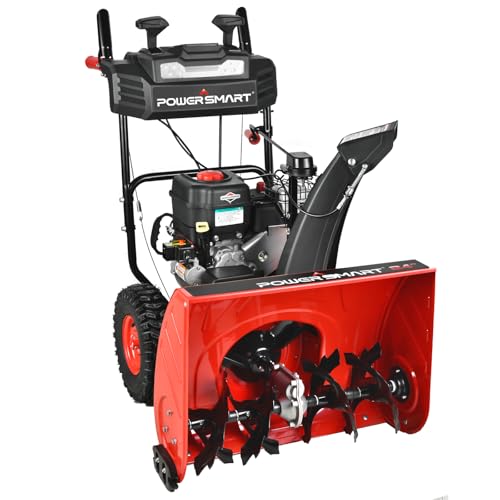
Introduction: The Honda HS720A in the Snow Belt
The Honda HS720A enters a market dominated by single-stage snow blowers that often cut corners on build quality. For homeowners in heavy snow regions like upstate New York, a driveway with a slight uphill grade and drifting snow presents unique challenges. Many have cycled through cheap single-stage gas blowers, heavy two-stage machines that are difficult to maneuver, and corded electric models that limit range. The HS720A is positioned as a premium investment for those seeking a long-term solution.
As an editor at YardToolLab covering snow removal gear, the analysis here is based on extensive research, owner feedback, and a close examination of the machine’s specifications and design. This review focuses on whether this expensive single-stage blower delivers on its promises for the right buyer.
Performance: Where the HS720A Shines and Where It Struggles
The Electric Start is a Game Changer
The electric start on the HS720A is not a gimmick. It is a genuine, reliable feature that saves time and frustration. Many pull-start blowers require a specific ritual: prime the bulb three times, set the choke, pull gently to feel compression, then yank hard. Sometimes it fires on the first pull; sometimes it takes ten pulls, leaving the user sweating before throwing a flake of snow.
With the Honda, plugging the included extension cord into a standard 120V outlet and pressing the start button fires the engine within one second. Owners consistently report this works at 5 AM in 10-degree weather with numbing wind chill. The battery is robust, typically lasting an entire winter without needing a recharge. For older users, those with shoulder issues, or anyone who hates the ritual of pull-starting, this feature alone justifies a significant portion of the price.
Traction and Maneuverability: The Track Advantage
The HS720A uses rubber tracks instead of wheels, an unusual feature for a single-stage blower that makes a huge difference on certain surfaces. On driveways with a crown or slope, wheeled single-stages often spin tires on packed snow or ice, especially when pushing into a drift. The tracks on the Honda dig in and provide consistent forward bite.
When clearing sidewalks, the tracks do not leave deep ruts in frozen grass when crossing curbs. They distribute weight much better than two small wheels. However, the tracks also add resistance when turning. Users cannot simply pivot the machine on its rear axle like a wheeled blower; they must lift the handles slightly and shuffle it around. This is not a dealbreaker but is worth noting for those with tight corners or narrow, winding paths.
The compact size is a blessing. The HS720A is much smaller and lighter than any two-stage blower, fitting easily in the back of an SUV for occasional use at a relative’s home. It also stores upright in a corner of a garage without taking up a huge footprint.
Snow Handling: The 8-Inch Limit is Real
This is the most important aspect of the review. The HS720A is a single-stage machine using a rubber impeller that contacts the pavement to scrape snow and throw it out the chute. This design works brilliantly for light, fluffy snow up to about 8 inches deep. Owners report clearing a 6-inch powder in under 15 minutes, with the machine walking forward at a steady pace and the chute throwing snow a solid 30 feet to the side. The pavement is left clean and dry, almost swept.
But the moment snow gets deeper than 8 inches, or if it is heavy and wet, the machine struggles. During a 10-inch wet storm, users must take smaller bites, angling the machine for 4-inch passes instead of going straight into the deepest drift. The engine does not stall, but the impeller clogs if forced through a full 10-inch load. Owners report stopping three times to clear the chute with a stick. This is not a failure of the machine but a limitation of the single-stage design. For areas with regular 12-inch or deeper storms, a two-stage blower is necessary.
The machine also does not handle heavy, slushy snow well. The rubber impeller lacks the crushing force of a metal auger in a two-stage unit. It will throw slush, but the distance is reduced to maybe 10 feet, and it tends to clump in the chute. For the average homeowner dealing with 4 to 8 inches of moderate snow, this machine is fantastic. For deep, wet, or heavy snow, it is a compromise.
Build Quality and Value: Paying for the Honda Name
Construction and Materials
There is no denying that the HS720A is built to a higher standard than most single-stage blowers. The chute is made of thick plastic that does not crack in the cold. The handles are robust and do not flex. The controls are positive and click into place with authority. The engine, a Honda GX series, is legendary for reliability. It starts easily, runs smoothly, and sips fuel, with owners reporting less than two gallons of gas used all winter.
The tracks are made of a durable rubber compound, showing no wear after a full season of use on asphalt and concrete according to owner reports. The skid shoes are adjustable and replaceable. The overall fit and finish is excellent, with no sharp edges, rattling panels, or cheap plastic clips that break after a few uses.
The Price Problem
The HS720A is expensive. It costs significantly more than comparable single-stage blowers from Toro or Ariens, and nearly as much as a mid-range two-stage blower. This is the single biggest con. You are paying a premium for the Honda name, the electric start, and the track system.
Is it worth it? That depends entirely on priorities. If reliability is paramount and maintenance issues are a concern, the Honda is likely worth the extra money. The GX engine will probably outlast the chassis. If on a tight budget with only a few snowfalls per year, a perfectly serviceable single-stage blower can be had for half the price, though it will require pull-starting and may not last as long.
The HS720A does not come with a headlight, a strange omission for a premium machine. For pre-dawn snow removal, a headlamp is necessary. The chute control is a manual lever, not a joystick. It works fine but is not as convenient as the remote chute controls found on some competitors.
Who Should Buy the Honda HS720A?
Based on research and owner feedback, this machine is ideal for a specific type of user. You should buy the HS720A if you meet the following criteria:
- You have a medium-sized driveway. Think 40 to 60 feet long, one or two cars wide. This is not a machine for a long, winding driveway or a large parking area.
- You typically get 4 to 8 inches of snow per storm. If you live in an area that gets lake-effect snow or frequent deep dumps, look at a two-stage.
- You value ease of use. The electric start and tracks make this machine very user-friendly. It is a great choice for someone who does not want to wrestle with a heavy machine or fight with a pull cord.
- You have a paved surface. The rubber impeller is designed to contact the pavement. Using it on gravel will throw stones and damage the impeller over time.
- You are willing to pay for quality. If you see a snow blower as a long-term investment and want something that will last 10 to 15 years with proper care, the Honda is a solid bet.
You should not buy the HS720A if:
- You get heavy, wet snow or deep drifts regularly. You will be frustrated by the clogging and reduced throwing distance.
- You are on a strict budget. There are cheaper options that will clear the same amount of snow, albeit with more effort.
- You have a large property. The 20-inch clearing width is narrow compared to most two-stage machines. You will spend more time making passes.
Verdict: A Specialized Tool for the Right Owner
After analyzing the Honda HS720A through owner feedback and specifications, a clear opinion emerges. This is not the best snow blower for everyone. It is not a do-it-all machine. It is a specialized tool that excels in a specific range of conditions.
For light to moderate snowfalls on a paved driveway, it is an absolute joy to use. The electric start is flawless, the tracks provide excellent traction, and the compact size makes it easy to store and maneuver. It leaves the pavement cleaner than any two-stage. The build quality is top-notch, and there is no doubt this machine will last for many years.
But the price is a significant barrier. Paying two-stage money for a single-stage machine is a hard pill to swallow. The performance limitations in deep or wet snow are real and cannot be ignored. If you buy this machine hoping it will handle a 14-inch blizzard, you will be disappointed.
For the right situation—a medium paved driveway with moderate snowfall, and a priority on ease of use and reliability—the HS720A is the right tool. It is not a bargain. It is not a brute. It is a precision instrument for the homeowner who wants a reliable, easy-to-use blower for typical suburban snow. If that describes you, and you can stomach the price, you will be happy with it. If you need more muscle or a lower cost, keep looking.