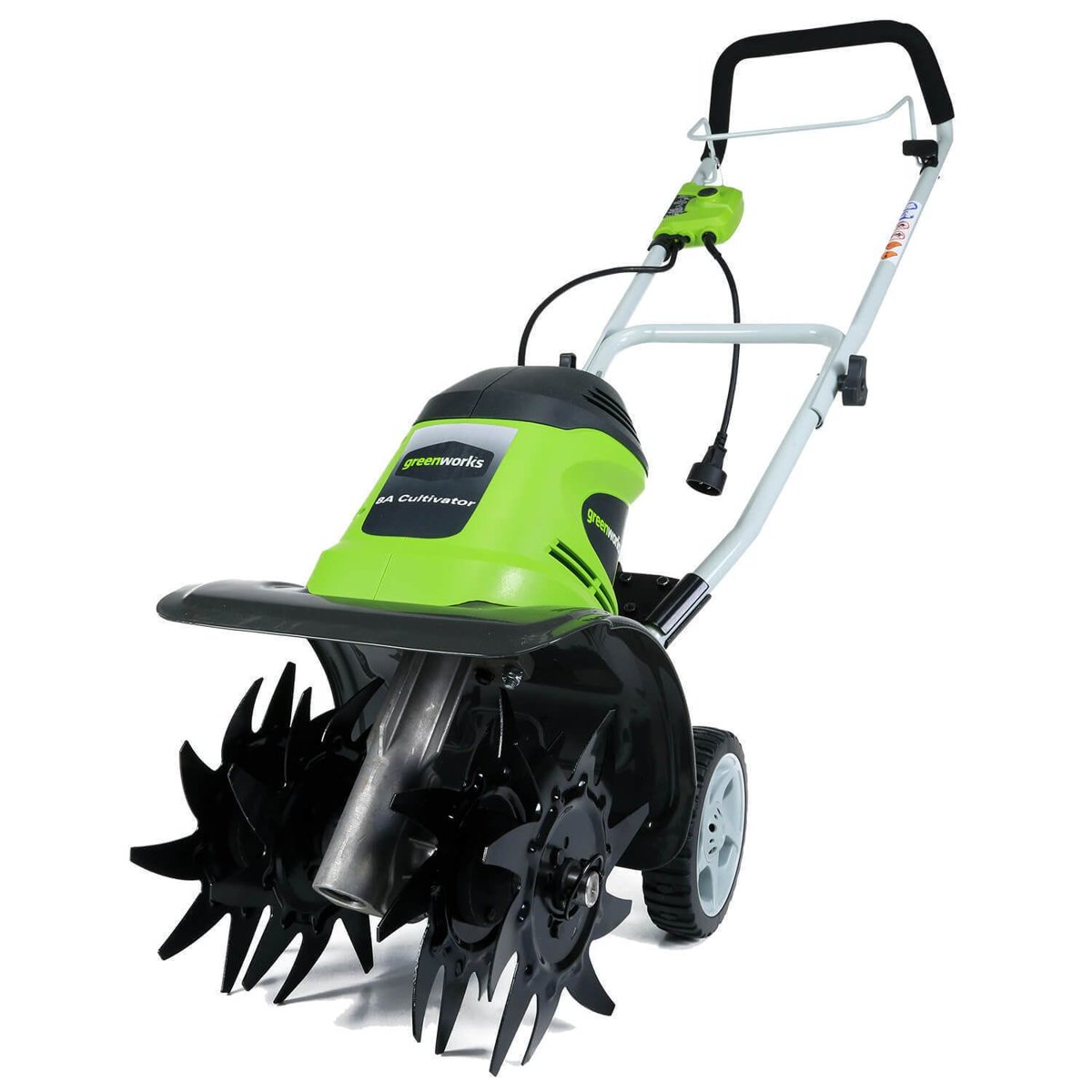
An Honest Take on the Greenworks 10 Amp 14-Inch Corded Plug Aerator
For homeowners who have dealt with gas-powered lawn equipment—the smell, the noise, the maintenance—the idea of a corded electric aerator can sound like a step backward. But the Greenworks 10 Amp 14-Inch Corded Plug Aerator is designed to address those exact frustrations. This review is based on research, owner feedback, and a close look at the specs, to help you decide if this tool fits your lawn.
Performance
Core Depth and Soil Removal
The most critical question: Does it pull cores? Yes, it does. On average soil (like loam or sandy loam), owners consistently report that the Greenworks aerator pulls cores between 2.5 and 3 inches deep. The cores are clean and well-formed, leaving a consistent pattern of holes across the lawn.
On heavy clay soil, performance drops. Owner feedback indicates core depth falls to about 1.5 to 2 inches. The machine still extracts cores, but it requires a slower walking pace and more downward pressure. Cores may be shorter or crumble during extraction. This is not a flaw unique to this machine—clay soil is notoriously difficult to aerate, and even gas-powered aerators can struggle. However, it is a key consideration if your soil is heavy clay.
On rocky or heavily compacted ground, the aerator performs poorly. The tines bounce and fail to penetrate more than half an inch. This machine is not recommended for rocky soil; doing so risks frustration and potential damage to the tines.
Ease of Use and Maneuverability
At 45 pounds, this is one of the lightest powered aerators available. For comparison, many gas-powered units weigh nearly 100 pounds. The machine is well-balanced, with padded handles, and is easy to push, turn, and lift over flower beds. Starting it is as simple as plugging in and squeezing a trigger—no choke, primer bulb, or pull cord. The motor is notably quiet, allowing for conversation during use and minimal disturbance to neighbors.
The 14-inch width is a practical compromise: narrow enough for tight spaces but wide enough to cover ground reasonably efficiently. A wider swath might strain the motor, while a narrower one would slow the job.
The Cord Limitation
The cord is the primary limitation. You are tethered to an outlet. For a medium-sized yard (about a quarter acre), a 100-foot heavy-duty extension cord can reach most areas, but careful path planning is required. You must avoid running over the cord or tangling it in the tines. For larger yards (half an acre or more), you may need two extension cords and will have to move the machine to a new outlet midway. This adds time and hassle. For small to medium yards, it is manageable but should be factored into your decision.
Build and Value
Construction Quality
The Greenworks aerator uses a significant amount of plastic in its housing, handle, and guards to keep weight down to 45 pounds. While plastic can feel less premium, owner reports indicate that it is thick and durable, with no common reports of cracking under normal use. The tines are steel and appear built to last several seasons. The motor is brushless, which typically offers longer life and less maintenance than a brushed motor.
Long-term durability concerns exist: hitting a large rock or tree root could crack the plastic housing or bend the tines. This is a homeowner-grade tool, not built for commercial use or heavy abuse. With reasonable care, it should last for years.
Value for the Money
Pricing varies, but this machine typically sits in the mid-range for corded aerators. It costs more than manual spike aerators or tow-behind units but is significantly less expensive than gas-powered self-propelled models. The value lies in its quiet, emissions-free operation, light weight, and ease of use. You are paying for convenience, not commercial-grade durability or unlimited range. For the right user, this trade-off offers solid value.
Maintenance
Maintenance is minimal: no oil changes, spark plugs, or air filters to replace. Simply wipe it down after use and store it in a dry place. The tines will wear over time but are replaceable. This is a major advantage over gas machines, which require regular upkeep.
Who Should Buy It
This aerator is ideal for homeowners with small to medium lawns and average soil (loam, sandy loam, or moderately compacted soil). It suits those who value quiet operation and want to avoid gas engine hassle. Its 45-pound weight and easy-start trigger make it accessible for older adults or anyone with physical limitations.
Do not buy this aerator if you have heavy clay soil—it will work but struggle, with mediocre results. Avoid it if you have a large yard far from outlets, as the cord will be a significant frustration. It is also not suitable for rocky ground or commercial use. This is strictly a homeowner tool for decent soil.
Verdict
The Greenworks 10 Amp 14-Inch Corded Plug Aerator is a solid tool for the right user. It pulls good cores on average soil, is quiet and lightweight, and is incredibly easy to use. The cord is a real limitation, but it is manageable for small to medium yards.
This machine is a strong choice for the suburban homeowner who wants to improve their lawn without gas engine hassle. It is not a powerhouse for heavy clay or rocky ground, but for the majority of lawns, it gets the job done well. If your soil is decent and your yard is small to medium, this is a smart, practical investment in a healthier lawn. For heavy clay or large yards, consider a gas-powered aerator or a rental.