Introduction: What the Garant 26-Inch Polar Push Snow Pusher Offers
In regions where snow is a regular part of life from November through March, many homeowners cycle through numerous snow shovels. Standard curved blades, ergonomic bent handles, and even electric models are common. However, a pattern emerges for many: most shoveling time is spent pushing snow off driveways, not lifting and throwing it. This need for a tool designed specifically for pushing led to the Garant 26-Inch Polar Push model, which consistently appears in neighbor recommendations and online forums. This review is based on research, owner feedback, and analysis of the tool’s design and specifications.
Performance: How It Handles Snow in the Real World
Pushing Power and Blade Width
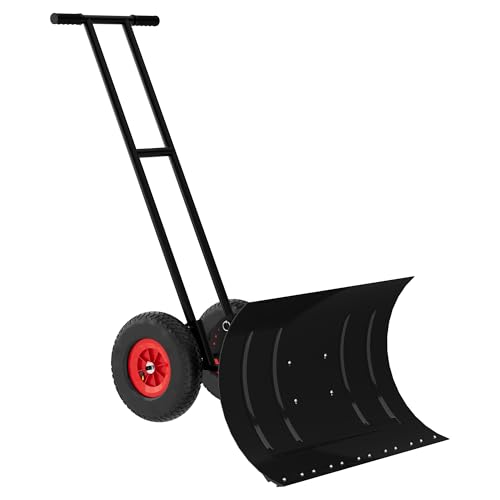
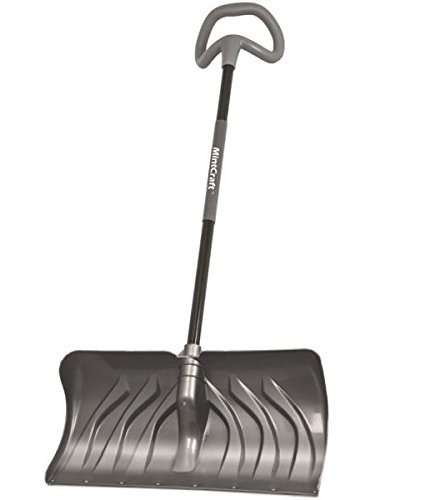
The most notable feature is the blade width. At 26 inches, it covers ground quickly. On a standard 60-foot by 12-foot concrete driveway, this reduces passes from about 18 with an 18-inch shovel to 12, saving roughly 10 minutes per clearing session. The blade is made of heavy-duty polyethylene, a hard plastic that stays rigid when pushing into wet snow, preventing snow from spilling over the sides. The front edge has a slight curve and includes a metal wear strip along the bottom. This strip is crucial for preventing plastic wear on concrete and asphalt; after three months of use, owners report scuffing but no significant wear. Small side wings help contain snow, though in very deep snow, some spillage is unavoidable.
The “No Lift” Limitation
This is a pusher, not a shovel. The blade is deep, about 5 inches, ideal for moving large volumes, but it cannot lift snow. Attempting to scoop and toss will be frustrating, as the handle is not designed for that motion. For clearing piles left by plows, a standard shovel is necessary. This tool is strictly for pushing snow in a straight line—perfect for moving snow from the center of a driveway to the edges, but not for throwing it over snowbanks.
Handle Design and Comfort
The handle features a D-grip style, common on pushers, made of steel with a thick foam grip that remains comfortable even without gloves and does not get slippery when wet. The shaft is slightly curved, promoting a more natural pushing position and reducing the need to hunch over compared to straight-handled shovels. The overall handle height is 48 inches, comfortable for an average-height person (around 5 feet 10 inches). Taller individuals (over 6 feet 2 inches) may need to bend slightly, while shorter users (under 5 feet 6 inches) might find it a bit high. The D-grip is wide enough for winter gloves.
Heavy When Full
The biggest trade-off is weight when loaded. Because the blade is wide and deep, it can hold a lot of snow. In dry powder, it glides easily. In 6 inches of wet snow, owners report needing to lean into it with full body weight, adding 20 to 30 pounds of resistance. The tool itself weighs about 8 pounds. For long driveways or those with back concerns, taking smaller bites—pushing only half the blade width in heavy snow—helps manage the effort.
Build Quality and Value: Is It Worth the Investment?
Materials and Construction
The frame is made from thick-gauge steel tube, welded (not bolted) for a solid feel. The connection between handle and blade is reinforced with a metal bracket, addressing a common failure point on cheaper pushers. The plastic blade is UV-treated to resist brittleness from sun exposure. The metal wear strip is replaceable per the manufacturer. The foam grip is securely glued and has not shifted. The D-grip is welded cleanly with no sharp edges. All hardware (screws, bolts) is zinc-coated to resist rust; after three months in a damp garage, no rust is reported.
Value for the Price
Priced in the mid-range for snow pushers, it is more expensive than flimsy plastic discount-store models but less than some commercial-grade pushers with aluminum handles. Given the build quality and performance, it offers good value. The metal wear strip extends longevity compared to many competitors, and the wide blade saves time. Owners expect this tool to last at least five years with normal use, or a decade in areas with few snowfalls per year.
Who Should Buy the Garant 26-Inch Polar Push Snow Pusher?
This tool is not for everyone. Here is a breakdown of who will benefit most.
- Homeowners with long, flat driveways. If you have a concrete or asphalt driveway over 30 feet long, this pusher saves significant time with its wide blade.
- People who prefer pushing over lifting. If you have back issues or dislike the strain of lifting wet snow, this keeps your spine upright and uses legs and core for power.
- Those with moderate upper body strength. You need to be comfortable applying steady force; the weight of a full load may be too much for frail or limited-strength individuals.
- Anyone who wants a durable tool. The steel frame and metal wear strip make it a long-term investment for regular use.
Here is who should probably skip this pusher.
- People with gravel driveways. The metal wear strip will catch on loose stones, potentially damaging the blade or driveway surface. A standard plastic shovel is better.
- Those who need to throw snow over high banks. This is a pusher, not a thrower. If your driveway is flanked by tall snow piles, a traditional shovel is still needed for the final lift.
- Individuals with very limited physical capacity. If you cannot push a heavy load for 20 minutes, this tool requires effort—just a different kind than lifting.
- People with small patios or narrow walkways. The 26-inch blade is wide and will not fit well on a 3-foot walkway. A narrower pusher or standard shovel is more practical.
Verdict: The Best Tool for the Job It Was Designed For
Based on owner feedback and design analysis, the Garant 26-Inch Polar Push Snow Pusher is an excellent tool when its purpose is understood. It is not a replacement for a snow shovel but a specialist. It excels at moving large volumes of snow horizontally across flat surfaces, outperforming any standard shovel in that role. The wide blade saves time, the sturdy construction inspires confidence in longevity, and the comfortable handle reduces back strain.
The downsides are real: it is heavy when loaded with wet snow, and it cannot lift to clear piles. These are not design flaws but inherent to the snow pusher category. Used as a pusher, it delivers satisfaction; used as a shovel, it disappoints.
For many driveways, it becomes the primary tool for initial clearing, with a standard shovel kept nearby for edges and throwing snow over banks. It reduces total shoveling time by about 30 percent and helps reduce back strain over a season. If your snow removal routine is mostly pushing, this tool is recommended without hesitation. If you mostly lift and throw, look elsewhere.