Introduction
The Cub Cadet XT1 LT50 is the model in the XT1 series equipped with a 50-inch fabricated deck, a feature typically reserved for more expensive machines. Cub Cadet has a reputation for building machines that straddle the line between homeowner-grade and light commercial, and the XT1 series is their entry-level offering. This review examines whether the LT50 can deliver professional-level cut quality and durability at a residential price point, based on its specifications, owner feedback, and industry analysis.
Performance
Engine and Powertrain
The Cub Cadet XT1 LT50 is powered by a 24-horsepower Kohler 7000 series V-twin engine. This is a solid, reliable powerplant common in this class of mower. Owners consistently report that it starts easily, even after sitting for a week in cool weather. The throttle and choke controls are intuitive and within easy reach. The engine provides ample power for the 50-inch deck, with no reports of bogging down in thick grass at a brisk pace. The transmission is a hydrostatic unit, eliminating clutching or gear shifting; the operator simply presses the forward or reverse pedal. Speed control is smooth and predictable. The top speed is adequate for efficient coverage without feeling rushed.
Cut Quality and Deck Performance
The 50-inch fabricated deck is the standout feature. Fabricated decks are cut from a single piece of heavy-gauge steel and welded, as opposed to stamped decks pressed from thinner sheet metal. This results in a deck that is more rigid, durable, and less prone to warping or cracking over time. On the spec sheet, the deck is designed with a deep, aerodynamic shape that lifts grass before cutting, producing a clean, even finish. Owners report no scalping or uneven strips, even at slightly faster paces. The cutting height range is 1.5 inches to 4 inches, covering most residential needs. A washout port simplifies underside cleaning. The deck is heavy, which contributes to durability and cut quality but is felt during tight turns.
Slope Performance and Limitations
The LT50 is not designed for steep hills. It is a rear-engine, rear-wheel-drive machine with decent weight distribution but lacks the aggressive traction of models with locking differentials or wider, more aggressive tires. On moderately sloped areas, performance is fine, with consistent cut quality. On steeper sections, owners report occasional rear wheel spin in damp grass and some instability when turning on slopes. It is not recommended for slopes steeper than about 15 degrees. For flat to gently rolling terrain, the LT50 is suitable; for significant hills, a model with more traction or a zero-turn mower is advisable.
Build and Value
Chassis and Frame
The frame of the XT1 LT50 is a heavy-duty, full-length steel channel frame. It feels solid and well-constructed, with no flex or wobble on uneven ground. The front axle is cast iron, a notable feature at this price point, as cast iron is more durable than stamped steel axles found on many budget mowers. It handles the weight of the heavy fabricated deck without issues. The overall build quality is impressive for the price, with Cub Cadet prioritizing structural integrity over thinner gauge steel and cheaper plastic components used in some competitors.
The Plastic Fender Deck: A Real Compromise
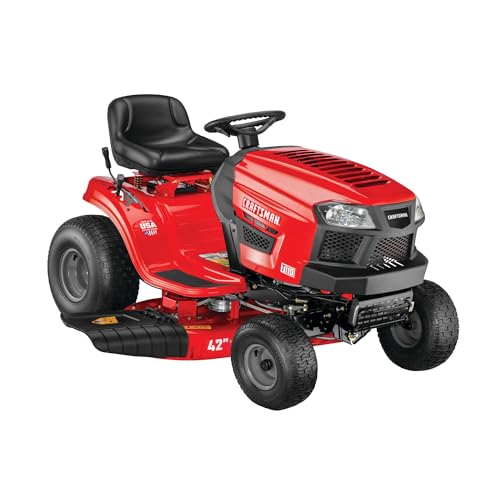
The fender deck, the area around the feet and control panel, is made of plastic. This is a cost-saving measure and one of the most obvious compromises on the LT50. The plastic feels sturdy enough and does not flex or creak excessively, but it does not inspire the same confidence as steel. Over time, there are concerns about UV exposure causing brittleness or cracking from impacts. Mounting accessories like a cup holder or phone mount is harder without drilling into the plastic. For the price, it is an understandable trade-off, but it is worth noting for those seeking an entirely industrial-grade feel. The plastic also shows scratches and scuffs more easily than painted steel.
Comfort and Ergonomics
The high-back seat is comfortable for this class, with armrests appreciated for long sessions. It is not a suspension seat, so bumps and dips are felt more than on premium models, but the foam is thick enough for an hour or two of comfort. The steering wheel is a standard 14-inch wheel with a decent turning radius, though not as tight as a zero-turn mower. Controls are logically laid out: blade engagement lever on the right, parking brake on the left, PTO switch on the dash. Everything is within easy reach. The foot pedals for forward and reverse are well-placed with good feel, though the forward pedal requires a slightly firmer press to reach full speed, which owners adapt to after a few uses.
Warranty and Support
One of the strongest selling points of the Cub Cadet XT1 series is the warranty. Cub Cadet offers a 3-year limited warranty on the mower and a 5-year limited warranty on the fabricated deck. This is significantly better than many competitors offering only 2-year warranties on the entire machine, indicating confidence in the fabricated deck’s durability. Customer service is generally reported as responsive and helpful. The warranty adds considerable value, especially for first-time riding mower buyers concerned about long-term reliability.
Who Should Buy It
The Cub Cadet XT1 LT50 is an excellent choice for the homeowner with a medium to large lawn, typically between 1 and 3 acres, that is mostly flat or has only gentle slopes. It suits those who value cut quality and want a deck that will hold up for years without rusting or needing replacement. It is also a great option for someone new to riding mowers, as the hydrostatic transmission makes it easy to operate and controls are simple and intuitive. Maintenance—oil changes, air filter changes, blade swaps—is straightforward. For budget-conscious buyers seeking professional-grade cut quality without professional-grade prices, the LT50 is a strong contender. It also appeals to those wanting to avoid the complexity and higher maintenance of a zero-turn mower while still having a large, durable deck.
However, this mower is not for everyone. If you have a property with steep hills, traction and stability limitations will be frustrating. If you want a machine that feels entirely premium with no plastic components, you will need to spend more on a higher-end model. And if you need to mow a very large property over 3 acres, the 50-inch deck may be slow compared to a 54-inch or 60-inch deck on a larger machine. For the vast majority of homeowners, the LT50 hits a sweet spot of price, performance, and durability.
Verdict
The Cub Cadet XT1 LT50 is one of the best values in the residential riding mower market today. It is not perfect: the plastic fender deck is a compromise, and slope performance is limited. But the core of this machine—the fabricated 50-inch deck and robust frame—is outstanding. Cut quality is consistently excellent, the engine is reliable, and ease of operation is a joy. The warranty provides peace of mind for a smart long-term investment. For those with the right terrain, the XT1 LT50 is a workhorse that delivers where it counts.