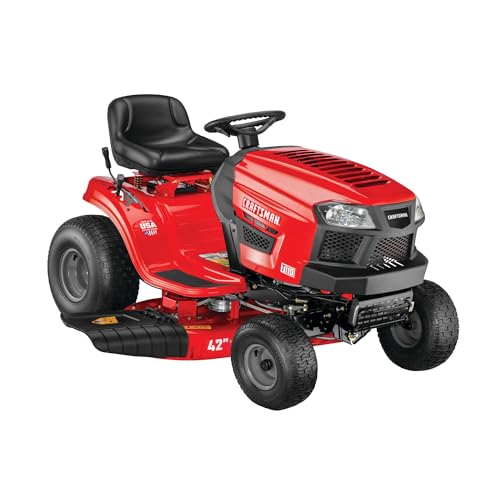
Introduction: Who the Cub Cadet Ultima ZTX6 Is For
The Cub Cadet Ultima ZTX6 sits in a sweet spot between homeowner and light commercial use. On the spec sheet, it offers a fabricated deck, a high-back seat with armrests, and a price point that undercuts many competitors. This machine is designed for those who need durable, comfortable performance on large, well-maintained lawns, but it has clear limitations that buyers should understand before purchasing.
Performance: The Good and the Not-So-Good
Cut Quality and Maneuverability
When the grass is dry and at a reasonable height, the ZTX6 delivers a clean, professional-looking cut. The 54-inch fabricated deck is well-designed, with a deep deck profile that lifts the grass before the blades hit it. Owners consistently report minimal clumping, even in fescue that is a bit shaggy. The zero-turn capability is responsive. The lap bars are smooth and require just a light touch to pivot the machine around trees and flower beds. Users can trim within an inch of obstacles without needing to circle back for touch-ups, which is a significant time saver.
The turning radius is tight, but the rear tires can leave slight scuff marks on soft turf if you crank the wheel at full speed. That is common with most zero turns, but it is worth mentioning if you have delicate grass.
The Engine Concern: Lacks Power in Thick, Wet Grass
This is where the ZTX6 shows its limitations. The mower is equipped with a 23-horsepower Kawasaki engine. On paper, that is adequate for a 54-inch deck. In practice, it struggles when the grass is damp and thick. On a morning when the dew is heavy and the St. Augustine is about five inches tall, engaging the blades and moving forward can cause the engine to bog down noticeably. Owners report having to reduce ground speed to a crawl to avoid leaving uncut strips. In dense patches, the engine can actually stall when accelerating with the blades engaged, requiring the operator to disengage the blades, move forward, and re-engage them at a lower speed.
This is a real drawback if you live in a region with frequent rain or if you let your grass get a little tall between cuts. The engine simply does not have the torque reserve that a 25 or 26 horsepower unit would provide. For dry, well-maintained lawns, it is fine. But if you need to cut wet grass out of necessity, you will be frustrated.
Scalping on Uneven Terrain
The second performance issue is scalping. The ZTX6 has a fixed deck that does not have a fully floating design. On bumpy yards, the deck can dig into high spots, leaving bare dirt patches. The anti-scalp wheels are small and not particularly effective at preventing the deck from contacting the ground on sharp transitions. If your lawn is perfectly flat, this will not be a problem. But if you have dips, bumps, or drainage swales, you will need to be very careful with your speed and turning angle. Raising the deck height to 4 inches can minimize the issue, but that leaves the grass longer than many prefer.
Build Quality and Value: What You Get for Your Money
The Fabricated Deck Is a Standout Feature
One of the biggest selling points of the ZTX6 is its fabricated deck. Unlike stamped decks that are pressed from a single sheet of metal, this deck is welded from multiple pieces of heavy-gauge steel. The difference in durability is significant. Stamped decks can crack at the welds after a few years of hard use, especially if you hit rocks or stumps. The fabricated deck on the ZTX6 feels like it can take a beating. Owners report that running over small sticks or hidden obstacles leaves no dents or deformation. The underside is also coated with a rust-resistant finish, which is important if you store your mower outdoors or in a damp shed.
Comfort: The Seat and Armrests Make a Difference
Users can spend three hours straight on this mower without needing a break. The high-back seat is supportive, and the armrests are padded and adjustable. They do not get in the way when you need to swing your leg over the side to dismount. The suspension on the seat is basic but effective for small bumps. On larger dips, you will still feel the jolt, but that is true of most mowers in this class. The foot platform is wide and has a textured surface that gives boots good grip even when wet.
Easy Maintenance: A Mechanic’s Dream
The ZTX6 is designed for easy maintenance. The deck can be raised to its highest position, and you can reach the blades without crawling underneath. The spindles have grease fittings that are easy to access. The oil drain valve is located on the side of the engine, so you do not have to tilt the mower or use a pump. The air filter is exposed and easy to change. The battery is under the seat and can be accessed by lifting the seat base. There is even a fuel shutoff valve, which is a small detail that many manufacturers omit. These features mean you can spend more time mowing and less time wrenching.
Value Proposition: More Deck for Less Money
When comparing the ZTX6 to similar zero turns from brands like John Deere or Husqvarna, the value is clear. You get a fabricated deck, a comfortable seat, and a decent engine for a price that is often several hundred dollars less than the competition. The trade-off is the engine power and the scalping tendency. If you are willing to accept those limitations, you are getting a lot of machine for your dollar. The frame is heavy-duty, the tires are good quality, and the overall fit and finish are above average for this price bracket.
Who Should Buy the Cub Cadet Ultima ZTX6?
This mower is not for everyone. Here is who will love it and who should look elsewhere.
Ideal Buyer: The Homeowner with a Large, Flat Lawn
- You have 2 to 5 acres of relatively flat grass.
- You cut on a regular schedule and avoid mowing when the grass is wet.
- You want a durable, fabricated deck that will last for years.
- You value comfort for long mowing sessions.
- You are comfortable performing basic maintenance yourself.
Not Ideal For: The Professional or Owner of Rough Terrain
- You need to cut thick, wet grass frequently.
- Your lawn has significant dips, bumps, or slopes.
- You require a commercial-grade engine with high torque.
- You want a fully floating deck that eliminates scalping.
If you fall into the first category, the ZTX6 is a fantastic choice. If you fall into the second, you will be better served by a model with a more powerful engine and a deck suspension system. First-time zero turn users with very uneven lawns should also be cautious, as the learning curve for scalping is steep and can damage turf before you get the hang of it.
Verdict: A Solid Mower With Clear Compromises
The Cub Cadet Ultima ZTX6 is a well-built, value-oriented zero turn that excels in the right conditions. The fabricated deck is a genuine highlight, the seat is comfortable for long days, and the maintenance access is excellent. Cub Cadet did not cut corners on the frame or the deck construction.
However, the engine’s lack of power in challenging conditions is a notable limitation. In thick, wet grass, the mower feels underpowered. On bumpy terrain, the scalping issue is a constant annoyance. These are not deal-breakers for everyone, but they are real limitations that need to be considered before buying.
If you have a flat, dry lawn and you cut on a regular schedule, the ZTX6 will give you years of reliable service and a great cut. If your property is rough or you frequently deal with wet grass, spending a bit more for a model with a larger engine and a deck that floats better is recommended. For the right conditions, the ZTX6 is a capable machine that offers solid value, but it is not the best choice for every property.