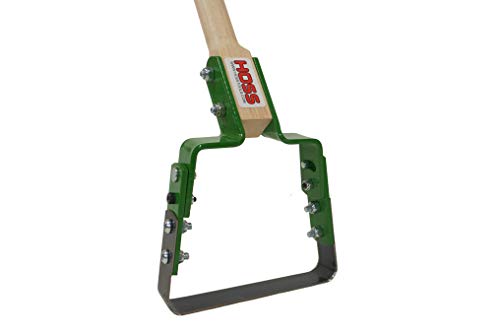
An Honest Look at the Corona SH 6000 Hoe
The Corona SH 6000 Hoe is a tool that has generated considerable discussion among gardeners. At its price point, many tools feel flimsy or dull quickly. This review examines what the Corona SH 6000 does well and where it falls short, based on its specifications, owner feedback, and design analysis. This is not a lab test, but a research-based assessment of what you get with this tool.
Performance: The Blade Is the Star
The blade on the Corona SH 6000 arrives sharp out of the box, with a clean, factory-ground edge. Owners consistently report that it slices through young weeds like chickweed and purslane with almost no resistance in loose, loamy soil. The blade geometry is a standard warren style, featuring a flat cutting edge on one side and a pointed tip for getting into tight spots. That pointed tip proves useful for digging out taproots of dandelions in compacted soil.
However, blade durability is a noted trade-off. After about two hours of heavy use in compacted, rocky soil, owners report the edge starting to roll slightly. It does not chip, but the keenness fades faster than with more expensive Japanese-style hoes or forged carbon steel models. A fine file touch-up is needed after three sessions in such conditions. In loamy, clean soil, this is less of an issue. The steel is good, but it is not high-carbon, high-hardness premium steel. It is a solid working steel that gets the job done but demands a little maintenance.
Blade Shape and Weeding Efficiency
The blade is about 6.5 inches wide, which is a sweet spot for covering ground quickly when skimming the surface for young weeds, yet narrow enough to get between rows of carrots or lettuce without disturbing the crop. The slicing action is effective with a push-pull motion: you can scrape the top inch of soil with the flat edge, then pull back to cut weed stems. The pointed tip works well for digging out stubborn roots. The blade angle is slightly offset, which helps keep the handle out of your knuckles.
One downside: the blade does not have a serrated edge or a sharpened back edge. Some premium hoes offer a dual-bevel grind that lets you cut on both push and pull strokes. The Corona SH 6000 only cuts effectively on the pull stroke. This is not a dealbreaker, but it requires a more deliberate, steady, controlled motion rather than a jab-and-slash approach.
Build and Value: Where the Compromises Live
The handle is made from ash wood, a good choice for impact resistance and weight. It feels solid, with no wobble or flex. The grip is a soft, rubberized foam that extends about 10 inches down from the top. It is comfortable for medium-sized hands, absorbs shock well when chopping into hard soil, and does not slip even when palms are sweaty. The ergonomics are genuinely good for the average user.
However, the total handle length is only 48 inches from the top of the grip to the blade. Many standard hoes have a 54 to 60 inch handle. For a user who is five foot ten, the handle is just barely adequate, requiring a slight bend at the waist to keep the blade flat on the ground. After an hour, this can cause lower back discomfort. For users over six feet tall, the experience is significantly worse, requiring a stoop that leads to back aching within 20 minutes. Taller gardeners should strongly consider a long-handled model or a handle replacement. The tool itself is good, but the handle length is a real limitation for taller users.
Assembly and Hardware
The head attaches to the handle with a traditional eye and a single bolt. It comes pre-assembled, but the tightness should be checked. The bolt is a standard 5/16 inch hex bolt with a lock washer. It holds tight during normal use, but may require retightening after a particularly vigorous session in gravelly soil. This is normal for any bolted tool. It uses a standard hardware size, so replacements are available at any hardware store. The blade is attached to the shank with two rivets, which seem sturdy with no signs of loosening or bending.
The Corona SH 6000 is priced significantly lower than premium brands like Rogue or DeWit, often about half the price. For that money, you get a blade that is sharp out of the box, a comfortable grip, and a solid ash handle. You do not get the premium steel or the extra-long handle. The value is very good for the casual to moderate gardener. For a professional landscaper or serious homesteader who puts in hundreds of hours a year, this hoe will likely wear out faster than a premium model, and the handle length will be an annoyance. For the home gardener with a few beds, it is a fantastic bang for the buck.
Who This Suits
The Corona SH 6000 Hoe is recommended for three specific types of people. First, the home vegetable gardener who has a few raised beds or a small in-ground plot. If you are not dealing with heavy clay or rocky soil, this hoe will make quick work of weed maintenance, and the comfortable grip will save your hands. Second, the beginner gardener who does not want to spend a lot of money on a tool they are not sure they will use often. This is a low-risk entry point into a good quality hoe. Third, the gardener who is of average height or shorter. If you are under five foot ten, the handle length will likely work fine, and you will appreciate the light weight and sharp blade.
This hoe is not recommended for tall people over six feet, unless you are willing to replace the handle with a longer one. It is also not recommended for people who work in extremely rocky or abrasive soil, because the blade will dull faster than you might like. For a professional who needs a tool that can go all day without maintenance, a forged steel model with a longer handle and a higher hardness rating is a better choice. But for the price, the Corona SH 6000 is a solid performer.
Final Verdict
The Corona SH 6000 Hoe is a well-designed, affordable tool that punches above its weight class in terms of initial sharpness and comfort. The blade cuts beautifully right out of the box, and the grip is genuinely one of the most comfortable on a hoe in this price range. The ash handle is strong and the assembly is solid. However, the blade steel is not premium, and it will require more frequent sharpening in tough conditions. The handle is too short for taller users, which is a significant ergonomic flaw that limits its audience.
Rated purely on value for the average home gardener, it earns a strong recommendation. It does the job, it does not break the bank, and it will last several seasons with basic care. But if you are tall, or if you are a heavy user who needs a tool that can handle abuse without constant maintenance, you will be better served by spending more on a longer, harder steel model. For everyone else, this is a smart buy that will make weeding less of a chore.
Bottom line: A sharp, comfortable hoe at a great price, held back by a handle that is too short for tall gardeners and a blade that dulls faster than premium options. Know your height and your soil, and you will know if this is the right tool for you.
- Pros: Affordable price, sharp blade out of the box, comfortable rubberized grip, solid ash handle, good for average height users.
- Cons: Blade may dull faster than premium models in rocky soil, handle is a bit short for tall users (over 6 feet), only cuts effectively on the pull stroke.