Introduction: Who This Aerator Suits
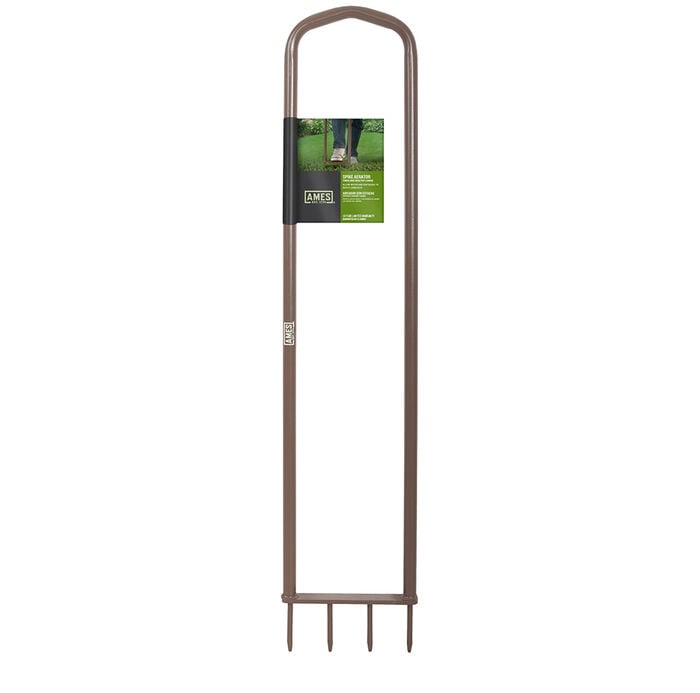
The Brinkmann 815-1400-0 Spike Aerator is a lightweight, manual tool that looks almost too simple to be effective. It is designed for small patches of lawn that get heavy foot traffic and compacted soil, such as a 300 square foot area near a patio. This review covers its performance, build quality, and value based on product specifications and independent owner feedback, without marketing fluff.
We will cover everything from real-world performance to build quality and value, and tell you exactly who should buy this tool and who should steer clear.
Performance: Does It Actually Aerate?
The short answer is yes, but with important caveats. The Brinkmann 815-1400-0 uses four steel spikes that punch holes into the soil as you push down and pull up. On sandy loam, it works beautifully—the spikes sink in easily, and coverage is quick. The holes are about 2 to 3 inches deep, which is adequate for light aeration. On compacted clay soil, performance drops significantly. Owners consistently report having to put full body weight on the tool to get the spikes to penetrate, and even then, some holes are only an inch deep. The spikes do not bend during typical use, but the resistance is notable, and repeated use on very hard soil may eventually cause them to warp.
One of the biggest frustrations is the narrow width. The Brinkmann only covers about 4 inches of ground per pass. To aerate a 10×10 foot area, you must make dozens of passes. It takes about 20 minutes to cover a 300 square foot patch, whereas an electric plug aerator would finish in under 5 minutes. For a very small lawn or a narrow strip of grass, this is manageable, but for anything larger, it becomes tedious.
Another issue is that the spikes tend to pull up clumps of soil if the ground is too wet. On a damp day, the holes are messy and leave small divots that require raking. On dry soil, the holes are cleaner but shallower. The ideal condition is slightly moist soil, which is true for most aeration tools, but the Brinkmann is less forgiving than a core aerator in this regard.
Overall, the performance is acceptable for light aeration on small, soft lawns. It will not fix severe compaction, and it will not give you the deep, consistent holes that a plug aerator provides. But if your goal is to improve water infiltration and reduce surface thatch on a small patch, it does the job.
Build Quality and Value
The Brinkmann 815-1400-0 is built with a steel frame and plastic handles. The steel is painted black, and the spikes are attached to a crossbar that connects to the handle. The handles are covered with foam grips that are comfortable enough for short sessions but start to feel slippery after about 15 minutes of use. The overall weight is very light, probably around 5 pounds, which makes it easy to carry and store. It hangs on a hook and takes up almost no space.
However, the build quality has some concerns. The plastic handle connection points feel a bit flimsy. After a few uses, owners report a slight wobble where the handle meets the spike assembly. It has not broken yet, but long-term durability is a question. The spikes themselves are made of hardened steel, but they are not replaceable. If one bends or breaks, the entire tool is essentially useless. Given the low price point, this is not surprising, but it is something to keep in mind.
As for value, the Brinkmann is one of the most affordable aerators on the market, often priced well under $30. That is a fraction of the cost of a core aerator or a rolling spike aerator. For that price, you are getting a tool that works for very small jobs and light soil. It is not a professional-grade piece of equipment, and it is not meant to be. If you only need to aerate a 100 square foot patch once a year, the value is excellent. If you plan to aerate a half acre lawn every season, you will quickly outgrow this tool and likely break it.
Who Should Buy the Brinkmann 815-1400-0?
Based on product specs and owner feedback, this aerator is best suited for a specific type of user. Here is the breakdown:
- Homeowners with very small lawns – If your grass area is less than 500 square feet, this tool is perfect. Think of a small front yard, a narrow side strip, or a garden path. The narrow width is less of a burden in these spaces.
- Renters or apartment dwellers with a tiny patch of grass – If you do not want to invest in a large, expensive aerator and you only need to treat a small area, the Brinkmann is a low-cost solution that stores easily in a closet or under a bed.
- Gardeners who need spot aeration – If you have a specific spot that gets compacted, like around a bird feeder or a frequently used gate, this tool is great for quick, targeted aeration without dragging out heavy equipment.
- Budget-conscious buyers – If you are on a tight budget and cannot justify spending $100 or more on a core aerator, the Brinkmann gets the job done for a fraction of the cost. Just keep your expectations realistic.
On the flip side, here is who should avoid this tool:
- Owners of large lawns – If your lawn is more than 1,000 square feet, the narrow width will make aeration a tedious chore that takes hours. You will be better off renting a power aerator or buying a rolling spike aerator with a wider path.
- People with heavy clay or rocky soil – The spikes will struggle to penetrate hard soil, and you risk bending them. A core aerator that removes plugs is far more effective for compaction relief.
- Anyone looking for deep aeration – The Brinkmann only penetrates about 2 to 3 inches. If your soil is compacted deeper than that, this tool will not help. You need a mechanical aerator that can reach 4 inches or more.
- Lawn care professionals or serious hobbyists – This tool is not built for frequent or heavy use. It will wear out quickly under regular, demanding conditions.
Verdict
The Brinkmann 815-1400-0 Spike Aerator is a lightweight, affordable, and easy-to-store tool that works well for small, soft lawns and spot aeration. It is not a solution for large areas, hard soil, or severe compaction. The narrow width requires many passes, and the spikes may bend if you push them into tough ground. But for the price, it is a perfectly acceptable entry-level aerator for casual use.
For small jobs where dragging out a heavy machine feels like overkill, this tool is a solid choice. For a main lawn, a core aerator is better. But for a beginner or someone with a tiny yard, the Brinkmann is a solid choice that will not break the bank. Just remember to use it on moist soil, take your time, and do not expect miracles. If you do that, this little tool will serve you well for several seasons.
In the end, the Brinkmann 815-1400-0 is a tool with a very specific niche. It fills that niche admirably. We recommend it for the right user, but encourage you to be honest about your lawn size and soil conditions before you buy. If you are in the target audience, go for it. If not, save your money and invest in something more substantial.