A leaf blower losing power is usually a clogged filter, stale fuel, a dirty carburetor, or a weak battery. Here is how to diagnose which one it is.
A leaf blower that used to run strong but now feels weak, bogs down under light load, or dies at full throttle almost always points to one of a handful of causes, and gas and battery models fail for different reasons. Working through the checklist below in order, from simplest to most involved, will usually find the problem without a trip to a repair shop.
Gas Blowers: Airflow and Fuel Restriction
Small two-stroke and four-stroke engines lose power almost exclusively from something restricting either air in or fuel in. Start with the air filter. A clogged foam or paper filter starves the engine of air, which chokes the fuel mixture and cuts power noticeably even before the engine stalls completely. Clean or replace it if it looks gray, matted, or coated in fine dust. Next, check the spark arrestor screen in the muffler, a small mesh screen that traps carbon and can clog enough to restrict exhaust flow, which has the same power-robbing effect as a blocked intake. Both parts take only a few minutes to inspect and are the most common source of a gradual power loss that develops over a season of use.
Gas Blowers: Stale Fuel and Carburetor Gum
If filters are clean and power is still down, the fuel itself is a likely suspect. Ethanol-blended gasoline left sitting for more than a month or two starts to break down and can leave a sticky varnish inside the carburetor’s small jets and passages. This gum restricts fuel flow just enough to cause hesitation, surging, or a noticeable drop in top-end power, even though the engine still starts and idles. Running the tank dry at the end of the season, using a fuel stabilizer, or switching to ethanol-free small-engine fuel prevents most of this. A carburetor that has already gummed up usually needs a cleaning kit or a professional carb rebuild to fully restore power, since the passages are too small to clear with fuel additives alone once they are clogged.
Gas Blowers: Spark Plug and Compression
A fouled spark plug, coated in black carbon or oil residue, produces a weak spark that cannot fully ignite the fuel mixture, which shows up as sluggish acceleration and a rough idle. Plugs are inexpensive and worth replacing on a seasonal schedule regardless of symptoms. If power loss persists after fresh fuel, a clean filter, and a new plug, low compression from worn piston rings is possible on an older engine, though this is far less common than the fuel and air issues above and usually points toward the end of the engine’s practical service life.
Battery Blowers: Charge, Heat, and Contacts
Cordless blowers lose power for a different set of reasons. The most obvious is a battery that is simply running low, since lithium-ion output tapers as the pack approaches empty rather than staying constant until it shuts off. Less obvious is heat: batteries and motors both throttle output when they run hot, which can happen during extended high-speed use on a warm day, and power returns once the unit cools. Dirty or corroded battery contacts between the pack and the tool housing create resistance that reduces power transfer even when the battery itself is fully charged, so wiping down the contacts on both the battery and the blower periodically is worth doing. A battery that is several years old and has been through hundreds of charge cycles will also deliver less peak power than it did when new, which is a normal capacity fade rather than a defect.
Both Types: Blocked Intake or Clogged Tube
Regardless of power source, a leaf blower can lose apparent power simply because something is restricting airflow through the housing or tube. Grass clippings, small twigs, or debris pulled into the intake screen reduce the air the fan can draw in, which lowers both CFM and MPH at the nozzle even though the motor or engine itself is fine. Check the intake grille and the full length of the tube for blockages before assuming a mechanical fault, since this is one of the fastest fixes on the list. This kind of airflow restriction is also part of why understanding how CFM and MPH work together helps explain why a blower can feel weak even when nothing internal is actually broken.
When to Consider a Replacement
If a gas blower needs a carburetor rebuild, a new fuel system, and shows signs of low compression all at once, the repair cost can approach the price of a new unit, especially on a budget-tier blower. Reliability and consistent power output are two of the biggest differentiators between entry-level and higher-tier models, which is worth factoring in when comparing options in a gas leaf blower buying guide rather than replacing the same underpowered model a second time.
How we research
We compare published manufacturer specifications, official manuals, warranty information and recurring owner feedback. Rankings are research-based unless original YardToolLab test evidence is explicitly shown on the page.
FAQs
This pattern usually points to a fuel restriction, such as a partially clogged carburetor jet or a dirty fuel filter, since the engine can idle fine on a small amount of fuel but cannot draw enough at wide open throttle.
Yes. A clogged air filter restricts the air side of the fuel mixture, which chokes combustion efficiency. It is one of the most common and easiest to fix causes of gradual power loss in small engines.
This is usually thermal throttling, where the battery or motor reduces output to avoid overheating during sustained high-speed use. Power typically returns once the unit has a few minutes to cool down.
Yes. Ethanol-blended fuel left sitting for more than a month or two can start to break down and leave gummy deposits in the carburetor, which restricts fuel flow and reduces power even if the engine still runs.
If a battery no longer holds a useful charge, drains unusually fast compared to when it was new, or the tool regains normal power immediately when swapped to a different battery, the pack itself has likely reached the end of its useful capacity.
Related guides

LIKEPAY 10 Ft Cantilever Umbrella Reviewed: Offset Shade With an 8-Rib Frame

BLACK+DECKER BEHT150 17-Inch Hedge Trimmer Reviewed for Light Yearly Trimming
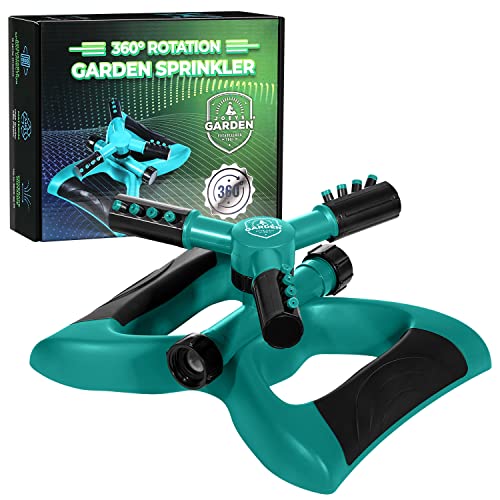
What the Joeys Garden 360 Rotating Sprinkler Does Well and Where It Falls Short
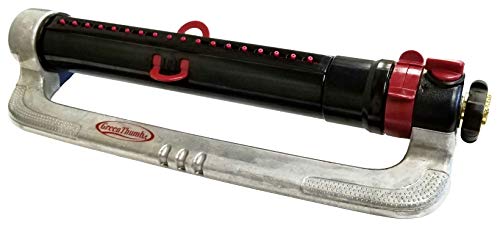
Green Thumb 4200MGT Metal Oscillating Sprinkler Reviewed for a 3900 Sq Ft Lawn

FXFOUCS 50 Ft Hybrid Garden Hose Review: Kink Resistant and Rated to a 700 PSI Burst

Real Hose Storage 4-Wheel Hose Reel Cart Review for a 250-Foot Hose

Gilmour Heavy Duty Graphite Fireman Nozzle Reviewed for 8 Spray Patterns and a Swivel Connect
