How to pick the right chainsaw bar length for your typical cutting job, from small yard cleanup to felling large trees.
Bar length is one of the most misunderstood chainsaw specs. Buyers often assume longer is simply better, but a bar that is too long for the saw’s engine or motor makes the tool heavier, harder to control, and slower to cut with, while a bar that is too short forces you to make multiple overlapping cuts on anything wide. The right answer depends entirely on the diameter of wood you cut most often, not on the biggest tree you might someday face.
Match the bar to your typical cut, not your biggest tree
A simple rule that guides work has used for decades: the bar should be about 2 inches longer than the diameter of the wood you plan to cut in a single pass. That extra length gives the tip clearance to exit the far side of the log or branch without you having to angle the saw awkwardly. If you mostly buck firewood rounds and limb branches in the 10 to 14 inch range, a 16 inch bar covers nearly everything with room to spare. If you occasionally fell trees with trunks over 20 inches, you either need a longer bar and a saw powerful enough to drive it, or you plan to cut from both sides and meet in the middle, which is a standard technique for oversized trunks.
Typical bar lengths by use case
For light homeowner work such as pruning, small tree removal, and general yard cleanup, 12 to 14 inch bars are common on compact gas and battery saws and keep the tool light and maneuverable. For general firewood processing and mid-size limbing, 16 to 18 inches is the most popular range because it balances reach with control. For felling larger trees or milling, 20 inches and up is typical, but only on saws with the engine displacement or motor power to keep chain speed up under load. Running a bar too long for the powerhead causes the chain to bog down, overheats the saw, and accelerates wear on the clutch and bar rails.
Why oversizing the bar backfires
A longer bar adds weight at the front of the saw, which increases fatigue on extended jobs and makes precise, controlled cuts harder, especially overhead or at odd angles. It also increases kickback risk because more of the bar’s tip is exposed to accidental contact with wood or debris during work. Most manufacturers publish a maximum bar length rating for each saw model specifically to prevent this mismatch, so checking your saw’s manual before buying a longer aftermarket bar is worth the five minutes it takes.
Bar length also affects chain and oil requirements
Every additional inch of bar means more chain length, more drive links, and more surface area the oiler has to lubricate. If you upsize your bar, confirm the saw’s oil reservoir and pump output can keep pace, and budget for a chain matched to the new length. Getting the pitch and gauge right matters just as much as the length itself; if you are unsure how those measurements work together, see our guide to chainsaw pitch and gauge before ordering a new bar and chain combo.
Practical buying guidance
If you are shopping for a first saw and are not sure which length fits your yard, start by listing the three or four heaviest cutting jobs you expect in a normal year rather than the rare worst case. Most residential properties are well served by a 14 to 16 inch bar paired with a mid-power gas or battery saw. Property owners managing a wooded lot or regular firewood supply usually settle on 16 to 18 inches. For a closer look at saws sized specifically for smaller-diameter work, this roundup of chainsaws built for small trees breaks down bar and power combinations that suit that range well.
One more consideration: bar length interacts with chain tension and how the chain sits in the guide groove over time. A longer bar has more room for the chain to sag or run unevenly if tension is not checked regularly, so if you upsize, get in the habit of checking tension before every session rather than only when the chain looks obviously loose.
Bar length and cutting technique
Even with the correct bar length for your typical job, technique affects how well that length performs. On a longer bar, keep the tip away from unnecessary contact with the ground, rocks, or nearby branches, since more exposed bar means more surface area that can catch on something unexpectedly. On a shorter bar used for wood near its diameter limit, plan cuts so the tip clears the far side cleanly rather than forcing the saw through at an angle, which stresses the bar and chain and produces a rougher cut. If you regularly find yourself repositioning the saw partway through a cut because the bar is running out of reach, that is usually a sign the bar is undersized for the work and it may be worth stepping up to the next common length rather than continuing to work around the shortfall.
Finally, remember that bar length is only half of the fit equation. The bar’s pitch and gauge must also match the chain and sprocket exactly, and a new bar of a different length almost always requires a new chain sized to match, along with confirming the sprocket is compatible with the chain’s pitch. Skipping this check is the most common reason a newly purchased longer bar does not perform as expected right out of the box.
How we research
We compare published manufacturer specifications, official manuals, warranty information and recurring owner feedback. Rankings are research-based unless original YardToolLab test evidence is explicitly shown on the page.
FAQs
No. Bar length does not add power, it only extends reach. Power comes from the engine or motor, and a bar that is too long for that powerhead actually slows chain speed and strains the saw, making cuts slower and less controlled rather than more capable.
Only up to the maximum length listed in the manufacturer's manual for that model. Exceeding it overloads the clutch and oiler, increases kickback exposure, and can void the warranty. Check the spec sheet before buying an aftermarket bar.
Most firewood processing on typical residential rounds is handled comfortably by a 16 to 18 inch bar. It covers common trunk and branch diameters without the extra weight and reduced control that comes with longer bars.
A shorter bar reduces exposed tip length, which lowers one source of kickback risk, and it is lighter and easier to control. But it is only safer if it is also appropriately sized for the wood you are cutting; forcing an undersized bar through oversized logs creates its own hazards.
Related guides

LIKEPAY 10 Ft Cantilever Umbrella Reviewed: Offset Shade With an 8-Rib Frame

BLACK+DECKER BEHT150 17-Inch Hedge Trimmer Reviewed for Light Yearly Trimming
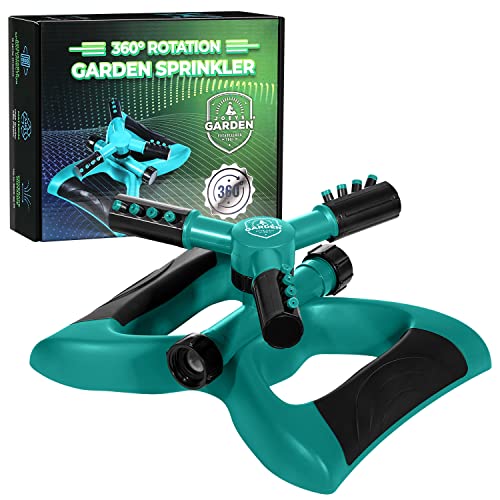
What the Joeys Garden 360 Rotating Sprinkler Does Well and Where It Falls Short
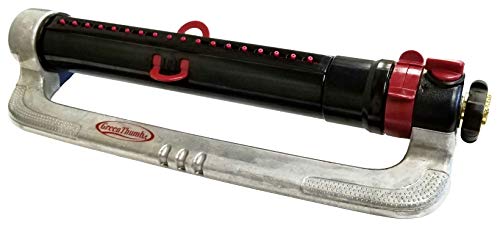
Green Thumb 4200MGT Metal Oscillating Sprinkler Reviewed for a 3900 Sq Ft Lawn

FXFOUCS 50 Ft Hybrid Garden Hose Review: Kink Resistant and Rated to a 700 PSI Burst

Real Hose Storage 4-Wheel Hose Reel Cart Review for a 250-Foot Hose

Gilmour Heavy Duty Graphite Fireman Nozzle Reviewed for 8 Spray Patterns and a Swivel Connect
