Deck size determines how wide a swath a mower cuts per pass. See common deck sizes for walk behind and riding mowers and how to choose the right one.
Deck size refers to the width of the housing that covers the blade or blades, and it is the single biggest factor in how quickly a mower can cover a given area, since a wider deck cuts a wider strip with every pass. Choosing the right deck size is mostly a tradeoff between mowing speed on open ground and maneuverability around obstacles and tight spaces.
Common Deck Sizes by Mower Type
Walk behind push and self propelled mowers most commonly come in 20 to 22 inch decks, which suit small to medium residential yards and fit through standard gates and between tightly spaced obstacles. Riding mowers and smaller lawn tractors typically start around 30 to 42 inches, aimed at yards where walking behind a mower for the full area would take too long but the property still has enough obstacles that a very wide deck would be impractical. Zero turn mowers and larger lawn tractors commonly use 42 to 60 inch decks, built for open yards of an acre or more where minimizing the number of passes matters most. Commercial mowers frequently exceed 60 inches, sometimes reaching 72 inches or beyond, for large properties mowed professionally on a tight schedule.
Why Actual Cutting Width Is Slightly Less Than Stated
The number used to describe a deck, such as a 21 inch deck, refers to the housing width or the blade’s swept diameter, not necessarily the precise strip of grass that ends up cut evenly. Blade tips do not reach the very inside edge of the deck housing, and cutting quality tends to be slightly less consistent at the outer few inches of the swath compared with the center. This is part of why overlapping each mowing pass by two to three inches is standard practice, and why mowers occasionally leave thin uncut strips along pass boundaries if overlap is skipped, a problem covered in why lawn mowers leave strips of uncut grass.
Single Blade Versus Multi Blade Decks
Decks up to about 30 inches typically use a single blade, since one blade of a reasonable diameter can sweep the full width effectively. Wider decks generally use two or three overlapping blades, each covering a portion of the total width, because a single blade long enough to span a 50 or 60 inch deck would be impractical to balance and would place excessive stress on the spindle. Multi blade decks require each blade to be properly timed relative to the others and typically need more careful balancing and more frequent inspection, since a problem with any one blade or spindle affects a proportionally larger share of the total cutting width.
Deck Size and Maneuverability
A wider deck reduces the number of passes needed to cover open lawn, but it also increases the mower’s overall footprint and turning radius, particularly on non zero turn machines, making tight corners, narrow side yards, and densely planted beds harder to navigate. Zero turn mowers largely solve the turning radius problem even with a wide deck, since each rear wheel can be driven independently, but the deck width itself still limits how narrow a gap the mower can physically fit through. Yards with a lot of obstacles, tight side yards, or gates typically do better with a narrower deck even if it means more total passes, while open yards with few obstacles benefit more from deck width.
Matching Deck Size to Yard Size
As a rough guide, lawns under about a quarter acre generally do fine with a 20 to 22 inch walk behind deck, half acre to one acre lawns often benefit from a 30 to 42 inch riding mower or wide walk behind, and anything beyond an acre typically justifies a 42 inch or larger deck to keep total mowing time reasonable. Smaller yards with narrow access points, covered in our best lawn mower for small yards guide, are usually better served by a narrower deck regardless of total square footage, since access constraints matter more than raw area in those cases. Larger open properties are covered from the opposite angle in our best lawn mower for large yard guide.
Deck Height Adjustment
Separate from deck width, deck height adjustment controls how far off the ground the blade sits, which sets the cutting height discussed in other mowing height guides. Most decks adjust through a range of roughly 1 to 4 inches, with the specific range varying by model, and it is worth checking that range against the recommended cutting height for your grass type before assuming any mower deck can hit the target height needed for the lawn.
How we research
We compare published manufacturer specifications, official manuals, warranty information and recurring owner feedback. Rankings are research-based unless original YardToolLab test evidence is explicitly shown on the page.
FAQs
Not for every yard. A wider deck cuts more grass per pass and speeds up mowing on open ground, but it also increases the mower's footprint, making tight corners, narrow side yards, and gates harder to navigate, so deck size should match the yard's layout, not just its total area.
A single blade long enough to span a 50 or 60 inch deck would be difficult to balance and would place excessive stress on its spindle. Splitting the width across two or three overlapping blades keeps each blade a manageable size while still covering the full deck width.
Indirectly. A wider deck processes more grass volume per pass, which can increase the load on the engine or motor in thick conditions. Deck size interacts with engine power and blade sharpness rather than determining cutting performance on its own.
A 20 to 22 inch walk behind deck is generally sufficient for a quarter acre lawn and offers better maneuverability around typical residential obstacles like flower beds, trees, and fences than a wider riding mower deck would provide.
Related guides

LIKEPAY 10 Ft Cantilever Umbrella Reviewed: Offset Shade With an 8-Rib Frame

BLACK+DECKER BEHT150 17-Inch Hedge Trimmer Reviewed for Light Yearly Trimming
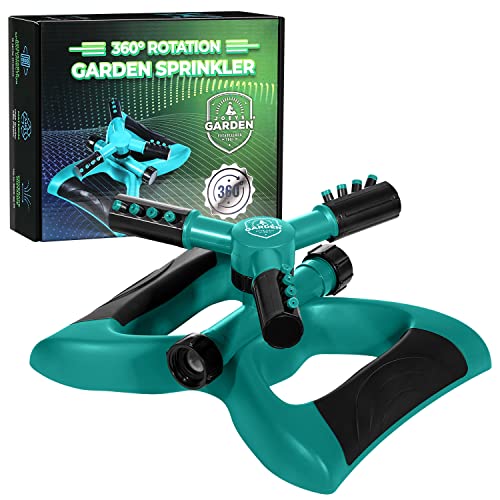
What the Joeys Garden 360 Rotating Sprinkler Does Well and Where It Falls Short
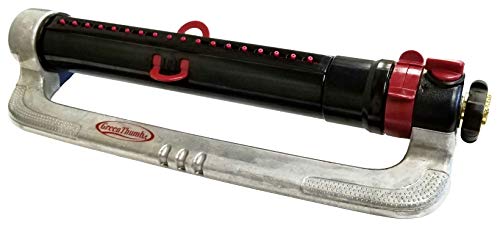
Green Thumb 4200MGT Metal Oscillating Sprinkler Reviewed for a 3900 Sq Ft Lawn

FXFOUCS 50 Ft Hybrid Garden Hose Review: Kink Resistant and Rated to a 700 PSI Burst

Real Hose Storage 4-Wheel Hose Reel Cart Review for a 250-Foot Hose

Gilmour Heavy Duty Graphite Fireman Nozzle Reviewed for 8 Spray Patterns and a Swivel Connect
