Storing a battery leaf blower for winter means the right charge level, temperature, and a clean intake. Here is how to protect the battery and the motor.
Storing a battery leaf blower correctly for winter mostly comes down to protecting the battery, since the lithium-ion cells inside are more sensitive to storage conditions than the motor housing or plastic body. Getting the charge level, temperature, and cleaning right before a long off-season adds meaningful life to the battery and avoids the disappointment of pulling out a dead or degraded pack next fall.
Charge Level Matters More Than People Expect
Lithium-ion batteries, the same chemistry used in nearly all modern cordless leaf blowers, degrade faster when stored at either extreme, fully charged or fully drained, for extended periods. The ideal storage range is roughly 40 to 80 percent charge, which keeps the cells in a stable chemical state without the added stress of being held at maximum voltage or the risk of dropping into an over-discharged state during months of natural self-discharge. If your battery is fully charged after a final fall use, run the blower briefly to bring it down closer to the middle of that range before setting it aside. If it is nearly empty, give it a partial charge rather than storing it flat.
Temperature Control During Storage
Extreme cold and extreme heat both stress lithium-ion cells, even when the battery is not in use. An unheated garage or shed that swings well below freezing in winter is not ideal for long-term battery storage, since sustained cold can permanently reduce capacity over time, separate from the temporary performance dip batteries show during actual cold-weather use. A moderate indoor space, such as a closet, basement, or heated garage, roughly in the 50 to 70 degree Fahrenheit range, is a better storage environment. This same temperature sensitivity is part of why cordless leaf blower battery runtime drops in cold weather during active use, and the underlying chemistry is the same reason storage temperature matters just as much when the tool is sitting idle.
Clean the Blower Before Storing It
Leaf and grass debris left in the intake screen, tube, or housing over winter can trap moisture, which encourages corrosion on metal fasteners and connectors. Clear out any visible debris, wipe down the housing, and check the intake grille for anything lodged in the mesh. Pay particular attention to the battery contacts on both the pack and the tool itself, since a light film of dust or oxidation here can cause connection issues when the tool comes back out of storage. A dry cloth or a small brush is usually enough; avoid spraying water directly into the motor housing or battery compartment.
Where to Physically Store the Battery
Keep the battery in a dry location away from direct sunlight, and ideally separate from the blower itself if storage space allows, since some manufacturers recommend removing the battery from the tool entirely for long-term storage to avoid any parasitic drain from the tool’s internal electronics. Avoid storing batteries directly on concrete floors in unheated spaces, since concrete can hold cold more than surrounding air, and a shelf or elevated surface is a simple way to avoid this. If you own multiple battery-powered tools on the same platform, this is also a good time to check whether all your packs are within the recommended charge range rather than assuming they are fine because they were topped off at the end of the season. Proper storage habits matter even more for the larger, higher-capacity packs used in units covered in a cordless backpack leaf blower guide, since those batteries represent a bigger investment and are more costly to replace than a small handheld pack.
Storing the Blower Housing Itself
While the battery deserves the most attention, the blower body benefits from a few simple steps too. Store it somewhere dry to avoid moisture buildup in the housing over winter, and keep it off a damp basement or shed floor where condensation is more likely to collect. If the blower has a removable tube or nozzle attachment, detaching it for storage reduces strain on the connection points and makes the whole unit more compact to store on a shelf. A light coating of silicone spray on any exposed metal fasteners can help prevent surface rust in a humid storage environment, though this is optional and mainly relevant in particularly damp climates.
Checking the Battery Mid Winter
For storage lasting several months, it is worth checking the battery once partway through winter, both to confirm the charge level has not drifted too low from natural self-discharge and to give it a brief top-up if needed. This single mid-season check is a small effort that meaningfully reduces the chance of a battery being damaged or significantly degraded by the time spring cleanup season begins.
How we research
We compare published manufacturer specifications, official manuals, warranty information and recurring owner feedback. Rankings are research-based unless original YardToolLab test evidence is explicitly shown on the page.
FAQs
Roughly 40 to 80 percent charge is ideal. Storing lithium-ion batteries fully charged or fully drained for extended periods puts more stress on the cells and can reduce their long-term capacity.
It is not ideal. Sustained cold temperatures can permanently reduce battery capacity over time. A moderate indoor space in the 50 to 70 degree Fahrenheit range is a better storage environment for the battery specifically.
Many manufacturers recommend this, since it avoids any small parasitic drain from the tool's internal electronics and makes it easier to store the battery in a more temperature-controlled location separate from the tool housing.
For storage lasting several months, a single mid-winter check and partial top-up if needed helps offset natural self-discharge and reduces the risk of the battery dropping into an over-discharged state by spring.
This is usually a combination of natural self-discharge and, if stored in a cold or unheated space, some permanent capacity loss from the cold. Proper charge level and temperature during storage minimize this but do not eliminate normal battery aging entirely.
Related guides

LIKEPAY 10 Ft Cantilever Umbrella Reviewed: Offset Shade With an 8-Rib Frame

BLACK+DECKER BEHT150 17-Inch Hedge Trimmer Reviewed for Light Yearly Trimming
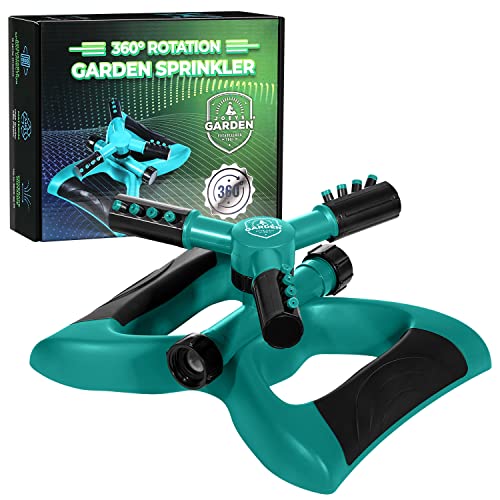
What the Joeys Garden 360 Rotating Sprinkler Does Well and Where It Falls Short
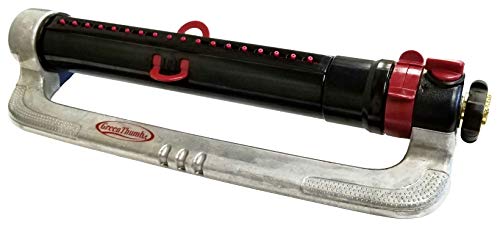
Green Thumb 4200MGT Metal Oscillating Sprinkler Reviewed for a 3900 Sq Ft Lawn

FXFOUCS 50 Ft Hybrid Garden Hose Review: Kink Resistant and Rated to a 700 PSI Burst

Real Hose Storage 4-Wheel Hose Reel Cart Review for a 250-Foot Hose

Gilmour Heavy Duty Graphite Fireman Nozzle Reviewed for 8 Spray Patterns and a Swivel Connect
