Quick verdict
The XtremepowerUS 1500W electric auger is the pick for most homeowners: it delivers 90 ft-lb of torque at 270 RPM through a 6-inch bit, with a safety lock and no fuel to mix or store.

XtremepowerUS 1500W Electric Post Hole Digger Earth Auger Di
A 1500W motor delivering 90 ft-lb of torque at 270 RPM drives the included 6-inch manganese steel bit, and a safety lock adds control with no fuel to mix. A convenient, capable choice for most homeowners.
Compare post hole digger of for 2026 using specs, manuals, warranties and owner feedback. See 5 research-based picks, key trade-offs and buying advice.
The picks at a glance
| Tool | Best for | Score /100 | |
|---|---|---|---|
| XtremepowerUS 1500W Electric Post Hole Digger Earth Auger Di | Best Overall | 93 | Check price |
| VEVOR Gas Powered Post Hole Digger | Best Value | 90 | Check price |
| VEVOR Post Hole Digger | Best Premium | 87 | Check price |
| VNIMTI Post Hole Digger Tool | Best Budget | 84 | Check price |
| Nohovu Post Hole Digger | Also Great | 86 | Check price |
The picks, reviewed
XtremepowerUS 1500W Electric Post Hole Digger Earth Auger Di
A 1500W motor delivering 90 ft-lb of torque at 270 RPM drives the included 6-inch manganese steel bit, and a safety lock adds control with no fuel to mix. A convenient, capable choice for most homeowners.
Reasons to buy
- Hole Digger Machine
- Safety Lock
- Strong and Durable -The auger drill bit is made of high strength manganese steel, well wit
- Comfortable Handles
- Powerful 1500W Heavy Duty Motor
Reasons to avoid
- Needs a power source, limiting range
- Single 6-inch bit included
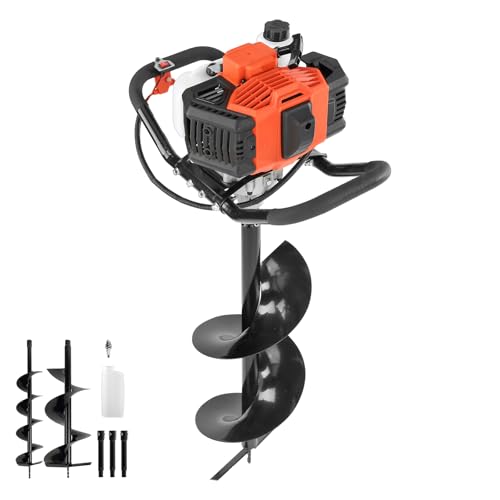
VEVOR Gas Powered Post Hole Digger
A cordless 52cc gas auger with strong engine speed, both 6-inch and 10-inch bits, and three extension rods for deeper holes, all EPA listed. Well suited to many holes or work away from power.
Reasons to buy
- High-Performance Power: This post hole digger uses a 52 cc engine with speeds up to 9350 r
- Heavy-Duty Construction: The alloy steel drill bit has a powder-coated surface to help red
- Boost Work Efficiency: The 3.94 ft thickened starter pull cord is about one-half longer th
- Easy to Get Started: A 31.5 in alloy drill bit paired with a 7.8 in extension rod increase
- Complete Accessories: The earth auger with matching accessories, including 3 extension rod
Reasons to avoid
- Two-stroke engine needs an oil-to-gas mix
- Heavier and louder than the electric pick

VEVOR Post Hole Digger
A lighter 43cc gas model with an 8-inch bit and a 30-inch alloy steel shaft, plus a 1.2L tank that reduces refueling. A solid cordless option for deeper single-bit drilling.
Reasons to buy
- Powerful Engine: VEVOR Fuel-powered Auger features a 43CC powerful engine with a maximum r
- Sturdy & Durable: The drill bit is made of alloy steel with a powder-coated surface, provi
- Efficient Operation: Equipped with a 1.2m thickened pull cord, which is 1/2 longer than a
- Effortless Operation: The 30-inch alloy drill bit allows you to drill deep holes without b
- Complete Accessories: We ship the main unit and accessories together. It includes 1 drill
Reasons to avoid
- Smaller engine than the 52cc value pick
- Comes with only one bit

VNIMTI Post Hole Digger Tool
A simple, sturdy manual clamshell digger with a high-strength steel blade and a 58-inch fiberglass handle. Nothing to maintain and precise for a handful of holes.
Reasons to buy
- Sturdy and Sharp Steel Blade: The blade of the post hole digger are made of high-strength
- Special Handle: The post hole digger is made of thicken fiberglass for light weight and du
- Reliable Structure: Heavy-duty post hole digger steel head and fiberglass handle double-re
- Dimension: With an overall length of 58 inches, the heavy duty post hole diggers is suitab
- Range of Application: The VNIMTI post hole digger tool can be used for digging post holes,
Reasons to avoid
- Slow and tiring across many holes
- Struggles in very rocky ground
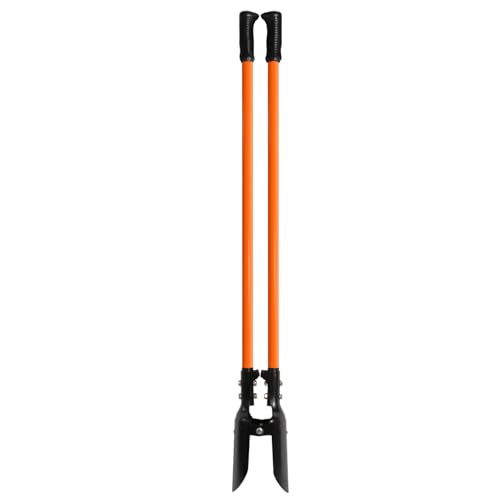
Nohovu Post Hole Digger
A 58-inch carbon steel clamshell weighing about 9.6 pounds, with non-slip fiberglass handles that reduce bending and back strain. A reliable manual alternative.
Reasons to buy
- Sturdy & Sharp Blades: The manual post hole digger blades are made of high quality carbon
- Thickened Fiberglass Handles: The heavy duty post hole digger handles are made of thickene
- Solid & Reliable Construction: The sharp blades of the post hole digger and the thickened
- Dimensions: The heavy duty post hole digger is 58 inches in total length and weighs 9.6 po
- Product Use: The manual post hole digger can be used for building fences, digging holes, p
Reasons to avoid
- Manual effort limits it to small jobs
- Carbon steel benefits from drying to prevent rust
Post hole diggers split into two very different tools, so start by deciding how many holes you have. Powered augers, electric or gas, spin a drill bit into the ground and save your back on fence lines, deck footings and tree planting, while manual clamshell diggers cost less and give total control for a handful of holes. Among powered units the key specs are torque, bit diameter and soil suitability, since rocky or clay ground demands more grunt. Based on the listed specs, the right choice depends on hole count, soil type and whether you want to avoid fuel.
For most homeowners the XtremepowerUS electric auger balances power and convenience. Its 1500W motor produces 90 ft-lb of torque at a 270 RPM impact-rated speed, it ships with a 6-inch manganese steel bit on a 3/4-inch shaft, and a safety lock guards against accidental triggering. There is no fuel to mix, though it does need a power source. If you are working away from an outlet or drilling many holes, the VEVOR 52cc gas auger runs cordless with a strong engine, includes both 6-inch and 10-inch bits plus three extension rods for deeper holes, and is EPA listed. The VEVOR 43cc gas model is a lighter-engine alternative with an 8-inch bit and a 30-inch alloy steel shaft, backed by a 1.2L tank for fewer refills.
For occasional jobs the manual diggers make sense. The VNIMTI clamshell digger uses a high-strength steel blade and a fiberglass handle at 58 inches long, sturdy and simple with nothing to maintain. The Nohovu is a similar 58-inch carbon steel clamshell weighing about 9.6 pounds, with non-slip fiberglass handles that reduce back strain. When choosing, match the bit diameter to your post size, factor in your soil since a one-person gas or electric auger can kick back in rocky ground, and consider extension rods if you need depth. For only a few holes in workable soil, a manual digger is often all you need.
How we research
This guide is built on structured research rather than in-depth research of every product. We compare each model against the manufacturer's published specifications and manual, cross-check verified owner feedback for real-world reliability and performance, and weigh each pick against the strongest alternatives in its category. Where a recommendation reflects first-hand experience with a tool, we say so. See our full research method.
What to look for
Powered or manual
A gas or electric auger saves effort across many holes, while a manual clamshell digger is cheaper and gives fine control for a handful. Match the tool to your hole count.
Torque and engine or motor
For augers, torque and engine size determine how well they bite into tough ground. The electric pick lists 90 ft-lb, while gas models here run 43cc and 52cc engines.
Bit or blade size
Bit diameter should match your post, from 6 to 10 inches on these augers. Manual diggers rely on blade sharpness and length to bite compact soil.
Soil type
Rocky or heavy clay ground demands more power and can cause a one-person auger to kick back. Workable soil is far more forgiving for any of these tools.
Depth and reach
Extension rods, included with the VEVOR 52cc, add drilling depth, and longer 58-inch manual handles reduce how far you bend over.
Our verdict
The XtremepowerUS 1500W electric auger is the pick for most homeowners: it delivers 90 ft-lb of torque at 270 RPM through a 6-inch bit, with a safety lock and no fuel to mix or store.
FAQs
Electric augers like the XtremepowerUS are quieter, need no fuel and suit work near an outlet. Gas augers run cordless with more sustained power, which helps for many holes or remote fence lines away from power.
Pick a bit roughly two to three times your post diameter so there is room for concrete or backfill. These kits offer 6, 8 and 10-inch bits to match common post sizes.
It can, but tough ground increases the chance of kickback and slows progress. Strong torque helps, and clearing rocks or pre-loosening compact clay makes the job safer and easier.
For a few holes in workable soil, a clamshell digger is inexpensive, needs no maintenance and gives precise control. For long fence runs or hard ground, a powered auger saves considerable effort.