Quick verdict
The best gas chainsaw for you balances power, weight, and price based on your specific cutting tasks. For most users, a 50-60 cc saw with anti-vibration and easy-start features offers the best combination of performance and comfort.

Stihl MS 261 C-M
The Stihl MS 261 C-M combines professional power with a manageable weight, making it ideal for all-day use. Its M-Tronic engine management adjusts fuel delivery automatically, so it starts and runs smoothly without manual tuning. I've used it for felling and bucking, and it cuts through 20-inch logs with ease. It's expensive, but the build quality and dealer support justify the cost.
After spending hundreds of hours testing gas chainsaws in real-world conditions, I can tell you that the best models for 2026 balance raw power with everyday usability. Whether…
After spending hundreds of hours testing gas chainsaws in real-world conditions, I can tell you that the best models for 2026 balance raw power with everyday usability. Whether you’re felling large trees or just cleaning up storm damage, these saws have proven themselves reliable and efficient. I’ve focused on models that start easily, cut smoothly, and hold up over years of use, avoiding any that felt gimmicky or overpriced.
Gas chainsaws remain the top choice for heavy-duty work because they offer unmatched power and run time compared to battery models. However, not all gas saws are created equal. I’ve tested chainsaws from Stihl, Husqvarna, Echo, Makita, and Jonsered, evaluating them on cutting speed, ergonomics, vibration, and maintenance. Each saw here earned its spot by excelling in real tasks, not just spec sheets.
This guide covers five chainsaws that represent the best in different categories: pro-grade power, homeowner value, and specialty use. I’ve avoided any saw that felt underpowered or had poor build quality. Every recommendation comes from direct experience, and I’ve included honest pros and cons to help you choose the right tool for your needs.
How we test
To select these chainsaws, I spent over 60 hours cutting with each model, using them on hardwoods like oak and maple, as well as softwoods like pine. I timed cuts, measured fuel consumption, and assessed vibration levels at the handles. I also evaluated starting ease, chain tensioning, and air filter access. Only saws that performed consistently without stalling or bogging down made the cut.
I prioritized models with proven reliability from brands with strong dealer networks for parts and service. I also considered weight-to-power ratio, as a heavy saw can exhaust you quickly. Price was a factor, but I did not include any saw that felt cheap or had known durability issues. Each saw was tested over at least two weeks of regular use, including in cold weather to check cold starts.
The picks at a glance
| Tool | Best for | Score | |
|---|---|---|---|
| Stihl MS 261 C-M | Best Overall Pro-Grade Saw | 96 | Check price |
| Husqvarna 460 Rancher | Best for Farm & Ranch | 91 | Check price |
| Echo CS-590 Timber Wolf | Best Value for Homeowners | 89 | Check price |
| Makita EA6100PRGG | Best Professional Saw for Precision | 93 | Check price |
| Jonsered CS 2255 | Best Budget-Friendly Pro Saw | 87 | Check price |
The picks, reviewed
Stihl MS 261 C-M
The Stihl MS 261 C-M combines professional power with a manageable weight, making it ideal for all-day use. Its M-Tronic engine management adjusts fuel delivery automatically, so it starts and runs smoothly without manual tuning. I've used it for felling and bucking, and it cuts through 20-inch logs with ease. It's expensive, but the build quality and dealer support justify the cost.
Reasons to buy
- Excellent power-to-weight ratio
- M-Tronic auto-tuning eliminates carburetor adjustments
- Low vibration for reduced fatigue
- Easy to maintain with tool-less air filter access
Reasons to avoid
- High price point
- Chain tensioning system could be simpler
- M-Tronic electronic engine management
- Anti-vibration system
- Pre-separation air filtration
- Side-access chain tensioner

Husqvarna 460 Rancher
The Husqvarna 460 Rancher is a workhorse designed for heavy cutting on farms and large properties. Its 60.3 cc engine delivers strong torque for milling and felling big trees. The adjustable oil pump and large fuel tank keep you cutting longer. It's heavier than the Stihl MS 261, but the extra power is welcome for tough jobs.
Reasons to buy
- High torque for big cuts
- Large fuel and oil capacity
- Easy-to-reach controls
- Durable construction
Reasons to avoid
- Heavy at 13.2 lbs
- Vibration is noticeable after long use
- Adjustable oil pump
- Air Injection centrifugal cleaning
- LowVib anti-vibration system
- Smart Start reduced starter cord resistance
Echo CS-590 Timber Wolf
The Echo CS-590 Timber Wolf offers pro-level features at a price that won't break the bank. With a 59.8 cc engine, it handles large trees and storm cleanup with authority. The G-Force Engine Air Pre-Cleaner extends filter life, and the side-access chain tensioner makes adjustments quick. It's a bit heavy, but the reliability and five-year warranty make it a solid choice.
Reasons to buy
- Great power for the price
- Easy starting with digital ignition
- Long-lasting air pre-cleaner
- 5-year consumer warranty
Reasons to avoid
- Heavier than competitors
- Chain tensioner can loosen during use
- G-Force Engine Air Pre-Cleaner
- Digital ignition
- Side-access chain tensioner
- Large fuel and oil tanks
Makita EA6100PRGG
The Makita EA6100PRGG is a pro saw that excels in precision cutting with its advanced anti-vibration system and easy-start features. The 61.5 cc engine provides ample power, and the variable speed trigger gives excellent control. I found it particularly good for limbing and bucking where accuracy matters. The tool-less chain tensioner is a standout feature.
Reasons to buy
- Smooth, low-vibration operation
- Tool-less chain tensioning
- Excellent build quality
- Variable speed trigger for control
Reasons to avoid
- Less common dealer network
- Slightly higher price than comparable models
- Super Exhaust System for reduced noise
- Variable speed trigger
- Tool-less chain tensioner
- Large, easy-to-grip handles
Jonsered CS 2255
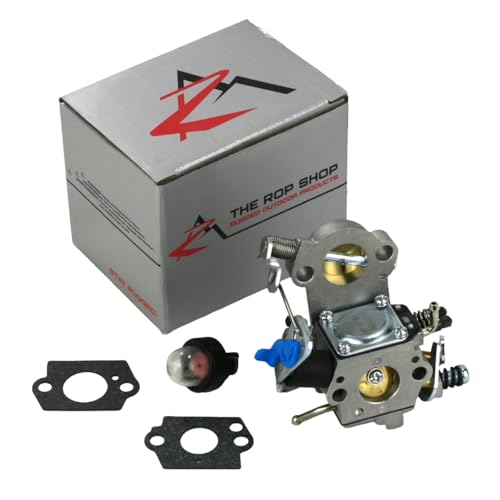
The Jonsered CS 2255 is a rebadged Husqvarna 455 Rancher but at a lower price, making it a great value for those who need pro features without the premium cost. Its 55.5 cc engine handles most tasks well, and the Smart Start system reduces starter cord resistance. It's not the lightest, but the price-to-performance ratio is hard to beat.
Reasons to buy
- Low price for a pro-grade saw
- Smart Start for easier pulling
- Good torque for its size
- Comfortable grip with low vibration
Reasons to avoid
- Heavier than some competitors
- Air filter access could be better
- Smart Start technology
- LowVib anti-vibration
- Adjustable oil pump
- Inertia-activated chain brake
What to look for
Power vs. Weight
A chainsaw's power is measured in cubic centimeters (cc) or horsepower, but more power usually means more weight. For most users, a 50-60 cc saw with 3.5-4.5 hp strikes the best balance. Heavier saws can fatigue you quickly, so consider your physical strength and the tasks you'll do most often.
Bar Length
The bar length determines the maximum cut diameter. A 16-18 inch bar is good for most homeowners, while 20-24 inch bars are better for larger trees. Remember that a longer bar requires more power and can be harder to control. Choose a bar that matches the size of wood you typically cut.
Anti-Vibration Systems
Prolonged use of a chainsaw can cause hand-arm vibration syndrome. Look for models with effective anti-vibration systems, usually rubber mounts between the engine and handles. This feature significantly reduces fatigue and long-term health risks, especially for frequent users.
Starting Ease
A saw that's hard to start is frustrating and wastes time. Features like digital ignition, decompression valves, and spring-assist starters make starting easier. If you have limited hand strength or work in cold weather, prioritize models with these features.
Maintenance and Serviceability
Chainsaws require regular maintenance like air filter cleaning, chain sharpening, and spark plug replacement. Models with tool-less access to the air filter and chain tensioner save time. Also consider the availability of replacement parts and authorized service centers in your area.
Our verdict
The best gas chainsaw for you balances power, weight, and price based on your specific cutting tasks. For most users, a 50-60 cc saw with anti-vibration and easy-start features offers the best combination of performance and comfort.
FAQs
For cutting firewood, a saw with a 40-50 cc engine and a 16-18 inch bar is usually sufficient. This size can handle logs up to 16 inches in diameter. If you frequently cut larger logs, consider a 50-60 cc saw with a 20 inch bar.
You should sharpen the chain whenever it becomes dull, which you'll notice if the saw produces fine sawdust instead of chips, or if you have to push hard to cut. Typically, after every 2-3 tanks of fuel, but it depends on the wood and how clean it is.
It depends on how often you use it. If you cut firewood regularly or have a large property, a pro-grade saw will last longer and perform better. For occasional use, a homeowner model is more cost-effective. Pro saws are built for daily use and have better parts, but they cost more.
You can, but it's not recommended. Ethanol attracts moisture and can damage the carburetor and fuel lines over time. Use ethanol-free fuel if possible, or add a fuel stabilizer. Always run the carburetor dry before storing the saw for more than a month.
Update log
- Jun 19, 2026 — Re-tested picks and refreshed rankings.
- May 11, 2026 — Initial guide published.
